


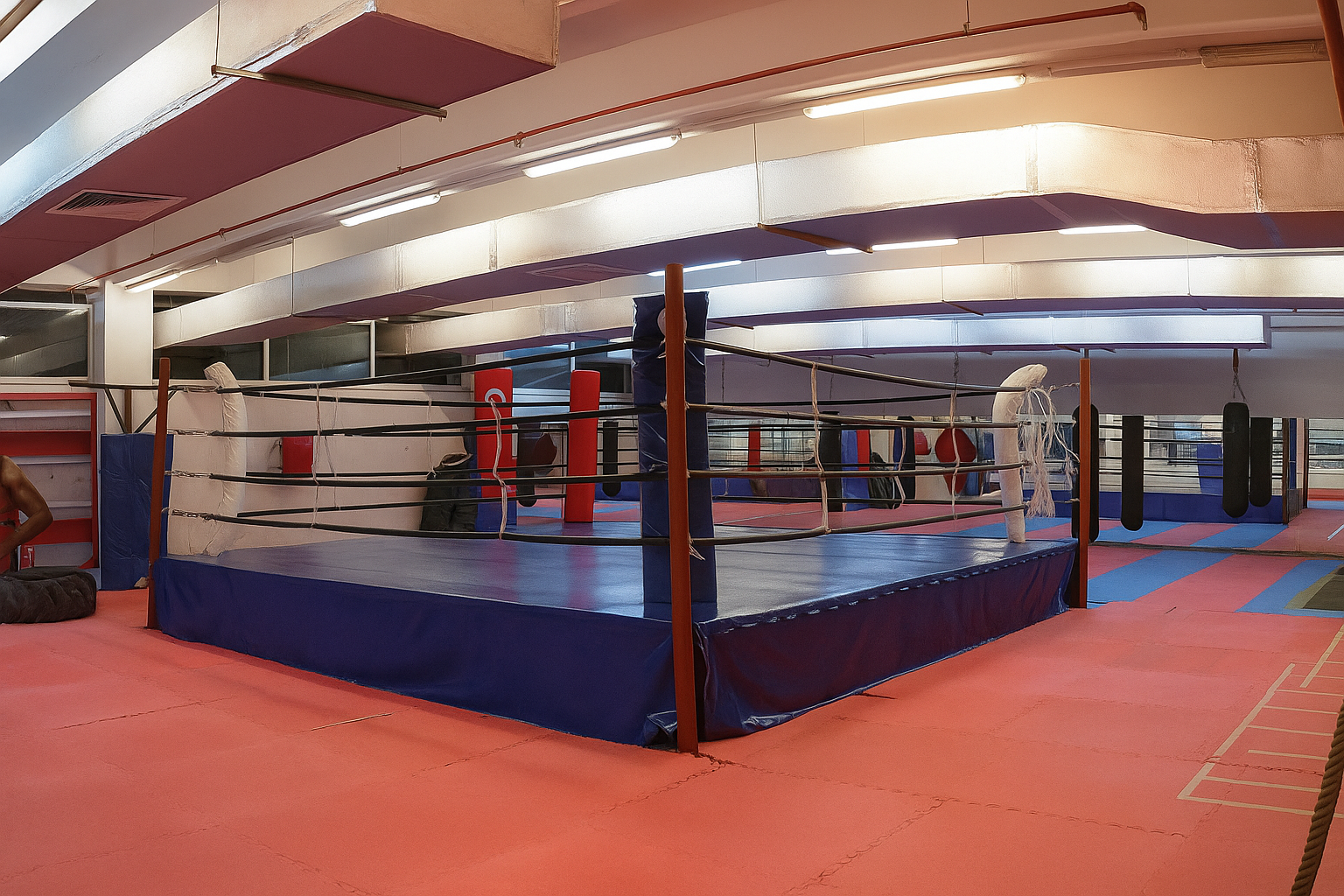
Mustafa Dağıstanlı Spor Salonu
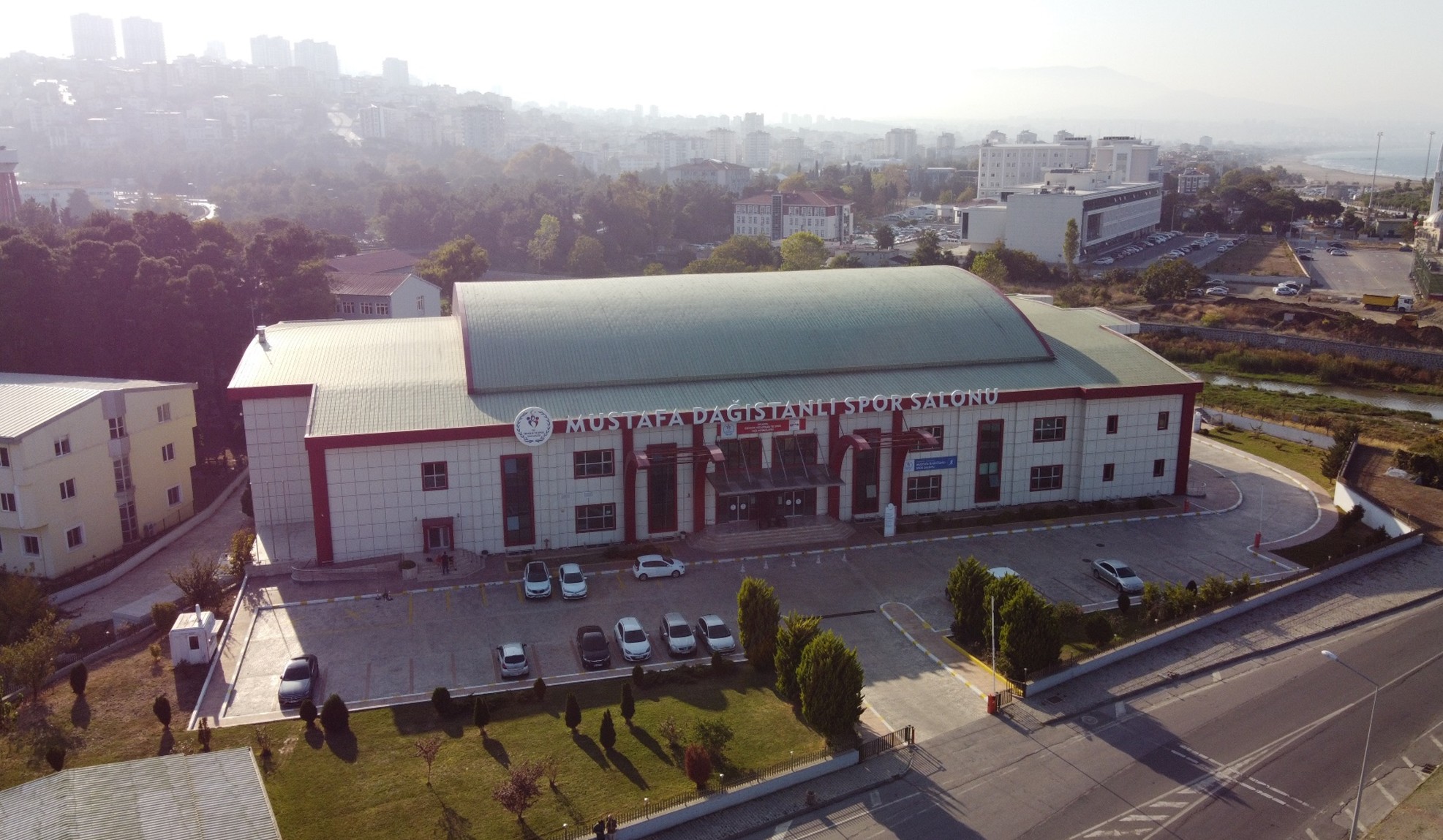
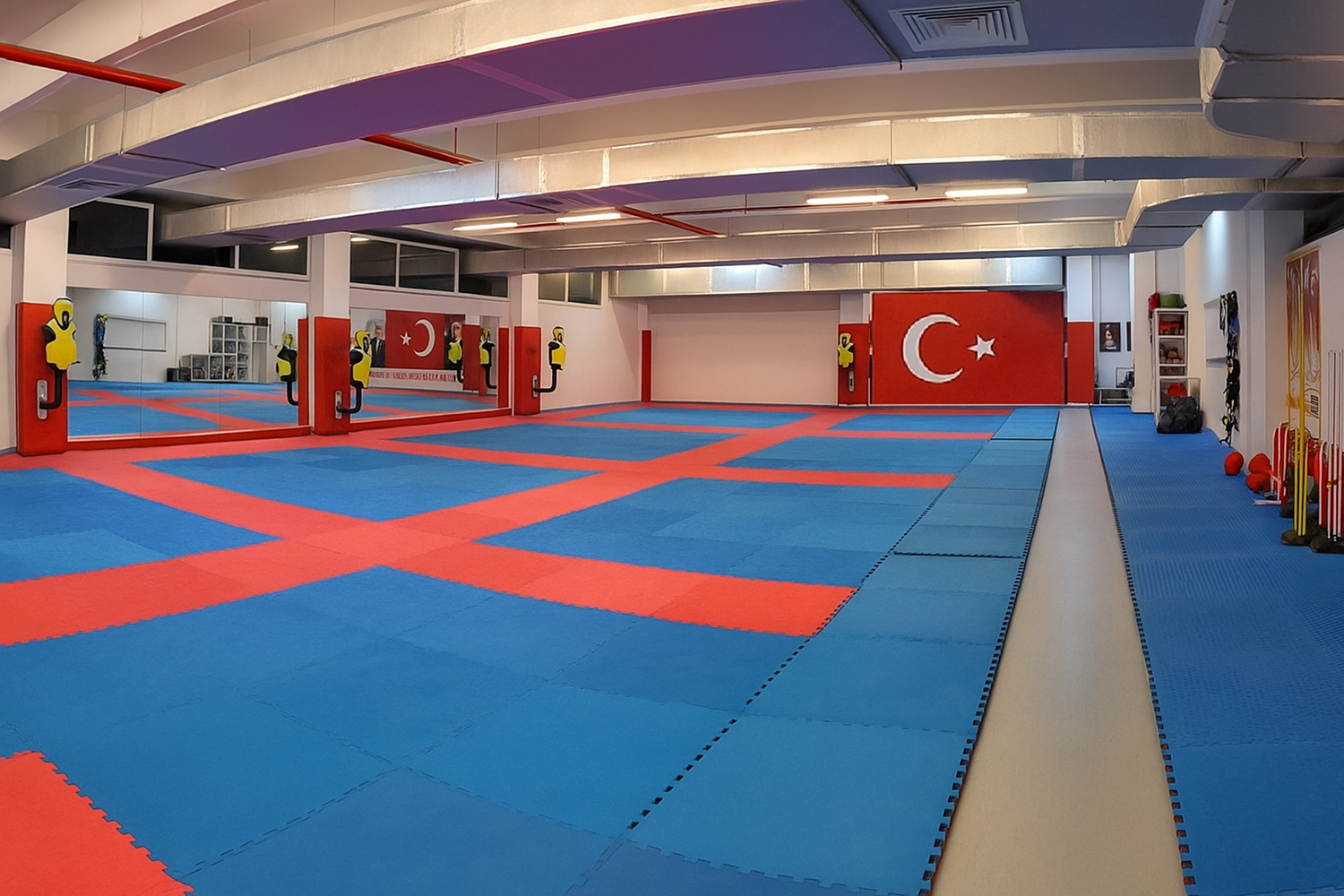
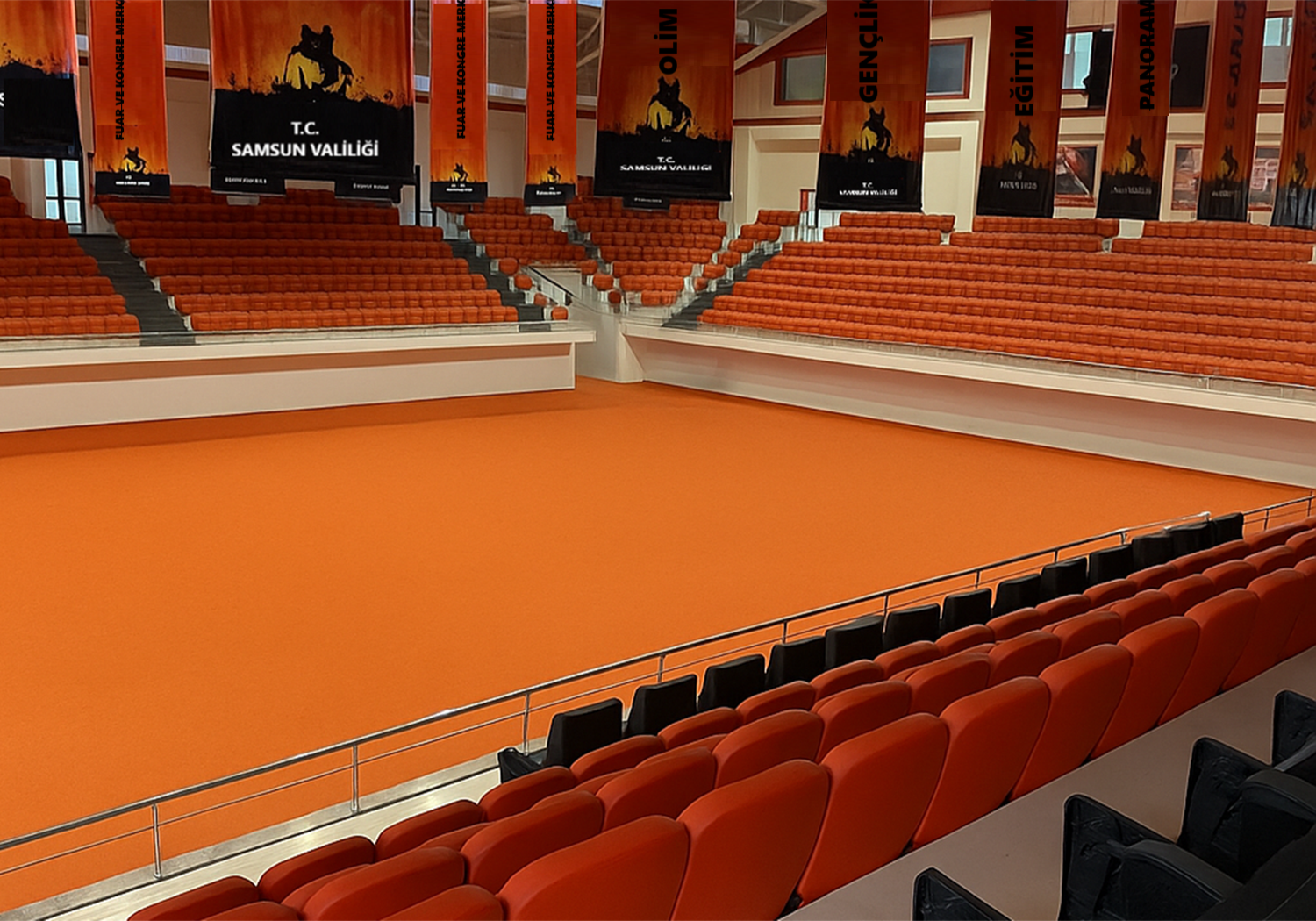
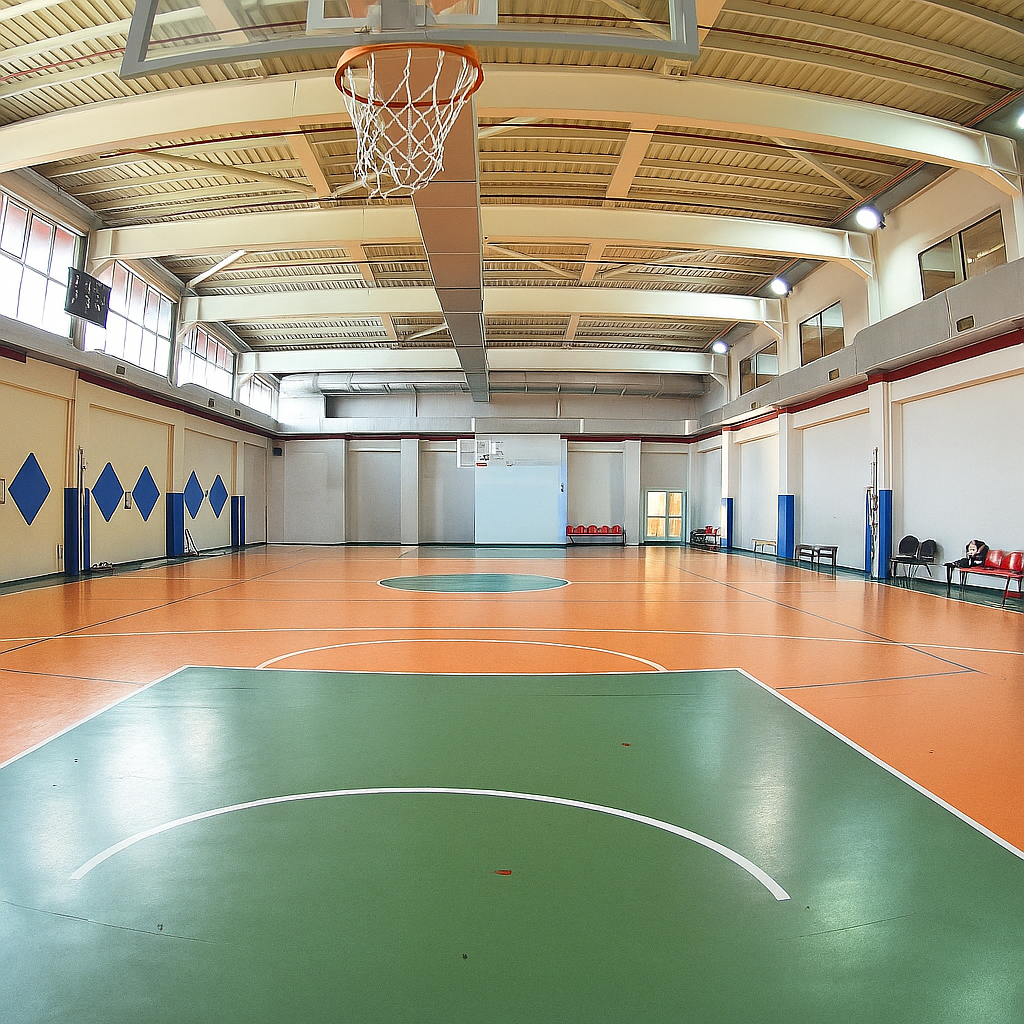
Samsun Mustafa Dağıstanlı Spor Salonu, İlkadım ilçesinde konumlanmaktadır. 2 Haziran 2013 tarihinden bu yana şehir halkına hizmet vermektedir. Gençlik Hizmetleri ve Spor İl Müdürlüğü’nün bünyesinde hizmet veren spor salonları arasındadır. Samsun Mustafa Dağıstanlı Spor Salonu’nda voleybol, basketbol, judo, atıcılık, karate, tekvando, Kung Fu, Kick Boks, Muay Thai, Eskrim, güreş, halter, masa tenisi, satranç, badminton, gol bol, tekerlekli sandalye basketbol gibi branşlarda eğitimler verilmekte ve müsabakalar düzenlenmektedir. Bu branşlarla ilgilenen Samsunlular bazı dönemlerde düzenlenen seçmelere katılabilecekleri gibi, eğitmenlerin verdiği derslerden de faydalanabiliyorlar. Salonun çalışma saatleri 08:00 – 22:00 arasındadır. Samsun Mustafa Dağıstanlı Spor Salonu’nun seyirci kapasitesi 2.000 kişidir.
Konum
Adres: OMÜ Güzel Sanatlar Kampüsü, Atatürk Bulvarı, Kalkancı Mahallesi, Samsun, İlkadım, Samsun, Karadeniz Bölgesi, 55020, Türkiye
Ziyaret Gün ve Saatleri
Aşağıda belirtilen gün ve saatler arasında ziyarete açıktır.
Erişilebilirlik Özellikleri
Engelsiz erişim imkânlarının ve rehber hizmetlerinin bulunup bulunmadığı bilgisine yer verilmiştir.
- Engelsiz Erişim
- Rehberlik Hizmeti
Ziyaret Notları
Salon girişinde kimlik ya da üyelik kartı gösterme zorunluluğu vardır. Antrenman veya müsabaka olmayan zamanlarda rezervasyon sistemi ile kullanım geçerlidir ve ücretsiz ziyaret edilebilir. Spor kıyafeti ve uygun spor ayakkabısının giyilmesi gerekmektedir. Engelli seyirciler için ayrılmış bölgelere engelli olmayan kişiler oturamaz. Fotoğraf ve video çekimi gerekiyorsa salon yönetiminden izin alınması gerekmektedir.
İletişim Bilgileri
Öğrenme Çıktıları
- HSAB.1. Farklı çevre ve fiziksel etkinliklerde büyük kas becerilerini etkin bir şekilde uygulayabilme
- HSAB.3. Jimnastik, dans ve hareket etkinliklerinde ritmik beceriler sergileyebilme
- HSAB.4. Beden farkındalığına dayalı hareket edebilme
- HSAB.5. Kişisel ve genel alanın farkında olarak hareket edebilme
- HSAB.6. Eşle/grupla ahenk içinde hareket örüntüleri sergileyebilme
- HSAB.8. Aktif ve sağlıklı yaşam için gereken zindelik becerilerinin neler olduğunu söyleyebilme
- HSAB.9. Aktif ve sağlıklı yaşam için hareket edebilme
- HSAB.11. Tehlike ve kaza durumlarına karşı kendini koruyabilme
- HB.1.2.1. Sağlıklı büyüme ve gelişme için yapması gerekenleri belirleyebilme
- HB.1.2.4. Acil durumlarda yapılması gerekenleri belirleyebilme
- T.D.1.1. Dinleme/izlemeyi yönetebilme
- T.D.1.3. Dinlediklerini/izlediklerini çözümleyebilme
- T.K.1.1. Konuşmalarını yönetebilme
- T.K.1.2. Konuşmalarında içerik oluşturabilme
- T.K.1.3. Konuşma kurallarını uygulayabilme
- HB.2.2.1. Sağlıklı büyüme ve gelişme ile alışkanlıkları arasındaki ilişkiyi çözümleyebilme
- HB.2.2.4. Acil bir durumda yetkililerle etkili iletişim kurabilme
- T.D.2.1. Dinleme/izlemeyi yönetebilme
- T.D.2.2. Dinledikleri ile ilgili anlam oluşturabilme
- T.D.2.3. Dinlediklerini/izlediklerini çözümleyebilme
- T.K.2.1. Konuşmalarını yönetebilme
- T.K.2.2. Konuşmalarında içerik oluşturabilme
- T.K.2.3. Konuşma kurallarını uygulayabilme
- HB.3.2.1. Sağlığını korumaya yönelik davranışlarını düzenleyebilme
- HB.3.2.2. Güvenliğini tehdit eden bir durumla karşılaştığında yapması gerekenleri sorgulayabilme
- T.D.3.1. Dinleme/izlemeyi yönetebilme
- T.D.3.2. Dinledikleri/izledikleri ile ilgili anlam oluşturabilme
- T.D.3.3. Dinlediklerini/izlediklerini çözümleyebilme
- T.K.3.1. Konuşmalarını yönetebilme
- T.K.3.2. Konuşmalarında içerik oluşturabilme
- T.K.3.3. Konuşma kurallarını uygulayabilme
- T.D.4.1. Dinleme/izlemeyi yönetebilme
- T.D.4.2. Dinledikleri/izledikleri ile ilgili anlam oluşturabilme
- T.D.4.3 Dinlediklerini/izlediklerini çözümleyebilme
- T.D.4.5. Dinleme/izleme sürecini değerlendirebilme
- T.K.4.2. Konuşmalarında içerik oluşturabilme
- T.K.4.3. Konuşma kurallarını uygulayabilme
- İHVD.4.1.1. Çocuk olmanın özelliklerini belirleyebilme
- İHVD.4.1.2. Çocuk haklarıyla ilgili kanıta dayalı olarak oluşturduğu ürünü paylaşabilme
- İHVD.4.1.3. İnsan olmanın getirdiği temel hak ve özgürlükleri yorumlayabilme
- İHVD.4.3.1. Vatandaş olmanın getirdiği hak ve özgürlükleri yorumlayabilme
- T.D.5.1. Dinlemede/izlemede materyal seçimini yönetebilme
- T.D.5.14. Bilgilendirici metinlerde metin yapılarından hareketle önemli bilgileri belirlemeye yönelik çözümleme yapabilme
- T.D.5.20. Çoklu ortam ögelerine yönelik çözümleme yapabilme
- T.D.5.22. Dinlediğini/izlediğini değerlendirebilme
- T.D.5.23. Dinlediğini/izlediğini eleştirebilme
- T.D.5.25. Dinleme/izleme sürecine yönelik öz yansıtma yapabilme/kendini uyarlayabilme
- T.K.5.1. Konuşma sürecini yönetebilme
- T.K.5.6. Konuşmasında çoklu ortam ögeleriyle içerik oluşturabilme
- T.K.5.10. Sözlü sunum yapabilme
- T.K.5.14. Yorumunu sözlü olarak ifade edebilme
- T.K.5.16. Değerlendirmesini sözlü olarak ifade edebilme
- T.K.5.18. Eleştirisini sözlü olarak ifade edebilme
- T.K.5.26. Konuşma sürecine yönelik öz yansıtma yapabilme/kendini uyarlayabilme
- ENG.7.4.L1. Students can prepare and get ready for listening (to)/watching about the current content on “family life and home with family members’ hobbies (sports, books, films, music, cooking); generation gap in the family: problems and solutions”.
- ENG.7.4.L2. Students can bring together the information in the current content on “family life and home with family members’ hobbies (sports, books, films, music, cooking); generation gap in the family: problems and solutions”.
- ENG.7.4.L3. Students can make sense of and derive meaning from the current content on “family life and home with family members’ hobbies (sports, books, films, music, cooking); generation gap in the family: problems and solutions”.
- ENG.7.4.L4. Students can reflect on the information, experiences, thoughts, ideas, and feelings related to the listening (to)/watching process about the current content on “family life and home with family members’ hobbies (sports, books, films, music, cooking); generation gap in the family: problems and solutions” in relation to themselves or others, both individually and/or with others.
- ENG.7.4.P1. Students can select and use target phonological aspects such as pronunciation and intonation of target sounds, words, phrases, clauses, and sentences in utterances authentically, naturally, and accurately in the current content about “family life and home with family members’ hobbies (sports, books, films, music, cooking); generation gap in the family: problems and solutions” to develop holistic and conscious pronunciation skills after recognising them in context.
- ENG.7.4.R1. Students can prepare for reading the content on “family life and home with family members’ hobbies (sports, books, films, music, cooking); generation gap in the family: problems and solutions” efficiently and effectively.
- ENG.7.4.R2. Students can bring information together about the current content on “family life and home with family members’ hobbies (sports, books, films, music, cooking); generation gap in the family: problems and solutions” through skimming, scanning and detailed reading.
- ENG.7.4.R3. Students can make sense of and derive meaning from the current content on “family life and home with family members’ hobbies (sports, books, films, music, cooking); generation gap in the family: problems and solutions”.
- ENG.7.4.R4. Students can reflect on the information, experiences, thoughts, ideas, and feelings related to the reading process about the current content on “family life and home with family members’ hobbies (sports, books, films, music, cooking); generation gap in the family: problems and solutions” in relation to themselves or others, both individually and/or with others.
- ENG.7.4.V1. Students can select and use target vocabulary efficiently, effectively, and accurately, based on the current content about “family life and home with family members’ hobbies (sports, books, films, music, cooking); generation gap in the family: problems and solutions” after recognising them in context and developing their conscious and inductive vocabulary learning skills.
- ENG.7.4.G1. Students can select and use target grammatical language items efficiently, effectively, and accurately, based on the current content about “family life and home with family members’ hobbies (sports, books, films, music, cooking); generation gap in the family: problems and solutions”, after recognising them in context and developing their conscious and inductive grammaring skills through consciousness-raising and discovery.
- ENG.7.4.W1. Students can prepare for writing efficiently and accurately based on the current content about “family life and home with family members’ hobbies (sports, books, films, music, cooking); generation gap in the family: problems and solutions”.
- ENG.7.4.S1. Students can prepare themselves to speak meaningfully, fluently, and efficiently about the current content on “family life and home with family members’ hobbies (sports, books, films, music, cooking); generation gap in the family: problems and solutions”.
- ENG.8.5.S1. Students can prepare themselves to speak meaningfully, fluently, and efficiently about the current content on “life in the neighbourhood and city including social life with sports events in the city and rural areas; pros and cons of living in rural areas and in the city”.
- ENG.8.5.L1. Students can prepare and get ready for listening (to)/watching about the current content on “life in the neighbourhood and city including social life with sports events in the city and rural areas; pros and cons of living in rural areas and in the city”.
- ENG.8.5.L2. Students can bring together the information in the current content on “life in the neighbourhood and city including social life with sports events in the city and rural areas; pros and cons of living in rural areas and in the city”.
- ENG.8.5.L3. Students can make sense of and derive meaning from the current content on “life in the neighbourhood and city including social life with sports events in the city and rural areas; pros and cons of living in rural areas and in the city”.
- ENG.8.5.L4. Students can reflect on the information, experiences, thoughts, ideas, and feelings related to the listening (to)/watching process about the current content on “life in the neighbourhood and city including social life with sports events in the city and rural areas; pros and cons of living in rural areas and in the city” in relation to themselves or others, both individually and/ or with others.
- ENG.8.5.P1. Students can select and use target phonological aspects such as pronunciation and intonation of target sounds, words, phrases, clauses, and sentences in utterances authentically, naturally, and accurately in the current content about “life in the neighbourhood and city including social life with sports events in the city and rural areas; pros and cons of living in rural areas and in the city” to develop holistic and conscious pronunciation skills after recognising them in context.
- ENG.8.5.R1. Students can prepare for reading the content on “life in the neighbourhood and city including social life with sports events in the city and rural areas; pros and cons of living in rural areas and in the city” efficiently and effectively.
- ENG.8.5.R2. Students can bring information together about the current content on “life in the neighbourhood and city including social life with sports events in the city and rural areas; pros and cons of living in rural areas and in the city” through skimming, scanning and detailed reading.
- ENG.8.5.R3. Students can make sense of and derive meaning from the current content on “life in the neighbourhood and city including social life with sports events in the city and rural areas; pros and cons of living in rural areas and in the city”.
- ENG.8.5.R4. Students can reflect on the information, experiences, thoughts, ideas, and feelings related to the reading process about the current content on “life in the neighbourhood and city including social life with sports events in the city and rural areas; pros and cons of living in rural areas and in the city” in relation to themselves or others, both individually and/or with others.
- ENG.8.5.V1. Students can select and use target vocabulary efficiently, effectively, and accurately, based on the current content about “life in the neighbourhood and city including social life with sports events in the city and rural areas; pros and cons of living in rural areas and in the city” after recognising them in context and developing their conscious and inductive vocabulary learning skills.
- ENG.8.5.G1. Students can select and use target grammatical language items efficiently, effectively, and accurately, based on the current content about “life in the neighbourhood and city including social life with sports events in the city and rural areas; pros and cons of living in rural areas and in the city”, after recognising them in context and developing their conscious and inductive grammaring skills through consciousness-raising and discovery.
- ENG.8.5.W1. Students can prepare for writing efficiently and accurately based on the current content about “life in the neighbourhood and city including social life with sports events in the city and rural areas; pros and cons of living in rural areas and in the city”.