


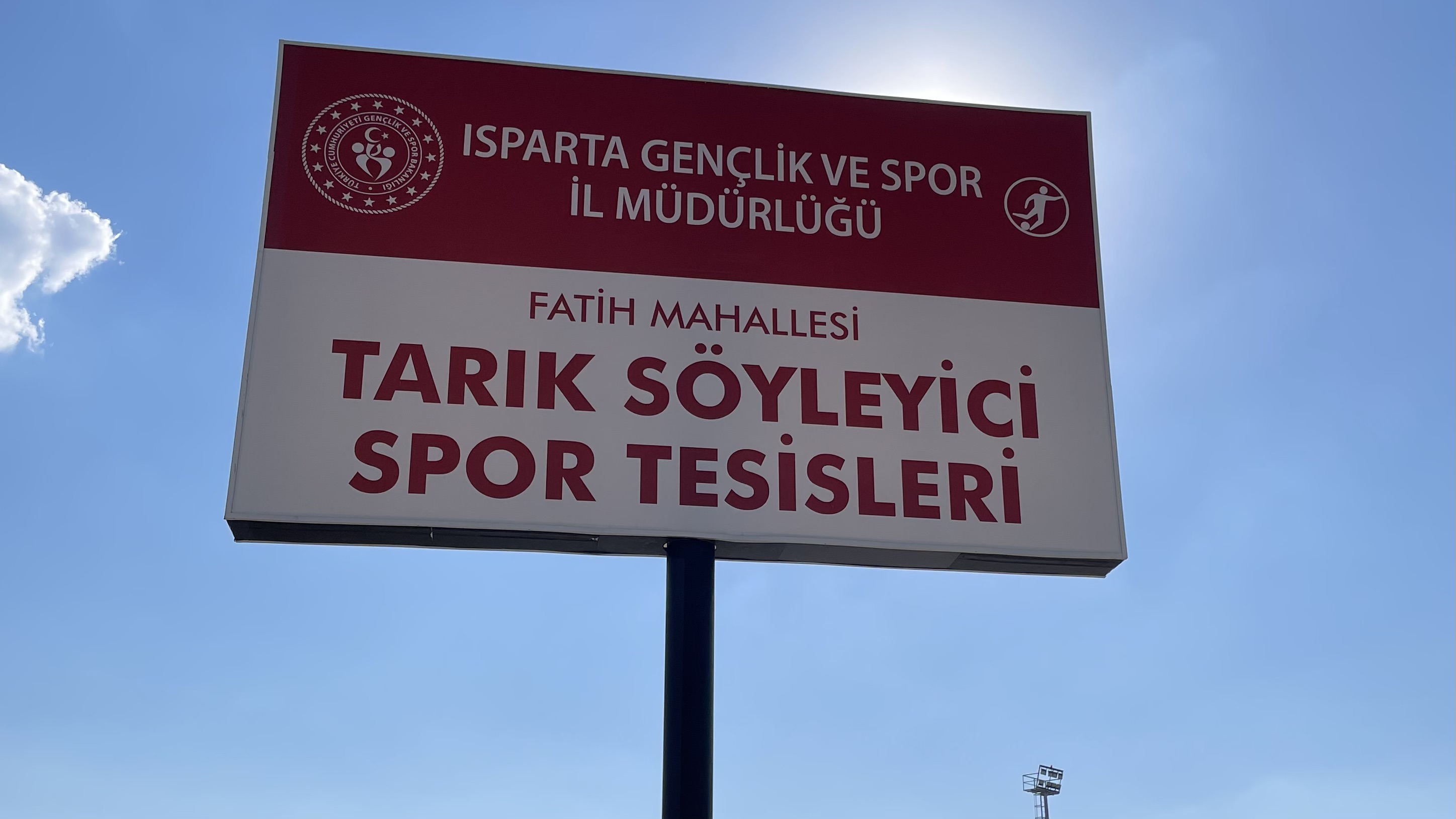
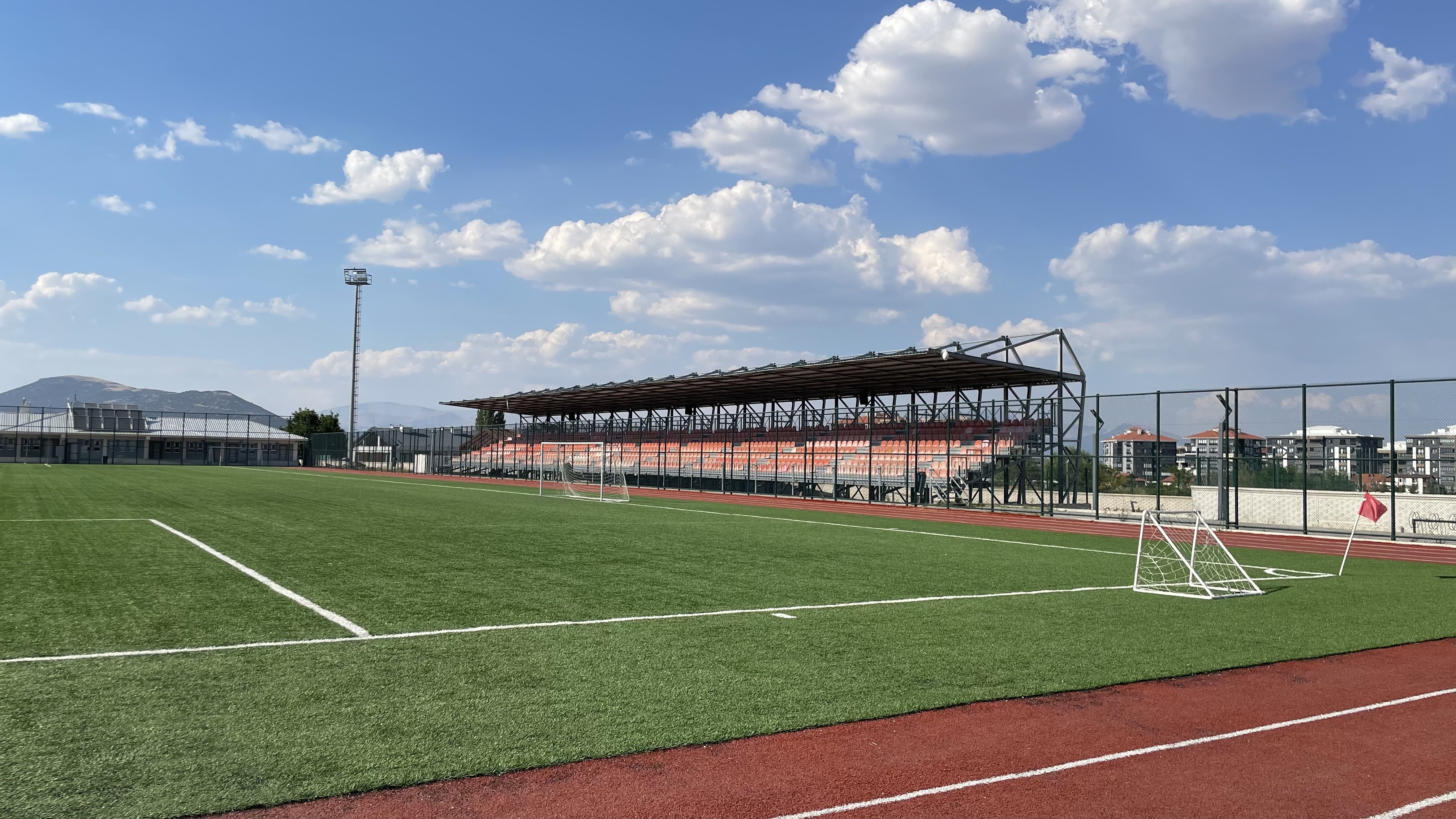
Tarık Söyleyici Spor Kompleksi
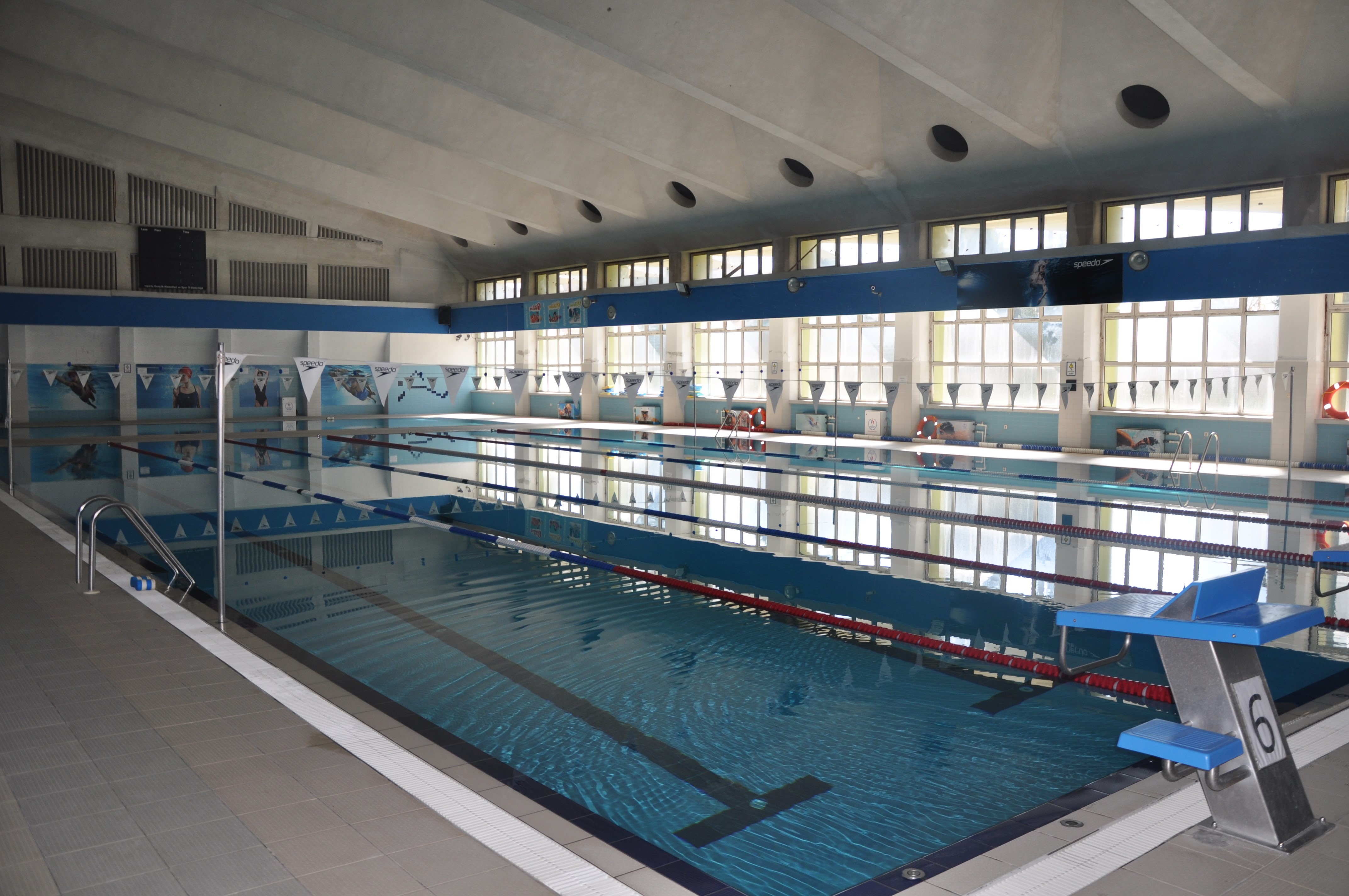
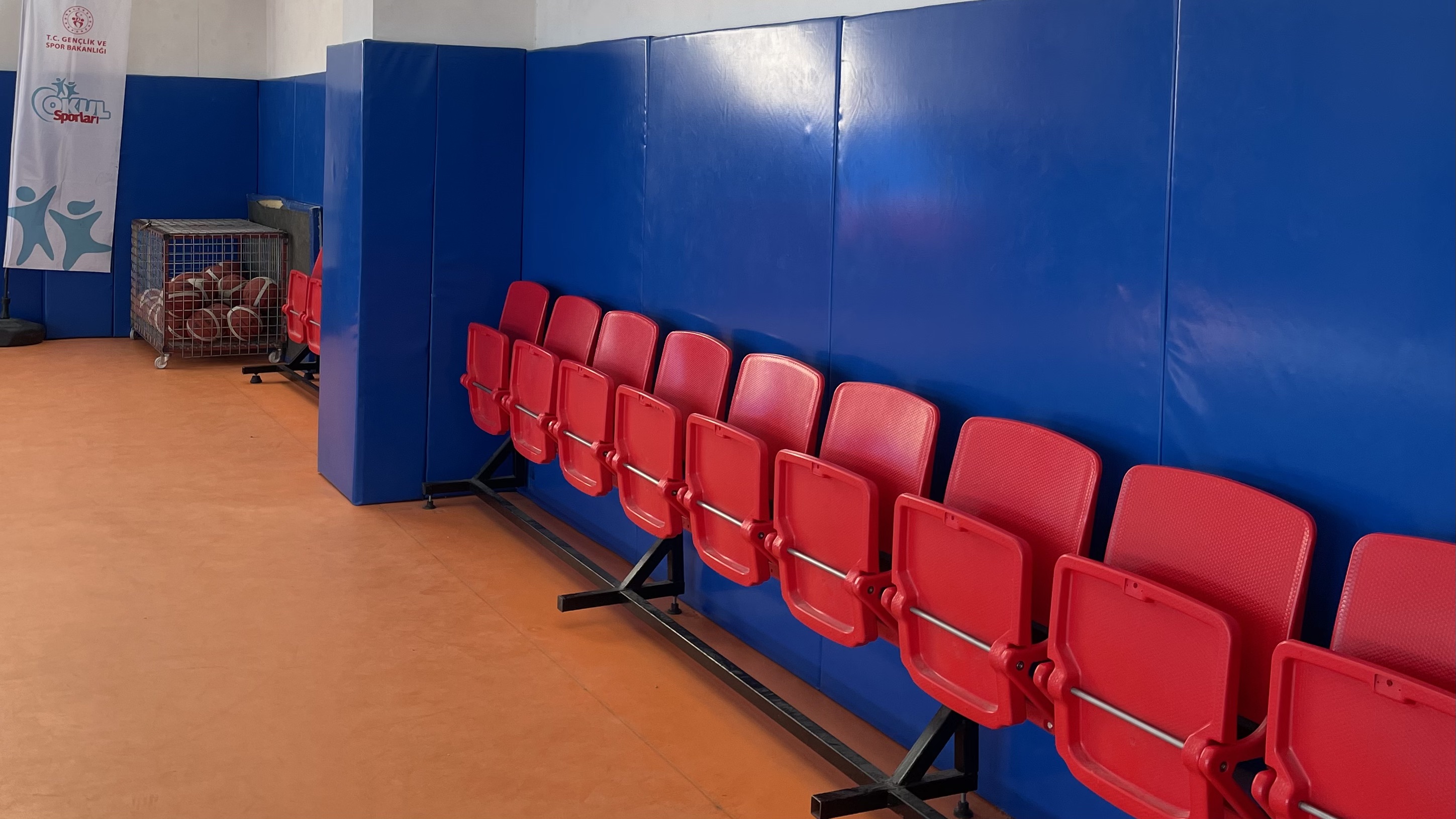
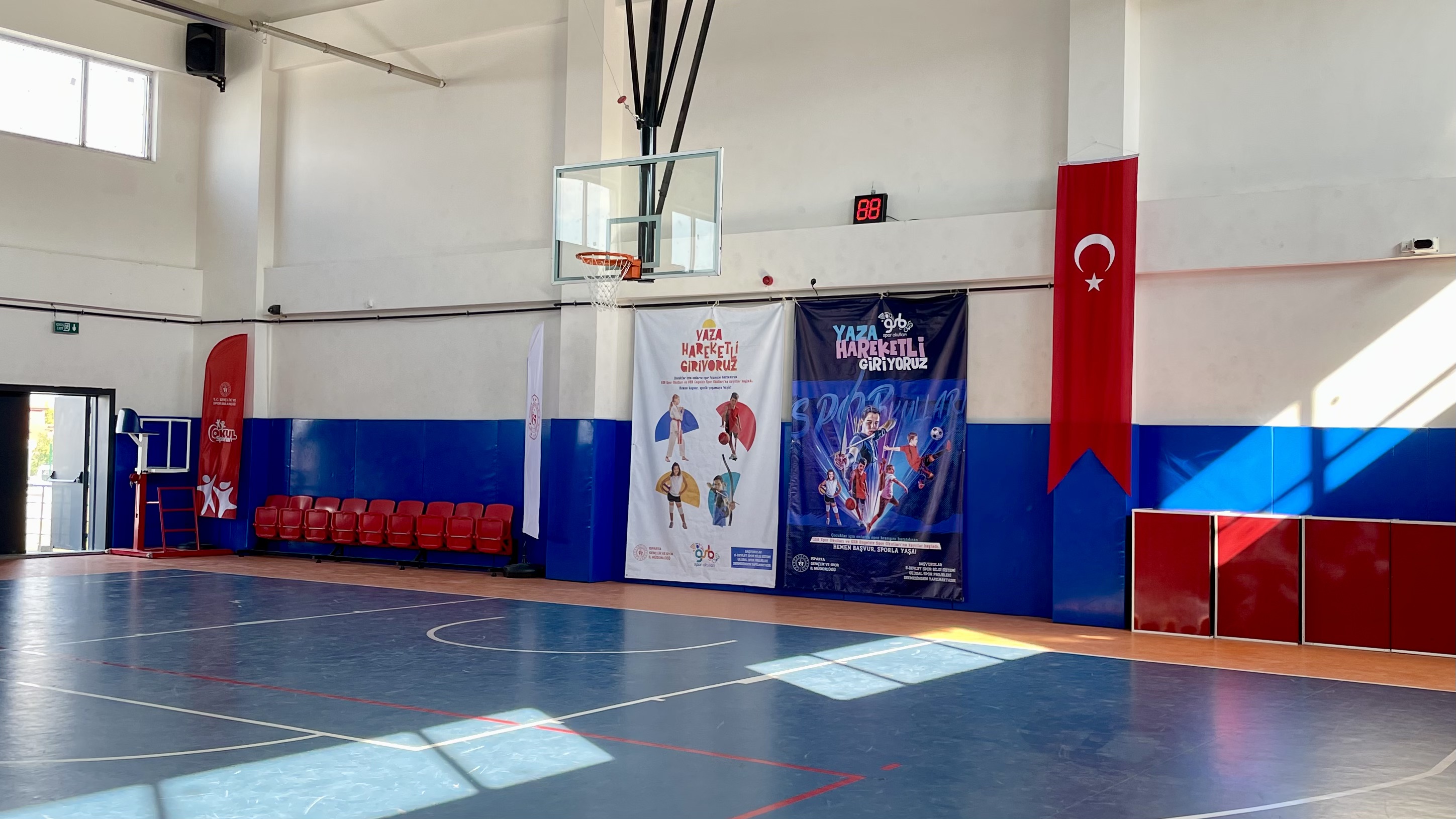
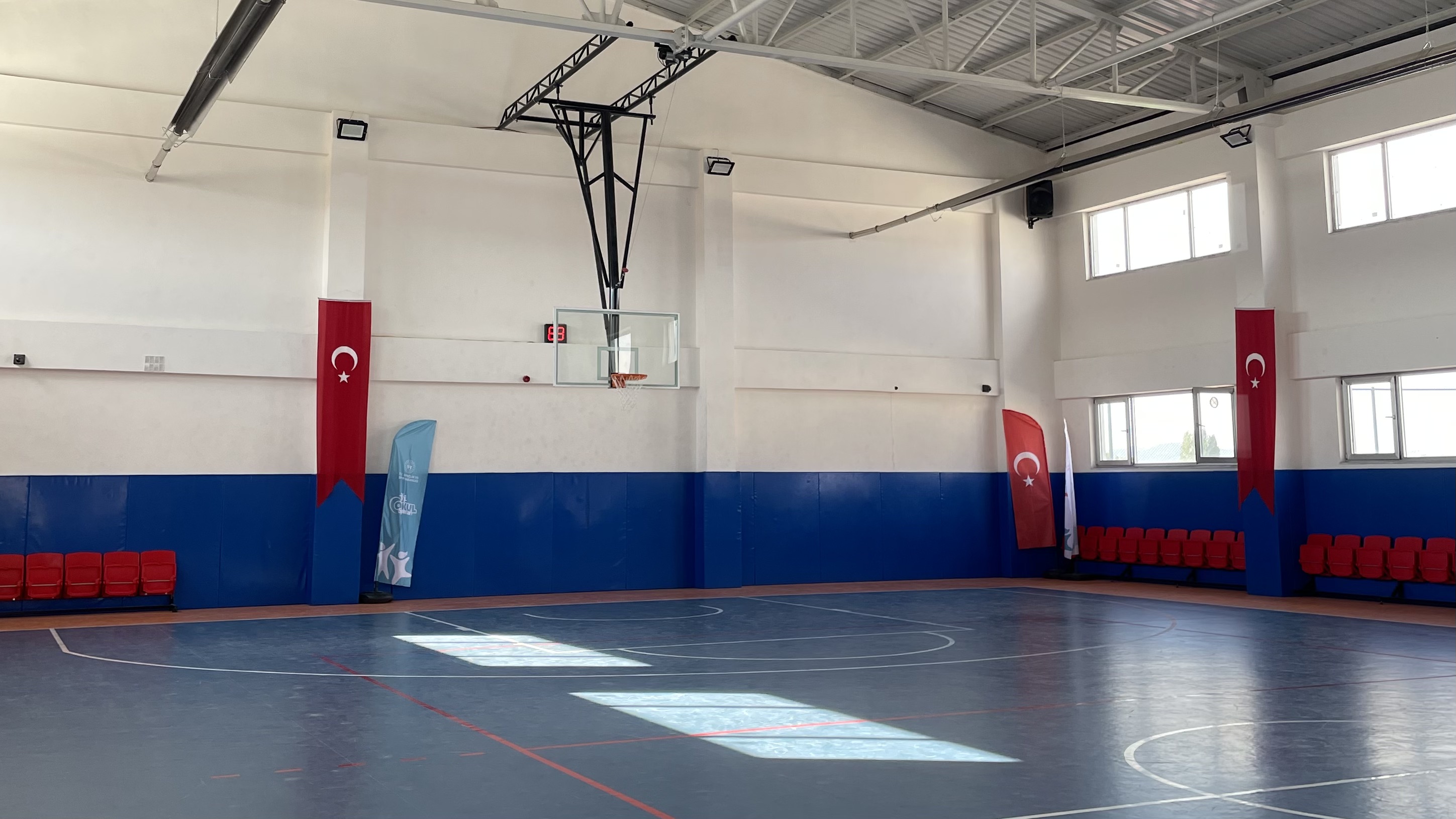
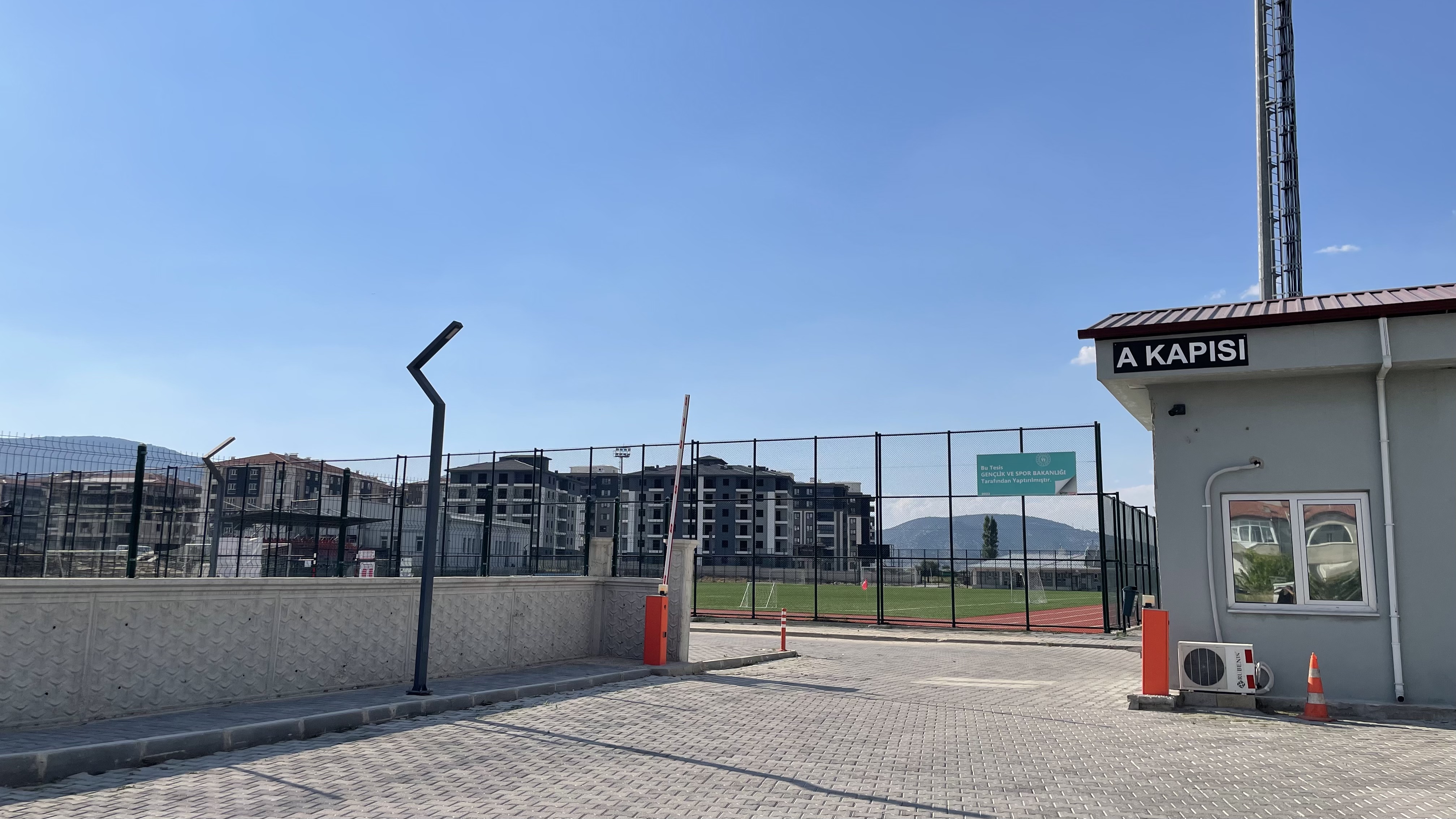
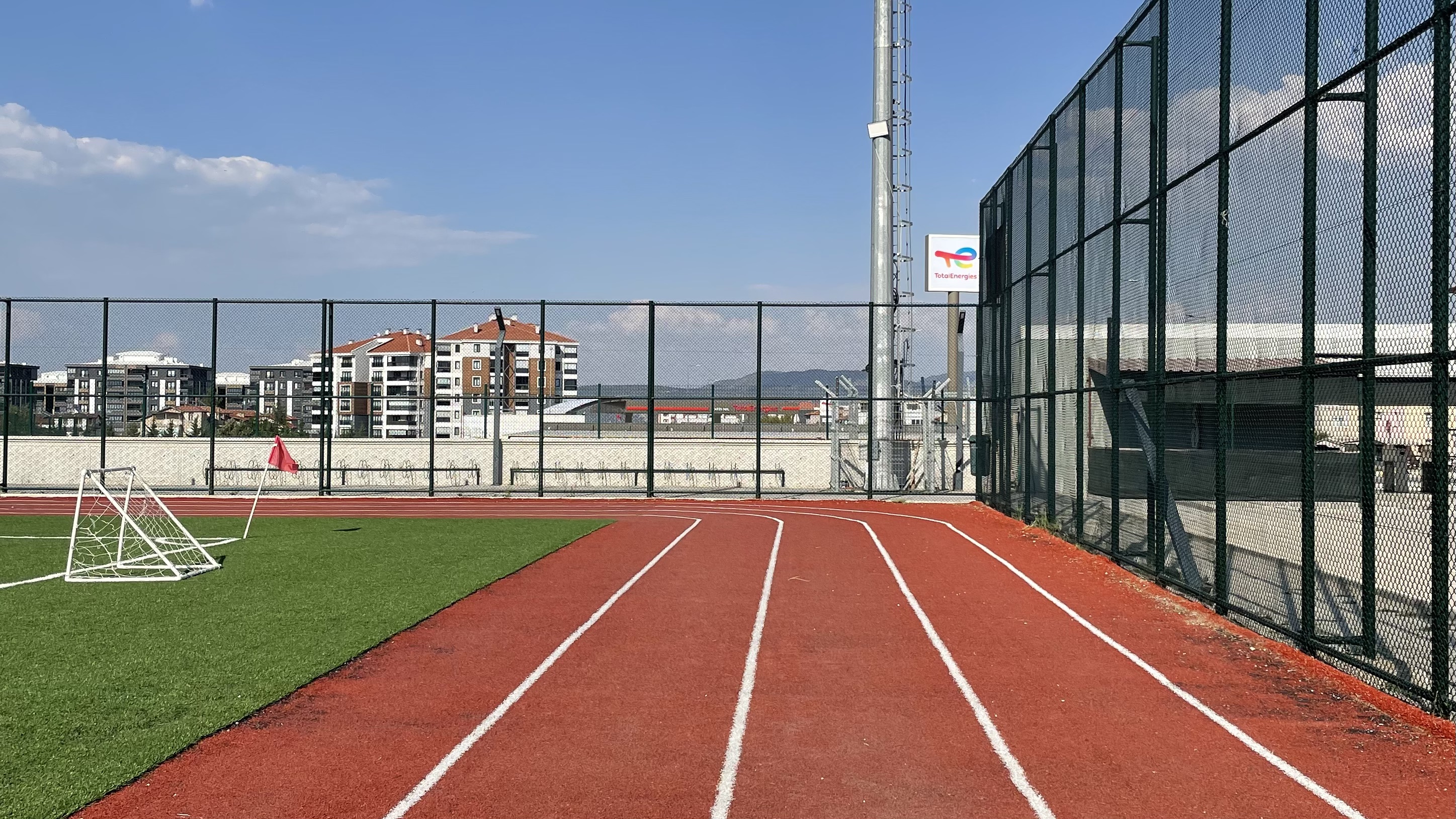
Kompleks içerisinde büyük bir halı saha, yüzme havuzu ile basketbol ve voleybol sahaları bulunmaktadır. Halı saha, futbol etkinlikleri aracılığıyla takım çalışması, koordinasyon ve strateji geliştirme becerilerinin desteklenmesine; yüzme havuzu ise yüzme becerilerinin geliştirilmesinin yanı sıra suyun kaldırma kuvveti ve hareket gibi fen bilimleri konularının uygulamalı olarak gözlemlenmesine olanak sağlamaktadır. Basketbol ve voleybol sahaları, farklı takım sporlarının deneyimlenmesine, iş birliği ve iletişim becerilerinin geliştirilmesine imkân sunmaktadır.
Ayrıca sahaların ölçülerinin incelenmesi, alan ve çevre hesaplamalarının yapılması, mesafe ve zaman ölçümlerinin gerçekleştirilmesi, spor etkinliklerine ilişkin verilerin toplanarak tablo ve grafiklere dönüştürülmesi gibi matematiksel çalışmalar da bu ortamda gerçekleştirilebilmektedir. Spor Kompleksi, edinilen bilgilerin günlük yaşamla ilişkilendirilmesine ve uygulamalı öğrenme süreçlerinin desteklenmesine olanak sağlayan çok yönlü bir eğitim ve etkinlik alanıdır. Aynı zamanda sportif etkinliklere katılımın sağlanması, fiziksel becerilerin geliştirilmesi ve farklı disiplinlerdeki kazanımların gerçek yaşamla ilişkilendirilmesine katkı sunmaktadır.
Konum
Adres: Fatih Mahallesi, Isparta Merkez, Isparta, Akdeniz Bölgesi, 32200, Türkiye
Ziyaret Gün ve Saatleri
Aşağıda belirtilen gün ve saatler arasında ziyarete açıktır.
Erişilebilirlik Özellikleri
Engelsiz erişim imkânlarının ve rehber hizmetlerinin bulunup bulunmadığı bilgisine yer verilmiştir.
- Engelsiz Erişim
- Rehberlik Hizmeti
Ziyaret Notları
Toplu ziyaretlerde önceden randevu alınmalıdır. Müsabaka ve antrenman saatleri girişler kapalıdır. Salona dışarıda kullanılan ayakkabılarla giriş yapılmamalıdır. Fotoğraf ve video çekimi yapılmamalıdır. Salon içerisine yiyecek ve içecek getirilmemeli ve tüketilmemelidir. Havuza bone terlik ve havlu getirilmesi gerekmektedir.
İletişim Bilgileri
Öğrenme Çıktıları
- MAT.1.1.2. Ögeleri dağınık veya düzenli bir şekilde bulunan bir nesne grubunu sayarken parçalar arasında ilişkileri çözümleyebilme
- MAT.1.1.4. İki niceliğin büyüklüğünü “çok”, “daha çok”, “az”, “daha az” veya “eşit” terimleriyle karşılaştırabilme
- MAT. 1.3.4. Günlük yaşamda karşılaşılan geometrik yapılardaki geometrik şekilleri çözümleyebilme
- MAT.1.1.8. Standart olmayan uygun ölçme araçları ile nesnelerin uzunluğunu ve tartacağı kütlenin ölçüm sonuçlarını tahmin edebilme
- T.D.1.2. Dinledikleri/izledikleri ile ilgili anlam oluşturabilme
- T.K.1.2. Konuşmalarında içerik oluşturabilme
- T.D.1.2. Dinledikleri/izledikleri ile ilgili anlam oluşturabilme
- T.D.1.1. Dinleme/izlemeyi yönetebilme
- T.K.1.2. Konuşmalarında içerik oluşturabilme
- HB.1.1.4. Fiziksel özelliklerini ve temel duygularını açıklayabilme
- MAT.2.1.10. Standart uzunluk ve kütle ölçme araçlarının ve birimlerinin gerekliliğini yansıtabilme
- MAT.2.3.1. Günlük yaşamda kullanılan nesneleri biçimsel özelliklerine göre geometrik cisim olarak sınıflandırabilme
- T.D.2.2. Dinledikleri/izledikleri ile ilgili anlam oluşturabilme
- T.D.2.2. Dinledikleri ile ilgili anlam oluşturabilme
- MAT.3.2.6. Dört işlem gerektiren günlük yaşam problemlerini çözebilme
- T.D.3.2. Dinledikleri/izledikleri ile ilgili anlam oluşturabilme
- T.K.3.2. Konuşmalarında içerik oluşturabilme
- T.O.3.1. Okuma sürecini yönetebilme
- T.K.3.2. Konuşmalarında içerik oluşturabilme
- HB.3.3.3. Mesleklerin toplumsal yaşamdaki önemini yorumlayabilme
- T.K.4.2. Konuşmalarında içerik oluşturabilme
- T.K.4.3. Konuşma kurallarını uygulayabilme
- T.D.4.5. Dinleme/izleme sürecini değerlendirebilme
- SB.4.1.2. Bireysel özelliklere saygı duymanın önemine ilişkin çıkarım yapabilme
- SB.4.1.3. Toplumsal birliği sürdürmeye yönelik fikir üretebilme
- İHVD.4.2.1. Eşitlik kavramının anlamını sorgulayabilme
- İHVD.4.2.2. Adalet ve eşitlik arasındaki ilişkiyi yorumlayabilme
- İHVD.4.2.3. Fırsat eşitliğinin anlamını yorumlayabilme
- İHVD.4.3.3. Dijital vatandaşlığın gerektirdiği özellikleri belirleyebilme
- DKAB.4.1.2. İslam’ın temizliğe verdiği önemi gözleme dayalı tahmin edebilme
- T.D.5.4. Dinlediğinde/izlediğinde geçen anlamını bilmediği söz varlığı unsurlarının anlamını tahmin edebilme
- T.D.5.5. Dinlediğinin/izlediğinin yüzey anlamını belirleyebilme
- SB.5.1.2. Kültürel özelliklere saygı duymanın birlikte yaşamaya etkisini yorumlayabilme
- MAT.6.1.1. Karşılaştığı problem durumlarında bir doğal sayının çarpan ve katlarına yönelik muhakeme yapabilme
- MAT.6.1.3. Bir doğal sayının asal olma durumunu ve asal çarpanlarını çözümleyebilme
- MAT.6.1.2. Bir doğal sayının 2, 3, 4, 5, 6, 9 ve 10 ile tam bölünebilme kriterlerine ilişkin çıkarım yapabilme
- MAT.6.1.4. Günlük hayat problemleri ya da matematiksel durumlar üzerinden ortak kat ve ortak böleni yorumlayabilme
- MAT.6.4.3. Geometrik şekillerin alanları ile modellenen gerçek yaşam durumlarına yönelik problem çözebilme
- MAT.6.4.1. Uzunluk ve alan ölçme birimleri arasındaki ilişkilerle ilgili analojik akıl yürütebilme
- MAT.6.4.2. Dikdörtgenin alan bağıntısına yönelik deneyimlerini paralelkenar ve üçgenin alan bağıntılarına yansıtabilme
- MAT.6.4.4. Çemberin uzunluğu ile çap uzunluğu arasındaki ilişkiye yönelik çıkarım yapabilme
- MAT.6.1.5. Gerçek yaşam durumlarında ondalık gösterimlerin basamak değerlerini kesirlerden yararlanarak yorumlayabilme
- MAT.6.1.8. Gerçek yaşam durumlarında karşılaşılan kesir, ondalık ve yüzde gösterimleri ile ilgili dört işlem gerektiren problemleri çözebilme
- MAT.6.2.2. Sayı ve şekil örüntülerini yorumlayabilme
- MAT.6.2.1. Gerçek yaşam durumlarında bilinen niceliklerden bilinmeyen niceliklere ilişkin muhakeme yapabilme
- MAT.6.3.1. Düzlemde iki paralel doğru ve bir kesen ile oluşan açıları sınıflandırabilme
- MAT.6.3.2. Matematiksel araç ve teknolojiden yararlanarak iki paralel doğrunun iki kesenle oluşturduğu şekillerin özelliklerine dair çıkarım yapabilme
- MAT.6.3.3. Matematiksel araç ve teknolojiden yararlanarak birbirlerini ortalayan doğru parçalarını köşegen kabul eden dörtgenlere yönelik çıkarım yapabilme
- MAT.6.3.4. Üçgen, yamuk, paralelkenar, eşkenar dörtgen, dikdörtgen ve karenin açıları ile ilgili problemleri çözebilme
- MAT.6.5.1. Kategorik veya nicel (kesikli) veri ile çalışabilme ve veriye dayalı karar verebilme
- MAT.6.6.1. Bir olayın olasılığını gözleme dayalı tahmin edebilme
- SB.6.1.2. Kültürel bağlarımızın ve millî değerlerimizin toplumsal birliğe etkisini yorumlayabilme
- DE.6.1.H1.1. – Vorbereitung auf das Hör- und Sehverstehen
- DE.6.1.H1.2. – Informationen zusammenführen durch bedeutende Details
- DE.6.1.P3.1. - Phonologische Elemente erkennen und anwenden
- DE.6.1.L2.1. – Vorbereitung auf das Leseverstehen
- DE.6.1.L2.3. – Bedeutung erschließen und Gedanken zum Leseprozess ausdrücken
- DE.6.1.S4.1. – Vorbereitung auf den Schreibprozess
- DE.6.1.SP3.1. – Vorbereitung auf den Sprechprozess
- DE.6.1.SP3.3. – Inhalt für das Sprechen organisieren und anwenden
- DE.6.2.S4.1. – Vorbereitung auf den Schreibprozess
- DE.6.2.SP3.1.– Vorbereitung auf den Sprechprozess
- DE.6.2.SP3.3. – Inhalt für das Sprechen organisieren und anwenden
- DE.6.2.L2.1. – Vorbereitung auf das Leseverstehen
- DE.6.2.L2.3. – Bedeutung erschließen und Gedanken zum Leseprozess ausdrücken
- DE.6.3.L2.1. – Vorbereitung auf das Leseverstehen
- DE.6.3.L2.3. – Bedeutung erschließen und Gedanken zum Leseprozess ausdrücken
- DE.6.3.S4.1. – Vorbereitung auf den Schreibprozess
- DE.6.3.SP3.1. – Vorbereitung auf den Sprechprozess
- DE.6.3.SP3.3. – Inhalt für das Sprechen organisieren und anwenden
- DE.6.4.L2.1. – Vorbereitung auf das Leseverstehen
- DE.6.4.L2.3. – Bedeutung erschließen und Gedanken zum Leseprozess ausdrücken
- DE.6.4.SP3.1. – Vorbereitung auf den Sprechprozess
- DE.6.4.S4.1. – Vorbereitung auf den Schreibprozess
- DE.6.4.SP3.3. – Inhalt für das Sprechen organisieren und anwenden
- DE.6.5.L2.1. – Vorbereitung auf das Leseverstehen
- DE.6.5.L2.3. – Bedeutung erschließen und Gedanken zum Leseprozess ausdrücken
- DE.6.5.S4.1. – Vorbereitung auf den Schreibprozess
- DE.6.5.SP3.1. – Vorbereitung auf den Sprechprozess
- DE.6.5.SP3.3 – Inhalte für das Sprechen organisieren und anwenden
- DE.6.6.L2.1. – Vorbereitung auf das Leseverstehen
- DE.6.6.L2.3. –Bedeutung erschließen und Gedanken zum Leseprozess ausdrücken
- DE.6.6.SP3.1. – Vorbereitung auf den Sprechprozess
- DE.6.6.SP3.3. –Inhalte für das Sprechen organisieren und anwenden
- DE.6.6.S4.1. – Vorbereitung auf den Schreibprozess
- BES.6.1.1. Sağlıkla ilgili fiziksel uygunluğu sağlayabilme
- BES.6.1.2. Fiziksel uygunluk ve zindelik arasındaki ilişkiyi çözümleyebilme
- BES.6.1.3. Fiziksel aktivite sırasında meydana gelebilecek yaralanmalarda temel ilk yardım uygulamalarını sergileyebilme
- BES.6.1.4. Fiziksel aktiviteye katılımı destekleyen teknolojik araçları belirleyebilme
- BES.6.2.1. Hedef oyunlarına ilişkin hareket kavramlarını uygulayabilme
- BES.6.2.2. Hedef oyunlarına ilişkin hareket becerilerini sergileyebilme
- BES.6.2.3. Hedef oyunlarına ilişkin taktik ve strateji geliştirebilme
- BES.6.3.1. Engelli sporlarına ilişkin hareket kavramlarını uygulayabilme
- BES.6.3.2. Engelli sporlarına ilişkin hareket becerilerini sergileyebilme
- BES.6.3.3. Engelli sporlarına ilişkin taktik ve strateji geliştirebilme
- BES.6.4.2. Seçili halk oyununa ilişkin hareket becerilerini sergileyebilme
- BES.6.4.3. Geleneksel oyunlara ilişkin hareket becerilerini sergileyebilme
- BES.6.5.1. Hücum oyunlarında güvenli ortam oluşturabilme
- BES.6.5.2. Hücum oyunlarına ilişkin hareket kavramlarını uygulayabilme
- BES.6.5.3. Hücum oyunlarına ilişkin hareket becerilerini sergileyebilme
- BES.6.5.4. Hücum oyunlarına ilişkin taktik ve strateji geliştirebilme
- FB.6.2.1.1. Bir cisme etki eden aynı doğrultudaki kuvvetler arasındaki ilişkileri açıklayarak bileşke kuvveti yapılandırabilme
- FB.6.2.1.2. Dengelenmiş ve dengelenmemiş kuvvetlerin etkisi altındaki bir cismin hareketine yönelik deney yapabilme
- FB.6.2.2.1. Sürat ve hız kavramlarını karşılaştırabilme
- FB.6.4.1.1. Işığın farklı yüzeylerdeki yansıma olaylarına ilişkin bilimsel çıkarım yapabilme
- FB.6.4.2.1. Günlük hayattaki ayna çeşitlerine ilişkin bilimsel çıkarım yapabilme
- FB.6.4.3.2. Beyaz ışığın tüm ışık renklerinin bileşiminden oluştuğuna ilişkin bilimsel çıkarım yapabilme
- FB.6.4.3.1. Işığın madde ile etkileşimi sonucunda soğurulabileceğini gözlemleyebilme
- FB.6.4.3.3. Cisimlerin siyah, beyaz ve renkli görünmesinin nedenini gözlem verileriyle açıklayabilme
- FB.6.5.1.1. Isı etkisiyle maddelerin genleşip büzüleceğine yönelik bilimsel gözleme dayalı tahmin edebilme
- FB.6.5.2.1. Maddelerin erime, donma ve kaynama noktasını gösteren deney yapabilme
- FB.6.5.3.1. Yoğunluğa ilişkin hesaplamalar yaparak bilimsel veriye dayalı tahmin edebilme
- FB.6.5.3.3. Suyun katı ve sıvı hâllerine ait yoğunlukları karşılaştırarak bu durumun canlılar için önemi hakkında bilimsel çıkarımlar yapabilme
- FB.6.5.3.4. Yoğunluk ile ilgili bilimsel model oluşturabilme
- FB.6.6.1.1. Maddelerin elektriği iletme durumlarını gösteren deney yapabilme
- MÜZ.6.1.1. İstiklâl Marşı’nı nefes yerlerine dikkat ederek söyleyebilme
- MÜZ.6.1.2. Farklı türdeki eserleri söyleyebilme
- MÜZ.6.1.3. Belirli gün ve haftalarla ilgili eserleri söyleyebilme
- MÜZ.6.1.4. Ortak repertuvardaki eserleri söyleyebilme
- MÜZ.6.1.5. Müzik eserlerine bedensel hareketlerle eşlik edebilme
- MÜZ.6.2.2. Farklı türdeki eserleri söyleyebilme
- MÜZ.6.2.6. Ortak repertuvardaki eserleri söyleyebilme
- MÜZ.6.2.7. Müzik eserlerine bedensel hareketlerle eşlik edebilme
- T.D.6.1. Dinlemede/izlemede materyal seçimini yönetebilme
- T.D.6.2. Dinlemede/izlemede strateji ve yöntem seçimlerini yönetebilme
- T.D.6.4. Dinlediğinde/izlediğinde geçen anlamını bilmediği söz varlığı unsurlarının anlamını tahmin edebilme
- T.D.6.5. Dinlediğinin/izlediğinin yüzey anlamını belirleyebilme
- T.D.6.15. Bilgilendirici metinde anahtar kelimeleri belirlemeye yönelik çözümleme
- T.D.6.19. Dinlediğinden/izlediğinden hareketle söz varlığını geliştirmeye yönelik çözümleme yapabilme
- T.D.6.25. Dinleme/izleme sürecine yönelik öz yansıtma yapabilme/kendini uyarlayabilme
- T.K.6.1. Konuşma sürecini yönetebilme
- T.K.6.2. Konuşma yöntem ve tekniklerine yönelik seçimlerini yönetebilme
- T.K.6.3. Konuşmasında amaç ve içeriğe yönelik seçimlerini yönetebilme
- T.K.6.9. Konuşmasında sesini uygun şekilde kullanabilme
- T.K.6.22. Konuşmasını zenginleştirecek biçimde söz varlığını kullanabilme
- T.K.6.26. Konuşma sürecine yönelik öz yansıtma yapabilme/kendini uyarlayabilme
- T.D.6.2. Dinlemede/izlemede strateji ve yöntem seçimlerini yönetebilme
- T.D.6.3. Dinleyeceğinin/izleyeceğinin içeriğine yönelik tahminde bulunabilme
- T.D.6.6. Görselle iletilen anlamı belirleyebilme
- T.D.6.8. Dinlediğinin/izlediğinin derin anlamını belirlemeye yönelik üst düzey çıkarımlar yapabilme
- T.D.6.9. Dinlediğini/izlediğini kendi içinde karşılaştırabilme
- T.D.6.11. Dinlediğindeki/izlediğindeki unsurları sınıflandırabilme
- T.D.6.25. Dinleme/izleme sürecine yönelik öz yansıtma yapabilme/kendini uyarlayabilme
- T.K.6.1. Konuşma sürecini yönetebilme
- T.K.6.4. Konuşmasında ön bilgilerinden yararlanabilme
- T.K.6.5. Konuşmasında uygun tepki verebilme
- T.K.6.7. Yaratıcı konuşma yapabilme
- T.K.6.8. Hazırlıksız konuşma yapabilme
- T.K.6.12. Konuşmasında karşılaştırma yapabilme
- T.K.6.15. Sözlü olarak özetleyebilme
- T.K.6.25. Konuşmasında beden dilini ve mekânı etkili kullanabilme
- T.K.6.26. Konuşma sürecine yönelik öz yansıtma yapabilme/kendini uyarlayabilme
- T.D.6.1. Dinlemede/izlemede materyal seçimini yönetebilme
- T.D.6.8. Dinlediğinin/izlediğinin derin anlamını belirlemeye yönelik üst düzey çıkarımlar yapabilme
- MAT.7.4.2. Dikdörtgenler prizmasının yüzey alanını yorumlayabilme
- MAT.7.4.4. Dikdörtgenler prizmasının hacim bağıntısını değerlendirebilme
- MAT.7.4.6. Günlük hayat durumlarında dikdörtgenler prizmaları ile modellenen cisimlerin yüzey alanı ve hacmine yönelik problem çözebilme
- MAT.7.4.7. Dikdörtgenin, paralelkenarın alanına ve çemberin uzunluğuna ilişkin deneyimlerini dairenin alan bağıntısına yansıtabilme
- MAT.7.4.8. Çemberde merkez açı ve gördüğü yay uzunluğu arasındaki ilişkiden yola çıkarak daire ve daire diliminin alanları arasındaki ilişkiye yönelik analojik akıl yürütebilme
- MAT.7.4.10. Günlük hayat durumlarında daire, daire dilimi, eşkenar dörtgen ve yamuğun alanına ilişkin problem çözebilme
- MAT.7.1.1. Gerçek yaşam ya da matematiksel durumlarda doğal sayı, tam sayı ve rasyonel sayıları yorumlayabilme
- MAT.7.1.2. Gerçek yaşam durumlarında rasyonel sayıların ondalık gösterimlerini yansıtabilme
- MAT.7.1.5. Gerçek yaşam durumları üzerinden oran ilişkileri hakkında muhakeme yapabilme
- MAT.7.1.6. Gerçek yaşam durumları üzerinden orantılı durumları yorumlayabilme
- MAT.7.1.7. Gerçek yaşam durumları üzerinden doğru orantılı durumlara ilişkin problemleri çözebilme
- MAT.7.2.1. Gerçek yaşam durumları ya da matematiksel durumlar üzerinden cebirsel ifadelerle toplama, çıkarma ve bir rasyonel sayıyla çarpma işlemlerini yorumlayabilme
- MAT.7.3.1. Şekillerin yansıma dönüşümü altındaki görüntülerinin oluşturulmasına dair çıkarım yapabilme
- MAT.7.3.2. Yansıma dönüşümündeki deneyimlerini orta dikme ve açıortay inşasına yansıtabilme
- MAT.7.6.1. Kategorik veya nicel (sürekli) veri ile çalışabilme ve veriye dayalı karar verebilme
- DE.7.1.H1.1. – Vorbereitung auf das Hör- und Sehverstehen
- DE.7.1.H1.2. – Informationen zusammenführen durch bedeutende Details
- DE.7.1.P3.1. – Phonologische Elemente erkennen und anwenden
- DE.7.1.L2.1. – Vorbereitung auf das Leseverstehen
- DE.7.1.L2.3. – Bedeutung erschließen und Gedanken zum Leseprozess ausdrücken
- DE.7.1.W2.1. – Zielwortschatz erkennen und anwenden
- DE.7.1.G1.1. – Zielgrammatik erkennen und anwenden
- DE.7.1.S4.1. – Vorbereitung auf den Schreibprozess
- DE.7.1.SP3.1. – Vorbereitung auf den Sprechprozess
- DE.7.1.SP3.3. – Inhalt für das Sprechen organisieren und anwenden
- DE.7.1.SP3.4. – Mündliche Inhalte produzieren
- DE.7.2.H1.1. – Vorbereitung auf das Hör- und Sehverstehen
- DE.7.2.H1.2. – Informationen zusammenführen durch bedeutende Details
- DE.7.2.P3.1. – Phonologische Elemente erkennen und anwenden
- DE.7.2.L2.1. – Vorbereitung auf das Leseverstehen
- DE.7.2.L2.3. –Bedeutung erschließen und Gedanken zum Leseprozess ausdrücken
- DE.7.2.W2.1. – Zielwortschatz erkennen und anwenden
- DE.7.2.G1.1. – Zielgrammatik erkennen und anwenden
- DE.7.2.S4.1. – Vorbereitung auf den Schreibprozess
- DE.7.2.SP3.3. – Inhalt für das Sprechen organisieren und anwenden
- DE.7.2.SP3.4. – Mündliche Inhalte produzieren
- DE.7.3.H1.1. – Vorbereitung auf das Hör- und Sehverstehen
- DE.7.3.H1.2. – Informationen zusammenführen durch bedeutende Details
- DE.7.3.P3.1. - Phonologische Elemente erkennen und anwenden
- DE.7.3.L2.1. – Vorbereitung auf das Leseverstehen
- DE.7.3.L2.3. – Bedeutung erschließen und Gedanken zum Leseprozess ausdrücken
- DE.7.3.W2.1. – Zielwortschatz erkennen und anwenden
- DE.7.3.G1.1. – Zielgrammatik erkennen und anwenden
- DE.7.3.S4.1. – Vorbereitung auf den Schreibprozess
- DE.7.3.S4.4. – Inhalt vorbereiten und schreiben
- DE.7.3.SP3.1. – Vorbereitung auf den Sprechprozess
- DE.7.3.SP3.3. – Inhalt für das Sprechen organisieren und anwenden
- DE.7.3.SP3.4. – Mündliche Inhalte produzieren
- DE.7.4.H1.1. – Vorbereitung auf das Hör- und Sehverstehen
- DE.7.4.H1.2. – Informationen zusammenführen durch bedeutende Details
- DE.7.4.P3.1. – Phonologische Elemente erkennen und anwenden
- DE.7.4.L2.1. – Vorbereitung auf das Leseverstehen
- DE.7.4.L2.3. – Bedeutung erschließen und Gedanken zum Leseprozess ausdrücken
- DE.7.4.W2.1. – Zielwortschatz erkennen und anwenden
- DE.7.4.G1.1. – Zielgrammatik erkennen und anwenden
- DE.7.4.S4.4. – Inhalt vorbereiten und schreiben
- DE.7.4.S4.1. – Vorbereitung auf den Schreibprozess
- DE.7.4.SP3.3. – Inhalt für das Sprechen organisieren und anwenden
- DE.7.4.SP3.1. – Vorbereitung auf den Sprechprozess
- DE.7.4.SP3.4. – Mündliche Inhalte produzieren
- DE.7.5.H1.1. – Vorbereitung auf das Hör- und Sehverstehen
- DE.7.5.H1.2. – Informationen zusammenführen durch bedeutende Details
- DE.7.5.P3.1. – Phonologische Elemente erkennen und anwenden
- DE.7.5.L2.1. – Vorbereitung auf das Leseverstehen
- DE.7.5.L2.3. – Bedeutung erschließen und Gedanken zum Leseprozess ausdrücken
- DE.7.5.W2.1. – Zielwortschatz erkennen und anwenden
- DE.7.5.G1.1. – Zielgrammatik erkennen und anwenden
- DE.7.5.S4.1. – Vorbereitung auf den Schreibprozess
- DE.7.5.S4.4. – Inhalt vorbereiten und schreiben
- DE.7.5.SP3.1. – Vorbereitung auf den Sprechprozess
- DE.7.5.SP3.3. – Inhalt für das Sprechen organisieren und anwenden
- DE.7.5.SP3.4. – Mündliche Inhalte produzieren
- DE.7.6.H1.1. – Vorbereitung auf das Hör- und Sehverstehen
- DE.7.6.H1.2. – Informationen zusammenführen durch bedeutende Details
- DE.7.6.P3.1. – Phonologische Elemente erkennen und anwenden
- DE.7.6.L2.1. – Vorbereitung auf das Leseverstehen
- DE.7.6.L2.3. – Bedeutung erschließen und Gedanken zum Leseprozess ausdrücken
- DE.7.6.W2.1. – Zielwortschatz erkennen und anwenden
- DE.7.6.G1.1. – Zielgrammatik erkennen und anwenden
- DE.7.6.S4.1. – Vorbereitung auf den Schreibprozess
- DE.7.6.S4.4. – Inhalt vorbereiten und schreiben
- DE.7.6.SP3.1. – Vorbereitung auf den Sprechprozess
- DE.7.6.SP3.3. – Inhalt für das Sprechen organisieren und anwenden
- DE.7.6.SP3.4. – Mündliche Inhalte produzieren
- BES.7.1.2. Performansla ilgili fiziksel uygunluğu sağlayabilme
- BES.7.2.1. File ve duvar oyunlarına ilişkin hareket kavramlarını uygulayabilme
- BES.7.2.2. File ve duvar oyunlarına ilişkin hareket becerilerini sergileyebilme
- BES.7.2.3. File ve duvar oyunlarına ilişkin taktik ve strateji geliştirebilme
- BES.7.3.1. Açık alan ve macera etkinliklerinde güvenli ortam oluşturabilme
- BES.7.3.2. Açık alan ve macera etkinliklerine ilişkin hareket becerilerini sergileyebilme
- BES.7.3.3. Açık alan ve macera etkinliklerinde grup liderliği sergileyebilme
- BES.7.4.1. Beden eğitimi ve spor alanının öncülerini tanıyabilme
- BES.7.4.2. Halk oyununa ilişkin hareket örüntülerini sergileyebilme
- BES.7.4.3. Geleneksel oyunlara ilişkin hareket becerilerini sergileyebilme
- BES.7.5.1. Hücum oyunlarına ilişkin hareket kavramlarını uygulayabilme
- BES.7.5.2. Hücum oyunlarına ilişkin hareket becerilerini sergileyebilme
- BES.7.5.3. Hücum oyunlarına ilişkin farklı zorluk seviyelerinde taktik ve strateji geliştirebilme
- FB.7.4.1.1. Ortam değiştiren ışığın izlediği yolu gözlemleyerek kırılma olayına yönelik bilimsel çıkarım yapabilme
- FB.7.4.2.2. Merceklerin günlük hayatta kullanım alanlarını örneklerle sınıflandırabilme
- FB.7.6.1.1. Elektriklenme ile ilgili bilgi toplayabilme
- FB.7.6.1.2. Elektriklenme çeşitlerini belirlemeye yönelik deney yapabilme
- FB.7.6.1.3. Cisimlerin elektrik yüklerini sınıflandırabilme
- FB.7.7.2.1. Kaynakların tasarruflu kullanımının önemini sorgulayabilme
- GS.7.1.1. Toplum ve çevre bağlamında renk, doku ve biçim ilişkilerini kurarak biyofilik yapabilme
- MÜZ.7.1.1. İstiklâl Marşı’nı gürlük basamaklarına dikkat ederek söyleyebilme
- MÜZ.7.1.2. Farklı türdeki eserleri söyleyebilme
- MÜZ.7.1.3. Belirli gün ve haftalarla ilgili eserleri söyleyebilme
- MÜZ.7.1.4. Ortak repertuvardaki eserleri söyleyebilme
- MÜZ.7.1.5. Müzik eserlerine bedensel hareketlerle eşlik edebilme
- MÜZ.7.2.3. Farklı türdeki eserleri söyleyebilme
- MÜZ.7.2.4. İnsan seslerini sınıflandırabilme
- MÜZ.7.2.5. İnsan ses topluluklarını karşılaştırabilme
- MÜZ.7.2.6. Belirli gün ve haftalarla ilgili eserleri söyleyebilme
- MÜZ.7.2.9. Ortak repertuvardaki eserleri söyleyebilme
- MÜZ.7.2.10. Müzik eserlerine bedensel hareketlerle eşlik edebilme
- T.D.7.1. Dinlemede/izlemede materyal seçimini yönetebilme
- T.D.7.2. Dinlemede/izlemede strateji ve yöntem seçimlerini yönetebilme
- T.D.7.4. Dinlediğinde/izlediğinde geçen anlamını bilmediği söz varlığı unsurlarının anlamını tahmin edebilme
- T.D.7.5. Dinlediğinin/izlediğinin yüzey anlamını belirleyebilme
- T.D.7.27. Dinleme/izleme sürecine yönelik öz yansıtma yapabilme/kendini uyarlayabilme
- T.K.7.1. Konuşma sürecini yönetebilme
- T.K.7.2. Konuşma yöntem ve tekniklerine yönelik seçimlerini yönetebilme
- T.K.7.3. Konuşmasında amaç ve içeriğe yönelik seçimlerini yönetebilme
- T.K.7.4. Konuşmasında ön bilgilerinden yararlanabilme
- T.K.7.26. Konuşma sürecine yönelik öz yansıtma yapabilme/kendini uyarlayabilme
- T.D.7.2. Dinlemede/izlemede strateji ve yöntem seçimlerini yönetebilme
- T.D.7.3. Dinleyeceğinin/izleyeceğinin içeriğine yönelik tahminde bulunabilme
- T.D.7.14. Bilgilendirici metinlerde metin yapılarından hareketle önemli bilgileri belirlemeye yönelik çözümleme yapabilme
- T.D.7.17. Bilgilendirici metinde düşünceyi geliştirme yollarını belirlemeye yönelik çözümleme yapabilme
- T.D.7.18. Dinlediğindeki/izlediğindeki söz sanatlarını belirlemeye yönelik çözümleme yapabilme
- T.D.7.20. Dinlediğinden/izlediğinden hareketle söz varlığını geliştirmeye yönelik çözümleme yapabilme
- T.D.7.27. Dinleme/izleme sürecine yönelik öz yansıtma yapabilme/kendini uyarlayabilme
- T.K.7.1. Konuşma sürecini yönetebilme
- T.K.7.5. Konuşmasında uygun tepki verebilme
- T.K.7.7. Yaratıcı konuşma yapabilme
- T.K.7.8. Hazırlıksız konuşma yapabilme
- T.K.7.9. Konuşmasında sesini uygun şekilde kullanabilme
- T.K.7.13. Konuşmasında sınıflandırma yapabilme
- T.K.7.22. Konuşmasını zenginleştirecek biçimde söz varlığını kullanabilme
- T.K.7.26. Konuşma sürecine yönelik öz yansıtma yapabilme/kendini uyarlayabilme
- T.D.7.1. Dinlemede/izlemede materyal seçimini yönetebilme
- T.D.7.7. Dinlediğinin/izlediğinin derin anlamını belirlemeye yönelik basit çıkarımlar yapabilme
- T.D.7.8. Dinlediğinin/izlediğinin derin anlamını belirlemeye yönelik üst düzey çıkarımlar yapabilme
- T.D.7.19. Dinlediğinde/izlediğinde kullanılan ikna etme tekniklerini belirlemeye yönelik çözümleme yapabilme
- T.D.7.23. Dinlediğini/izlediğini değerlendirebilme
- T.D.7.25. Dinlediğini/izlediğini eleştirebilme
- T.D.7.27. Dinleme/izleme sürecine yönelik öz yansıtma yapabilme/kendini uyarlayabilme
- T.K.7.1. Konuşma sürecini yönetebilme
- T.K.7.15. Sözlü olarak özetleyebilme
- T.K.7.17. Sözlü olarak tartışmaya katılabilme
- T.K.7.21. Konuşmasında düşünceyi geliştirme yollarını kullanabilme
- T.K.7.25. Konuşmasında beden dilini ve mekânı etkili kullanabilme
- T.K.7.26. Konuşma sürecine yönelik öz yansıtma yapabilme/kendini uyarlayabilme
- T.D.7.1. Dinlemede/izlemede materyal seçimini yönetebilme
- T.D.7.2. Dinlemede/izlemede strateji ve yöntem seçimlerini yönetebilme
- T.D.7.6. Görselle iletilen anlamı belirleyebilme
- T.D.7.11. Dinlediğindeki/izlediğindeki unsurları sınıflandırabilme
- T.D.7.12. Dinlediğini/izlediğini yorumlayabilme
- T.D.7.27. Dinleme/izleme sürecine yönelik öz yansıtma yapabilme/kendini uyarlayabilme
- T.K.7.1. Konuşma sürecini yönetebilme
- T.K.7.12. Konuşmasında karşılaştırma yapabilme
- T.K.7.11. Konuşmasında tahminlerinden yararlanabilme
- T.K.7.20. Hazırlıklı konuşmasını yapılandırabilme
- T.K.7.26. Konuşma sürecine yönelik öz yansıtma yapabilme/kendini uyarlayabilme
- T.K.7.23. Konuşmasında açık ve örtük ifadeleri kullanabilme
- T.D.7.1. Dinlemede/izlemede materyal seçimini yönetebilme
- T.D.7.2. Dinlemede/izlemede strateji ve yöntem seçimlerini yönetebilme
- T.D.7.9. Dinlediğini/izlediğini kendi içinde karşılaştırabilme
- T.D.7.15. Bilgilendirici metinde anahtar kelimeleri belirlemeye yönelik çözümleme yapabilme
- T.D.7.22. Dinlediğini/izlediğini özetleyebilme
- T.D.7.27. Dinleme/izleme sürecine yönelik öz yansıtma yapabilme/kendini uyarlayabilme
- T.K.7.1. Konuşma sürecini yönetebilme
- T.K.7.14. Yorumunu sözlü olarak ifade edebilme
- T.K.7.16. Değerlendirmesini sözlü olarak ifade edebilme
- T.K.7.18. Eleştirisini sözlü olarak ifade edebilme
- T.K.7.26. Konuşma sürecine yönelik öz yansıtma yapabilme/kendini uyarlayabilme
- T.K.7.19. Problem çözümüne yönelik konuşma yapabilme
- T.D.7.1. Dinlemede/izlemede materyal seçimini yönetebilme
- T.D.7.10. Dinledikleri/izledikleri arasında karşılaştırma yapabilme
- T.D.7.13. Öyküleyici metinlerdeki hikâye unsurlarını belirlemeye yönelik çözümleme yapabilme
- T.D.7.21. Çoklu ortam ögelerine yönelik çözümleme yapabilme
- T.D.7.27. Dinleme/izleme sürecine yönelik öz yansıtma yapabilme/kendini uyarlayabilme
- T.K.7.1. Konuşma sürecini yönetebilme
- T.K.7.6. Konuşmasında çoklu ortam ögeleriyle içerik oluşturabilme
- T.K.7.24. Uygun geçiş ve bağlantı ifadelerini kullanabilme
- T.K.7.10. Sözlü sunum yapabilme
- T.K.7.26. Konuşma sürecine yönelik öz yansıtma yapabilme/kendini uyarlayabilme
- ENG.7.3.L1. Students can prepare and get ready for listening (to)/watching about the current content on “personal life and well-being with body parts, illnesses, and keeping good health; the place of technology in people’s lives”.
- ENG.7.3.L2. Students can bring together the information in the current content on “personal life and wellbeing with body parts, illnesses, and keeping good health; the place of technology in people’s lives”.
- ENG.7.3.L3. Students can make sense of and derive meaning from the current content on “personal life and well-being with body parts, illnesses, and keeping good health; the place of technology in people’s lives”.
- ENG.7.3.L4. Students can reflect on the information, experiences, thoughts, ideas, and feelings related to the listening (to)/watching process about the current content on “personal life and well-being with body parts, illnesses, and keeping good health; the place of technology in people’s lives” in relation to themselves or others, both individually and/or with others.
- ENG.7.3.P1. Students can select and use target phonological aspects such as pronunciation and intonation of target sounds, words, phrases, clauses, and sentences in utterances authentically, naturally, and accurately in the current content about “personal life and well-being with body parts, illnesses, and keeping good health; the place of technology in people’s lives” to develop holistic and conscious pronunciation skills after recognising them in context.
- ENG.7.3.V1. Students can select and use target vocabulary efficiently, effectively, and accurately, based on the current content about “personal life and well-being with body parts, illnesses, and keeping good health; the place of technology in people’s lives” after recognising them in context and developing their conscious and inductive vocabulary learning skills.
- ENG.7.3.G1. Students can select and use target grammatical language items efficiently, effectively, and accurately, based on the current content about “personal life and well-being with body parts, illnesses, and keeping good health; the place of technology in people’s lives”, after recognising them in context and developing their conscious and inductive grammaring skills through consciousness-raising and discovery.
- ENG.7.3.R1. Students can prepare for reading the content on “personal life and well-being with body parts, illnesses, and keeping good health; the place of technology in people’s lives” efficiently and effectively.
- ENG.7.3.R2. Students can bring information together about the current content on “personal life and wellbeing with body parts, illnesses, and keeping good health; the place of technology in people’s lives” through skimming, scanning and detailed reading.
- ENG.7.3.R3. Students can make sense of and derive meaning from the current content on “personal life and well-being with body parts, illnesses, and keeping good health; the place of technology in people’s lives”.
- ENG.7.3.R4. Students can reflect on the information, experiences, thoughts, ideas, and feelings related to the reading process about the current content on “personal life and well-being with body parts, illnesses, and keeping good health; the place of technology in people’s lives” in relation to themselves or others, both individually and/or with others.
- ENG.7.3.W1. Students can prepare for writing efficiently and accurately based on the current content about “personal life and well-being with body parts, illnesses, and keeping good health; the place of technology in people’s lives”.
- ENG.7.3.W2. Students can analyse and understand a provided model to guide them in producing similar writing tasks related to the content on “personal life and well-being with body parts, illnesses, and keeping good health; the place of technology in people’s lives”.
- ENG.7.3.S1. Students can prepare themselves to speak meaningfully, fluently, and efficiently about the current content on “personal life and well-being with body parts, illnesses, and keeping good health; the place of technology in people’s lives”.
- ENG.7.3.S2. Students can analyse and understand the model content related to “personal life and wellbeing with body parts, illnesses, and keeping good health; the place of technology in people’s lives” to support the production of spoken language.
- ENG.7.3.S3. Students can produce meaningful and accurate spoken content related to the current theme on “personal life and well-being with body parts, illnesses, and keeping good health; the place of technology in people’s lives”.
- ENG.7.3.S4. Students can construct meaningful spoken content about “personal life and well-being with body parts, illnesses, and keeping good health; the place of technology in people’s lives” through efficient and meaningful practice.
- ENG.7.3.S5. Students can reconstruct the information about “personal life and well-being with body parts, illnesses, and keeping good health; the place of technology in people’s lives” when communicating with others.
- ENG.7.3.S6. Students can reflect on their experiences, thoughts, ideas, and feelings related to the speaking process about the current content on “personal life and well-being with body parts, illnesses, and keeping good health; the place of technology in people’s lives” in relation to themselves or others, both individually and/or with others.
- ENG.7.4.L1. Students can prepare and get ready for listening (to)/watching about the current content on “family life and home with family members’ hobbies (sports, books, films, music, cooking); generation gap in the family: problems and solutions”.
- ENG.7.4.L2. Students can bring together the information in the current content on “family life and home with family members’ hobbies (sports, books, films, music, cooking); generation gap in the family: problems and solutions”.
- ENG.7.4.L3. Students can make sense of and derive meaning from the current content on “family life and home with family members’ hobbies (sports, books, films, music, cooking); generation gap in the family: problems and solutions”.
- ENG.7.4.L4. Students can reflect on the information, experiences, thoughts, ideas, and feelings related to the listening (to)/watching process about the current content on “family life and home with family members’ hobbies (sports, books, films, music, cooking); generation gap in the family: problems and solutions” in relation to themselves or others, both individually and/or with others.
- ENG.7.4.P1. Students can select and use target phonological aspects such as pronunciation and intonation of target sounds, words, phrases, clauses, and sentences in utterances authentically, naturally, and accurately in the current content about “family life and home with family members’ hobbies (sports, books, films, music, cooking); generation gap in the family: problems and solutions” to develop holistic and conscious pronunciation skills after recognising them in context.
- ENG.7.4.S1. Students can prepare themselves to speak meaningfully, fluently, and efficiently about the current content on “family life and home with family members’ hobbies (sports, books, films, music, cooking); generation gap in the family: problems and solutions”.
- ENG.7.4.S2. Students can analyse and understand the model content related to “family life and home with family members’ hobbies (sports, books, films, music, cooking); generation gap in the family: problems and solutions” to support the production of spoken language.
- ENG.7.4.S3. Students can produce meaningful and accurate spoken content related to the current theme on “family life and home with family members’ hobbies (sports, books, films, music, cooking); generation gap in the family: problems and solutions”.
- ENG.7.4.S4. Students can construct meaningful spoken content about “family life and home with family members’ hobbies (sports, books, films, music, cooking); generation gap in the family: problems and solutions” through efficient and meaningful practice.
- ENG.7.4.S5. Students can reconstruct the information about “family life and home with family members’ hobbies (sports, books, films, music, cooking); generation gap in the family: problems and solutions” when communicating with others.
- ENG.7.4.S6. Students can reflect on their experiences, thoughts, ideas, and feelings related to the speaking process about the current content on “family life and home with family members’ hobbies (sports, books, films, music, cooking); generation gap in the family: problems and solutions” in relation to themselves or others, both individually and/or with others.
- ENG.7.5.L1. Students can prepare and get ready for listening (to)/watching about the current content on “life in the neighbourhood and city including social life with public services in the neighbourhood and city; life in different kinds of cities”.
- ENG.7.5.L2. Students can bring together the information in the current content on “life in the neighbourhood and city including social life with public services in the neighbourhood and city; life in different kinds of cities”.
- ENG.7.5.L3. Students can make sense of and derive meaning from the current content on “life in the neighbourhood and city including social life with public services in the neighbourhood and city; life in different kinds of cities”.
- ENG.7.5.L4. Students can reflect on the information, experiences, thoughts, ideas, and feelings related to the listening (to)/watching process about the current content on “life in the neighbourhood and city including social life with public services in the neighbourhood and city; life in different kinds of cities” in relation to themselves or others, both individually and/or with others.
- ENG.7.5.S1. Students can prepare themselves to speak meaningfully, fluently, and efficiently about the current content on “life in the neighbourhood and city including social life with public services in the neighbourhood and city; life in different kinds of cities”.
- ENG.7.5.S2. Students can analyse and understand the model content related to “life in the neighbourhood and city including social life with public services in the neighbourhood and city; life in different kinds of cities” to support the production of spoken language.
- ENG.7.5.S3. Students can produce meaningful and accurate spoken content related to the current theme on “life in the neighbourhood and city including social life with public services in the neighbourhood and city; life in different kinds of cities”.
- ENG.7.5.S4. Students can construct meaningful spoken content about “life in the neighbourhood and city including social life with public services in the neighbourhood and city; life in different kinds of cities” through efficient and meaningful practice.
- ENG.7.5.S5. Students can reconstruct the information about “life in the neighbourhood and city including social life with public services in the neighbourhood and city; life in different kinds of cities” when communicating with others.
- ENG.7.5.S6. Students can reflect on their experiences, thoughts, ideas, and feelings related to the speaking process about the current content on “life in the neighbourhood and city including social life with public services in the neighbourhood and city; life in different kinds of cities” in relation to themselves or others, both individually and/or with others.
- ENG.7.6.L1. Students can prepare and get ready for listening (to)/watching about the current content on “life in the world and culture with capitals, landmarks, famous places, and activities in capitals; sports events in different parts of the world”.
- ENG.7.6.L2. Students can bring together the information in the current content on “life in the world and culture with capitals, landmarks, famous places, and activities in capitals; sports events in different parts of the world”.
- ENG.7.6.L3. Students can make sense of and derive meaning from the current content on “life in the world and culture with capitals, landmarks, famous places, and activities in capitals; sports events in different parts of the world”.
- ENG.7.6.L4. Students can reflect on the information, experiences, thoughts, ideas, and feelings related to the listening (to)/watching process about the current content on “life in the world and culture with capitals, landmarks, famous places, and activities in capitals; sports events in different parts of the world” in relation to themselves or others, both individually and/or with others.
- ENG.7.6.S6. Students can reflect on their experiences, thoughts, ideas, and feelings related to the speaking process about the current content on “life in the world and culture with capitals, landmarks, famous places, and activities in capitals; sports events in different parts of the world” in relation to themselves or others, both individually and/or with others.
- ENG.7.6.S5. Students can reconstruct the information about “life in the world and culture with capitals, landmarks, famous places, and activities in capitals; sports events in different parts of the world” when communicating with others.
- ENG.7.6.S4. Students can construct meaningful spoken content about “life in the world and culture with capitals, landmarks, famous places, and activities in capitals; sports events in different parts of the world” through efficient and meaningful practice.
- ENG.7.6.S3. Students can produce meaningful and accurate spoken content related to the current theme on “life in the world and culture with capitals, landmarks, famous places, and activities in capitals; sports events in different parts of the world”.
- ENG.7.6.S2. Students can analyse and understand the model content related to “life in the world and culture with capitals, landmarks, famous places, and activities in capitals; sports events in different parts of the world” to support the production of spoken language.
- ENG.7.6.S1. Students can prepare themselves to speak meaningfully, fluently, and efficiently about the current content on “life in the world and culture with capitals, landmarks, famous places, and activities in capitals; sports events in different parts of the world”.
- ENG.7.7.L1 . Students can prepare and get ready for listening (to)/watching about the current content on “life in nature with animals and natural resources in nature; protecting animals and nature”.
- ENG.7.7.L2. Students can bring together the information in the current content on “life in nature with animals and natural resources in nature; protecting animals and nature”.
- ENG.7.7.L3. Students can make sense of and derive meaning from the current content on “life in nature with animals and natural resources in nature; protecting animals and nature”.
- ENG.7.7.L4. Students can reflect on the information, experiences, thoughts, ideas, and feelings related to the listening (to)/watching process about the current content on “life in nature with animals and natural resources in nature; protecting animals and nature” in relation to themselves or others, both individually and/or with others.
- ENG.7.7.S6. Students can reflect on their experiences, thoughts, ideas, and feelings related to the speaking process about the current content on “life in nature with animals and natural resources in nature; protecting animals and nature” in relation to themselves or others, both individually and/or with others.
- ENG.7.7.S5. Students can reconstruct the information about “life in nature with animals and natural resources in nature; protecting animals and nature” when communicating with others.
- ENG.7.7.S4. Students can construct meaningful spoken content about “life in nature with animals and natural resources in nature; protecting animals and nature” through efficient and meaningful practice.
- ENG.7.7.S3. Students can produce meaningful and accurate spoken content related to the current theme on “life in nature with animals and natural resources in nature; protecting animals and nature”.
- ENG.7.7.S2. Students can analyse and understand the model content related to “life in nature with animals and natural resources in nature; protecting animals and nature” to support the production of spoken language.
- ENG.7.7.S1. Students can prepare themselves to speak meaningfully, fluently, and efficiently about the current content on “life in nature with animals and natural resources in nature; protecting animals and nature”.
- ENG.7.8.L1. Students can prepare and get ready for listening (to)/watching about the current content on “life in the universe and future with space technology; life in the future with robots”.
- ENG.7.8.L2. Students can bring together the information in the current content on “life in the universe and future with space technology; life in the future with robots”.
- ENG.7.8.L3. Students can make sense of and derive meaning from the current content on “life in the universe and future with space technology; life in the future with robots”.
- ENG.7.8.L4. Students can reflect on the information, experiences, thoughts, ideas, and feelings related to the listening (to)/watching process about the current content on “life in the universe and future with space technology; life in the future with robots” in relation to themselves or others, both individually and/or with others.
- ENG.7.8.S6. Students can reflect on their experiences, thoughts, ideas, and feelings related to the speaking process about the current content on “life in the universe and future with space technology; life in the future with robots” in relation to themselves or others, both individually and/or with others.
- ENG.7.8.S4. Students can construct meaningful spoken content about “life in the universe and future with space technology; life in the future with robots” through efficient and meaningful practice.
- ENG.7.8.S5. Students can reconstruct the information about “life in the universe and future with space technology; life in the future with robots” when communicating with others.
- ENG.7.8.S3. Students can produce meaningful and accurate spoken content related to the current theme on “life in the universe and future with space technology; life in the future with robots”.
- ENG.7.8.S2. Students can analyse and understand the model content related to “life in the universe and future with space technology; life in the future with robots” to support the production of spoken language.
- ENG.7.8.S1. Students can prepare themselves to speak meaningfully, fluently, and efficiently about the current content on “life in the universe and future with space technology; life in the future with robots”.
- MAT.8.4.1. Dik prizmalar, dikdörtgen dik piramit, dik dairesel silindir ve dik dairesel koninin yüzey açınımlarını çözümleyebilme
- MÜZ.8.1.1. İstiklâl Marşı’nı tüm bileşenlerine dikkat ederek söyleyebilme
- MÜZ.8.1.2. Farklı türdeki eserleri söyleyebilme
- MÜZ.8.1.3. Belirli gün ve haftalarla ilgili eserleri söyleyebilme
- MÜZ.8.1.4. Ortak repertuvardaki eserleri söyleyebilme
- MÜZ.8.1.5. Müzik eserlerine bedensel hareketlerle eşlik edebilme
- MÜZ.8.1.6. Ritim kalıpları oluşturabilme
- MÜZ.8.2.3. Farklı türdeki eserleri söyleyebilme
- MÜZ.8.2.6. Belirli gün ve haftalarla ilgili eserleri söyleyebilme
- T.D.8.4. Dinlediğinde/izlediğinde geçen anlamını bilmediği söz varlığı unsurlarının anlamını tahmin edebilme
- T.D.8.1. Dinlemede/izlemede materyal seçimini yönetebilme
- T.D.8.2. Dinlemede/izlemede strateji ve yöntem seçimlerini yönetebilme
- T.D.8.5. Dinlediğinin/izlediğinin yüzey anlamını belirleyebilme
- T.D.8.7. Dinlediğinin/izlediğinin derin anlamını belirlemeye yönelik basit çıkarımlar yapabilme
- T.D.8.27. Dinleme/izleme sürecine yönelik öz yansıtma yapabilme/kendini uyarlayabilme
- T.K.8.1. Konuşma sürecini yönetebilme
- T.K.8.2. Konuşma yöntem ve tekniklerine yönelik seçimlerini yönetebilme
- T.K.8.3. Konuşmasında amaç ve içeriğe yönelik seçimlerini yönetebilme
- T.K.8.7. Yaratıcı konuşma yapabilme
- T.K.8.8. Hazırlıksız konuşma yapabilme
- T.K.8.26. Konuşma sürecine yönelik öz yansıtma yapabilme/kendini uyarlayabilme
- T.D.8.1. Dinlemede/izlemede materyal seçimini yönetebilme
- T.D.8.3. Dinleyeceğinin/izleyeceğinin içeriğine yönelik tahminde bulunabilme
- T.D.8.8. Dinlediğinin/izlediğinin derin anlamını belirlemeye yönelik üst düzey çıkarımlar yapabilme
- T.D.8.19. Dinlediğinde/izlediğinde kullanılan ikna etme tekniklerini belirlemeye yönelik çözümleme yapabilme
- T.D.8.20. Dinlediğinden/izlediğinden hareketle söz varlığını geliştirmeye yönelik çözümleme yapabilme
- T.K.8.1. Konuşma sürecini yönetebilme
- T.K.8.4. Konuşmasında ön bilgilerinden yararlanabilme
- T.K.8.9. Konuşmasında sesini uygun şekilde kullanabilme
- T.K.8.17. Sözlü olarak tartışmaya katılabilme
- T.K.8.22. Konuşmasını zenginleştirecek biçimde söz varlığını kullanabilme
- T.K.8.25. Konuşmasında beden dilini ve mekânı etkili kullanabilme
- T.K.8.26. Konuşma sürecine yönelik öz yansıtma yapabilme/kendini uyarlayabilme
- T.D.8.1. Dinlemede/izlemede materyal seçimini yönetebilme
- T.D.8.6. Görselle iletilen anlamı belirleyebilme
- T.D.8.17. Bilgilendirici metinde düşünceyi geliştirme yollarını belirlemeye yönelik çözümleme yapabilme
- T.D.8.21. Çoklu ortam ögelerine yönelik çözümleme yapabilme
- T.D.8.22. Dinlediğini/izlediğini özetleyebilme
- T.D.8.24. Medya içeriğini değerlendirebilme
- T.K.8.1. Konuşma sürecini yönetebilme
- T.K.8.5. Konuşmasında uygun tepki verebilme
- T.K.8.6. Konuşmasında çoklu ortam ögeleriyle içerik oluşturabilme
- T.K.8.20. Hazırlıklı konuşmasını yapılandırabilme
- T.K.8.24. Uygun geçiş ve bağlantı ifadelerini kullanabilme
- T.K.8.26. Konuşma sürecine yönelik öz yansıtma yapabilme/kendini uyarlayabilme
- T.D.8.1. Dinlemede/izlemede materyal seçimini yönetebilme
- T.D.8.2. Dinlemede/izlemede strateji ve yöntem seçimlerini yönetebilme
- T.D.8.13. Öyküleyici metinlerdeki hikâye unsurlarını belirlemeye yönelik çözümleme yapabilme
- T.D.8.14. Bilgilendirici metinlerde metin yapılarından hareketle önemli bilgileri
- T.D.8.18. Dinlediğindeki/izlediğindeki söz sanatlarını belirlemeye yönelik çözümleme yapabilme
- T.K.8.1. Konuşma sürecini yönetebilme
- T.K.8.13. Konuşmasında sınıflandırma yapabilme
- T.K.8.15. Sözlü olarak özetleyebilme
- T.K.8.21. Konuşmasında düşünceyi geliştirme yollarını kullanabilme
- T.K.8.23. Konuşmasında açık ve örtük ifadeleri kullanabilme
- T.K.8.26. Konuşma sürecine yönelik öz yansıtma yapabilme/kendini uyarlayabilme
- T.D.8.1. Dinlemede/izlemede materyal seçimini yönetebilme
- T.D.8.4. Dinlediğinde/izlediğinde geçen anlamını bilmediği söz varlığı unsurlarının anlamını tahmin edebilme
- T.D.8.9. Dinlediğini/izlediğini kendi içinde karşılaştırabilme
- T.D.8.10. Dinledikleri/izledikleri arasında karşılaştırma yapabilme
- T.D.8.11. Dinlediğindeki/izlediğindeki unsurları sınıflandırabilme
- T.D.8.12. Dinlediğini/izlediğini yorumlayabilme
- T.K.8.1. Konuşma sürecini yönetebilme
- T.K.8.10. Sözlü sunum yapabilme
- T.K.8.12. Konuşmasında karşılaştırma yapabilme
- T.K.8.16. Değerlendirmesini sözlü olarak ifade edebilme
- T.K.8.26. Konuşma sürecine yönelik öz yansıtma yapabilme/kendini uyarlayabilme
- T.D.8.1. Dinlemede/izlemede materyal seçimini yönetebilme
- T.D.8.15. Bilgilendirici metinde anahtar kelimeleri belirlemeye yönelik çözümleme yapabilme
- T.D.8.16. Metnin bölümlerini belirlemeye yönelik çözümleme yapabilme
- T.D.8.26. Dinlediğindeki/izlediğindeki probleme çözüm üretebilme
- T.D.8.27. Dinleme/izleme sürecine yönelik öz yansıtma yapabilme/kendini uyarlayabilme
- ENG.8.3.L1. Students can prepare and get ready for listening (to)/watching about the current content on “personal life and well-being with mobile phones and their impact on health and social life; personal preferences for films and visual arts”.
- ENG.8.3.L2. Students can bring together the information in the current content on “personal life and wellbeing with mobile phones and their impact on health and social life; personal preferences for films and visual arts”.
- ENG.8.3.L3. Students can make sense of and derive meaning from the current content on “personal life and well-being with mobile phones and their impact on health and social life; personal preferences for films and visual arts”.
- ENG.8.3.L4. Students can reflect on the information, experiences, thoughts, ideas, and feelings related to the listening (to)/watching process about the current content on “personal life and well-being with mobile phones and their impact on health and social life; personal preferences for films and visual arts” in relation to themselves or others, both individually and/or with others.
- ENG.8.3.P1. Students can select and use target phonological aspects such as pronunciation and intonation of target sounds, words, phrases, clauses, and sentences in utterances authentically, naturally, and accurately in the current content about “personal life and well-being with mobile phones and their impact on health and social life; personal preferences for films and visual arts” to develop holistic and conscious pronunciation skills after recognising them in context.
- ENG.8.3.R1. Students can prepare for reading the content on “personal life and well-being with mobile phones and their impact on health and social life; personal preferences for films and visual arts” efficiently and effectively.
- ENG.8.3.R2. Students can bring information together about the current content on “personal life and wellbeing with mobile phones and their impact on health and social life; personal preferences for films and visual arts” through skimming, scanning and detailed reading.
- ENG.8.3.R3. Students can make sense of and derive meaning from the current content on “personal life and well-being with mobile phones and their impact on health and social life; personal preferences for films and visual arts”.
- ENG.8.3.R4. Students can reflect on the information, experiences, thoughts, ideas, and feelings related to the reading process about the current content on “personal life and well-being with mobile phones and their impact on health and social life; personal preferences for films and visual arts” in relation to themselves or others, both individually and/or with others.
- ENG.8.3.V1. Students can select and use target vocabulary efficiently, effectively, and accurately, based on the current content about “personal life and well-being with mobile phones and their impact on health and social life; personal preferences for films and visual arts” after recognising them in context and developing their conscious and inductive vocabulary learning skills.
- ENG.8.3.G1. Students can select and use target grammatical language items efficiently, effectively, and accurately, based on the current content about “personal life and well-being with mobile phones and their impact on health and social life; personal preferences for films and visual arts”, after recognising them in context and developing their conscious and inductive grammaring skills through consciousness-raising and discovery.
- ENG.8.3.W1. Students can prepare for writing efficiently and accurately based on the current content about “personal life and well-being with mobile phones and their impact on health and social life; personal preferences for films and visual arts”.
- ENG.8.3.W2. Students can analyse and understand a provided model to guide them in producing similar writing tasks related to the content on “personal life and well-being with mobile phones and their impact on health and social life; personal preferences for films and visual arts”.
- ENG.8.3.W3. Students can construct new written content on “personal life and well-being with mobile phones and their impact on health and social life; personal preferences for films and visual arts” based on their understanding of the model(s) provided.
- ENG.8.3.W4. Students can practise producing written content based on the current theme “personal life and well-being with mobile phones and their impact on health and social life; personal preferences for films and visual arts”.
- ENG.8.3.W5. Students can engage in the process of writing related to the content on “personal life and wellbeing with mobile phones and their impact on health and social life; personal preferences for films and visual arts”.
- ENG.8.3.W6. Students can reconstruct their writing about the current theme on “personal life and wellbeing with mobile phones and their impact on health and social life; personal preferences for films and visual arts” to communicate effectively about it.
- ENG.8.3.W7. Students can reflect on their experiences, thoughts, ideas, and feelings related to the writing process about the current content on “personal life and well-being with mobile phones and their impact on health and social life; personal preferences for films and visual arts” in relation to themselves or others, both individually and/or with others.
- ENG.8.3.S1. Students can prepare themselves to speak meaningfully, fluently, and efficiently about the current content on “personal life and well-being with mobile phones and their impact on health and social life; personal preferences for films and visual arts”.
- ENG.8.3.S2. Students can analyse and understand the model content related to “personal life and wellbeing with mobile phones and their impact on health and social life; personal preferences for films and visual arts” to support the production of spoken language.
- ENG.8.3.S3. Students can produce meaningful and accurate spoken content related to the current theme on “personal life and well-being with mobile phones and their impact on health and social life; personal preferences for films and visual arts”.
- ENG.8.3.S4. Students can construct meaningful spoken content about “personal life and well-being with mobile phones and their impact on health and social life; personal preferences for films and visual arts” through efficient and meaningful practice.
- ENG.8.3.S5. Students can reconstruct the information about “personal life and well-being with mobile phones and their impact on health and social life; personal preferences for films and visual arts” when communicating with others.
- ENG.8.3.S6. Students can reflect on their experiences, thoughts, ideas, and feelings related to the speaking process about the current content on “personal life and well-being with mobile phones and their impact on health and social life; personal preferences for films and visual arts” in relation to themselves or others, both individually and/or with others.
- ENG.8.4.L1. Students can prepare and get ready for listening (to)/watching about the current content on “family life and home with relationships, problems and solutions in the family; different houses and living styles”.
- ENG.8.4.L2. Students can bring together the information in the current content on “family life and home with relationships, problems and solutions in the family; different houses and living styles”.
- ENG.8.4.L3. Students can make sense of and derive meaning from the current content on “family life and home with relationships, problems and solutions in the family; different houses and living styles”.
- ENG.8.4.L4. Students can reflect on the information, experiences, thoughts, ideas, and feelings related to the listening (to)/watching process about the current content on “family life and home with relationships, problems and solutions in the family; different houses and living styles” in relation to themselves or others, both individually and/or with others.
- ENG.8.4.P1. Students can select and use target phonological aspects such as pronunciation and intonation of target sounds, words, phrases, clauses, and sentences in utterances authentically, naturally, and accurately in the current content about “family life and home with relationships, problems and solutions in the family; different houses and living styles” to develop holistic and conscious pronunciation skills after recognising them in context.
- ENG.8.4.R1. Students can prepare for reading the content on “family life and home with relationships, problems and solutions in the family; different houses and living styles” efficiently and effectively.
- ENG.8.4.R2. Students can bring information together about the current content on “family life and home with relationships, problems and solutions in the family; different houses and living styles” through skimming, scanning and detailed reading.
- ENG.8.4.R3. Students can make sense of and derive meaning from the current content on “family life and home with relationships, problems and solutions in the family; different houses and living styles”.
- ENG.8.4.R4. Students can reflect on the information, experiences, thoughts, ideas, and feelings related to the reading process about the current content on “family life and home with relationships, problems and solutions in the family; different houses and living styles” in relation to themselves or others, both individually and/or with others.
- ENG.8.4.V1. Students can select and use target vocabulary efficiently, effectively, and accurately, based on the current content about “family life and home with relationships, problems and solutions in the family; different houses and living styles” after recognising them in context and developing their conscious and inductive vocabulary learning skills.
- ENG.8.4.G1. Students can select and use target grammatical language items efficiently, effectively, and accurately, based on the current content about “family life and home with relationships, problems and solutions in the family; different houses and living styles”, after recognising them in context and developing their conscious and inductive grammaring skills through consciousness-raising and discovery.
- ENG.8.4.W1. Students can prepare for writing efficiently and accurately based on the current content about “family life and home with relationships, problems and solutions in the family; different houses and living styles”.
- ENG.8.4.W2. Students can analyse and understand a provided model to guide them in producing similar writing tasks related to the content on “family life and home with relationships, problems and solutions in the family; different houses and living styles”.
- ENG.8.4.W3. Students can construct new written content on “family life and home with relationships, problems and solutions in the family; different houses and living styles” based on their understanding of the model(s) provided.
- ENG.8.4.W4. Students can practise producing written content based on the current theme “family life and home with relationships, problems and solutions in the family; different houses and living styles”.
- ENG.8.4.W5. Students can engage in the process of writing related to the content on “family life and home with relationships, problems and solutions in the family; different houses and living styles”.
- ENG.8.4.W6. Students can reconstruct their writing about the current theme on “family life and home with relationships, problems and solutions in the family; different houses and living styles” to communicate effectively about it.
- ENG.8.4.W7. Students can reflect on their experiences, thoughts, ideas, and feelings related to the writing process about the current content on “family life and home with relationships, problems and solutions in the family; different houses and living styles” in relation to themselves or others, both individually and/or with others.
- ENG.8.4.S1. Students can prepare themselves to speak meaningfully, fluently, and efficiently about the current content on “family life and home with relationships, problems and solutions in the family; different houses and living styles”.
- ENG.8.4.S2. Students can analyse and understand the model content related to “family life and home with relationships, problems and solutions in the family; different houses and living styles” to support the production of spoken language.
- ENG.8.4.S3. Students can produce meaningful and accurate spoken content related to the current theme on “family life and home with relationships, problems and solutions in the family; different houses and living styles”.
- ENG.8.4.S4. Students can construct meaningful spoken content about “family life and home with relationships, problems and solutions in the family; different houses and living styles” through efficient and meaningful practice.
- ENG.8.4.S5. Students can reconstruct the information about “family life and home with relationships, problems and solutions in the family; different houses and living styles” when communicating with others.
- ENG.8.4.S6. Students can reflect on their experiences, thoughts, ideas, and feelings related to the speaking process about the current content on “family life and home with relationships, problems and solutions in the family; different houses and living styles” in relation to themselves or others, both individually and/or with others.
- ENG.8.5.L1. Students can prepare and get ready for listening (to)/watching about the current content on “life in the neighbourhood and city including social life with sports events in the city and rural areas; pros and cons of living in rural areas and in the city”.
- ENG.8.5.L2. Students can bring together the information in the current content on “life in the neighbourhood and city including social life with sports events in the city and rural areas; pros and cons of living in rural areas and in the city”.
- ENG.8.5.L3. Students can make sense of and derive meaning from the current content on “life in the neighbourhood and city including social life with sports events in the city and rural areas; pros and cons of living in rural areas and in the city”.
- ENG.8.5.L4. Students can reflect on the information, experiences, thoughts, ideas, and feelings related to the listening (to)/watching process about the current content on “life in the neighbourhood and city including social life with sports events in the city and rural areas; pros and cons of living in rural areas and in the city” in relation to themselves or others, both individually and/ or with others.
- ENG.8.5.P1. Students can select and use target phonological aspects such as pronunciation and intonation of target sounds, words, phrases, clauses, and sentences in utterances authentically, naturally, and accurately in the current content about “life in the neighbourhood and city including social life with sports events in the city and rural areas; pros and cons of living in rural areas and in the city” to develop holistic and conscious pronunciation skills after recognising them in context.
- ENG.8.5.R1. Students can prepare for reading the content on “life in the neighbourhood and city including social life with sports events in the city and rural areas; pros and cons of living in rural areas and in the city” efficiently and effectively.
- ENG.8.5.R2. Students can bring information together about the current content on “life in the neighbourhood and city including social life with sports events in the city and rural areas; pros and cons of living in rural areas and in the city” through skimming, scanning and detailed reading.
- ENG.8.5.R3. Students can make sense of and derive meaning from the current content on “life in the neighbourhood and city including social life with sports events in the city and rural areas; pros and cons of living in rural areas and in the city”.
- ENG.8.5.R4. Students can reflect on the information, experiences, thoughts, ideas, and feelings related to the reading process about the current content on “life in the neighbourhood and city including social life with sports events in the city and rural areas; pros and cons of living in rural areas and in the city” in relation to themselves or others, both individually and/or with others.
- ENG.8.5.V1. Students can select and use target vocabulary efficiently, effectively, and accurately, based on the current content about “life in the neighbourhood and city including social life with sports events in the city and rural areas; pros and cons of living in rural areas and in the city” after recognising them in context and developing their conscious and inductive vocabulary learning skills.
- ENG.8.5.G1. Students can select and use target grammatical language items efficiently, effectively, and accurately, based on the current content about “life in the neighbourhood and city including social life with sports events in the city and rural areas; pros and cons of living in rural areas and in the city”, after recognising them in context and developing their conscious and inductive grammaring skills through consciousness-raising and discovery.
- ENG.8.5.W1. Students can prepare for writing efficiently and accurately based on the current content about “life in the neighbourhood and city including social life with sports events in the city and rural areas; pros and cons of living in rural areas and in the city”.
- ENG.8.5.W2. Students can analyse and understand a provided model to guide them in producing similar writing tasks related to the content on “life in the neighbourhood and city including social life with sports events in the city and rural areas; pros and cons of living in rural areas and in the city”.
- ENG.8.5.W3. Students can construct new written content on “life in the neighbourhood and city including social life with sports events in the city and rural areas; pros and cons of living in rural areas and in the city” based on their understanding of the model(s) provided.
- ENG.8.5.W4. Students can practise producing written content based on the current theme “life in the neighbourhood and city including social life with sports events in the city and rural areas; pros and cons of living in rural areas and in the city”.
- ENG.8.5.W5. Students can engage in the process of writing related to the content on “life in the neighbourhood and city including social life with sports events in the city and rural areas; pros and cons of living in rural areas and in the city”.
- ENG.8.5.W6. Students can reconstruct their writing about the current theme on “life in the neighbourhood and city including social life with sports events in the city and rural areas; pros and cons of living in rural areas and in the city” to communicate effectively about it.
- ENG.8.5.W7. Students can reflect on their experiences, thoughts, ideas, and feelings related to the writing process about the current content on “life in the neighbourhood and city including social life with sports events in the city and rural areas; pros and cons of living in rural areas and in the city” in relation to themselves or others, both individually and/or with others.
- ENG.8.5.S6. Students can reflect on their experiences, thoughts, ideas, and feelings related to the speaking process about the current content on “life in the neighbourhood and city including social life with sports events in the city and rural areas; pros and cons of living in rural areas and in the city” in relation to themselves or others, both individually and/or with others.
- ENG.8.5.S5. Students can reconstruct the information about “life in the neighbourhood and city including social life with sports events in the city and rural areas; pros and cons of living in rural areas and in the city” when communicating with others.
- ENG.8.5.S4. Students can construct meaningful spoken content about “life in the neighbourhood and city including social life with sports events in the city and rural areas; pros and cons of living in rural areas and in the city” through efficient and meaningful practice.
- ENG.8.5.S3. Students can produce meaningful and accurate spoken content related to the current theme on “life in the neighbourhood and city including social life with sports events in the city and rural areas; pros and cons of living in rural areas and in the city”.
- ENG.8.5.S2. Students can analyse and understand the model content related to “life in the neighbourhood and city including social life with sports events in the city and rural areas; pros and cons of living in rural areas and in the city” to support the production of spoken language.
- ENG.8.5.S1. Students can prepare themselves to speak meaningfully, fluently, and efficiently about the current content on “life in the neighbourhood and city including social life with sports events in the city and rural areas; pros and cons of living in rural areas and in the city”.