


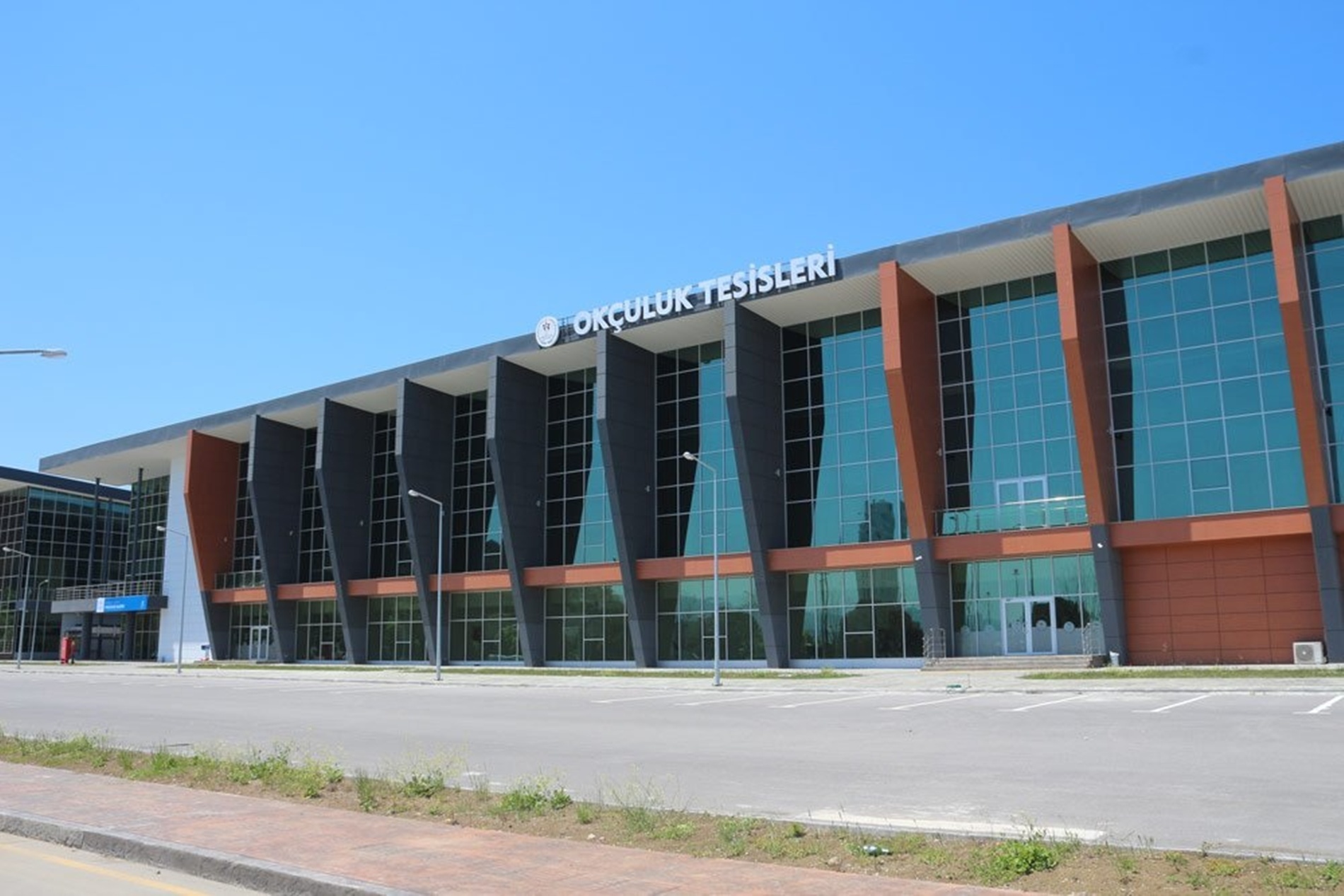
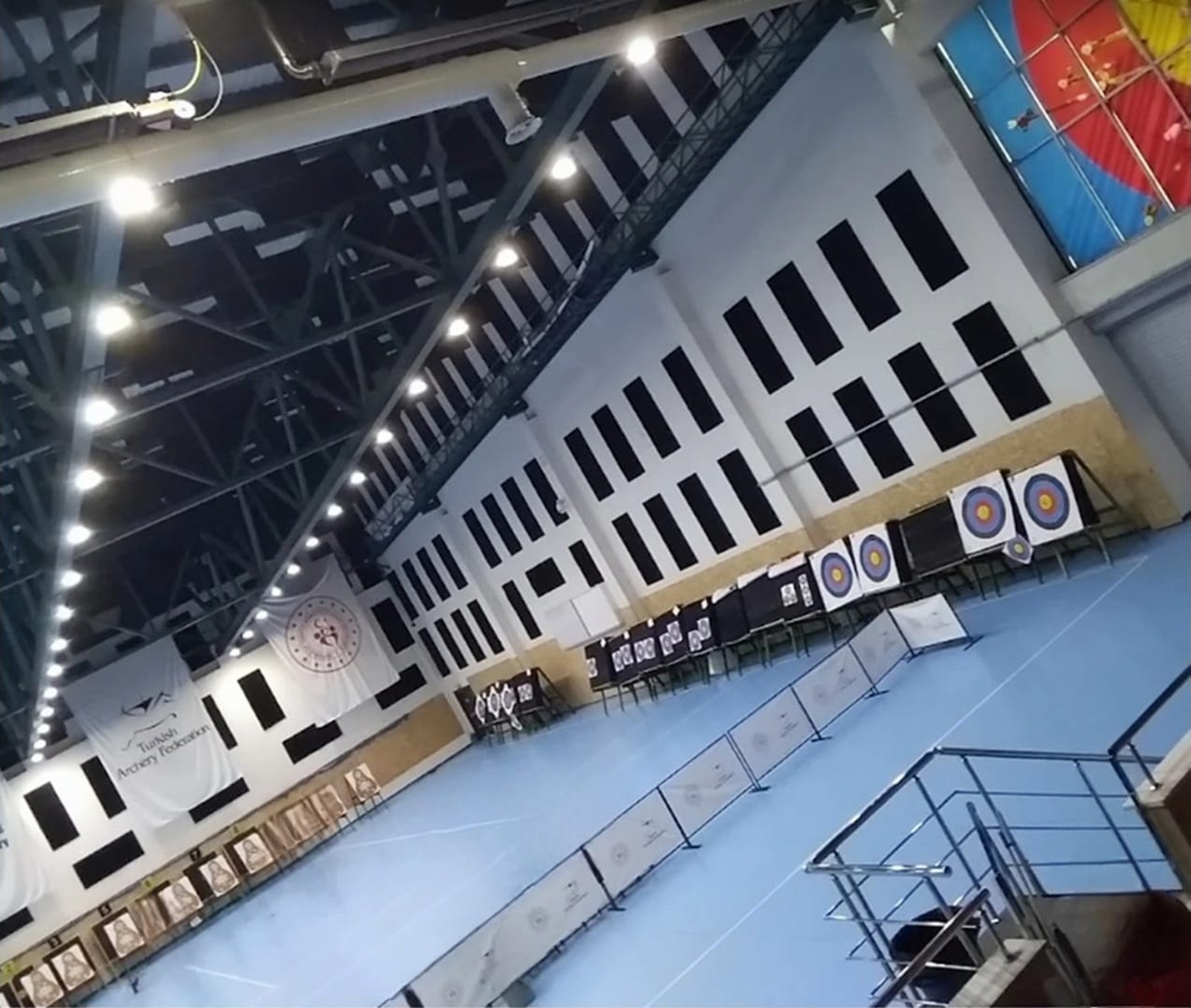
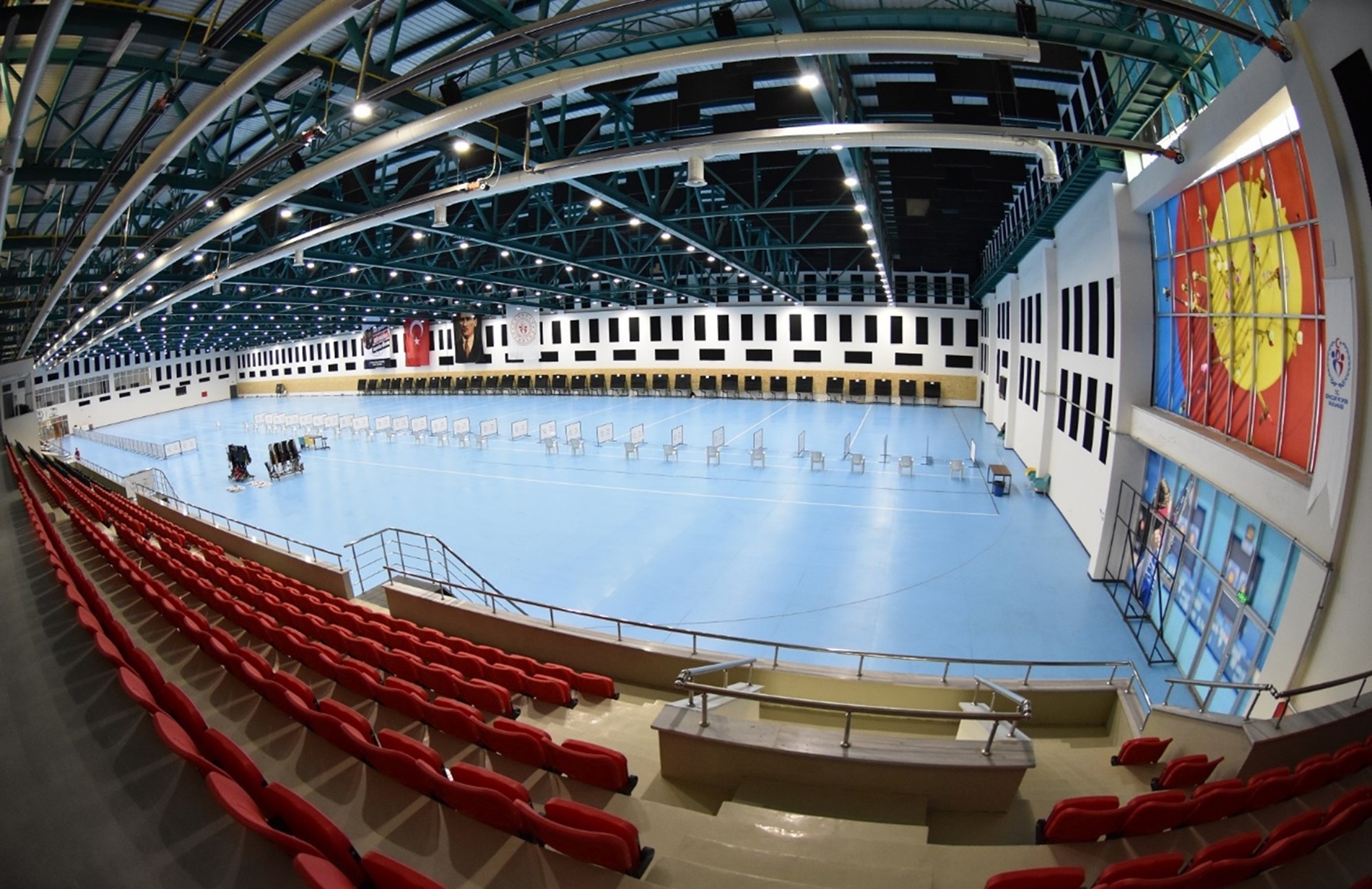
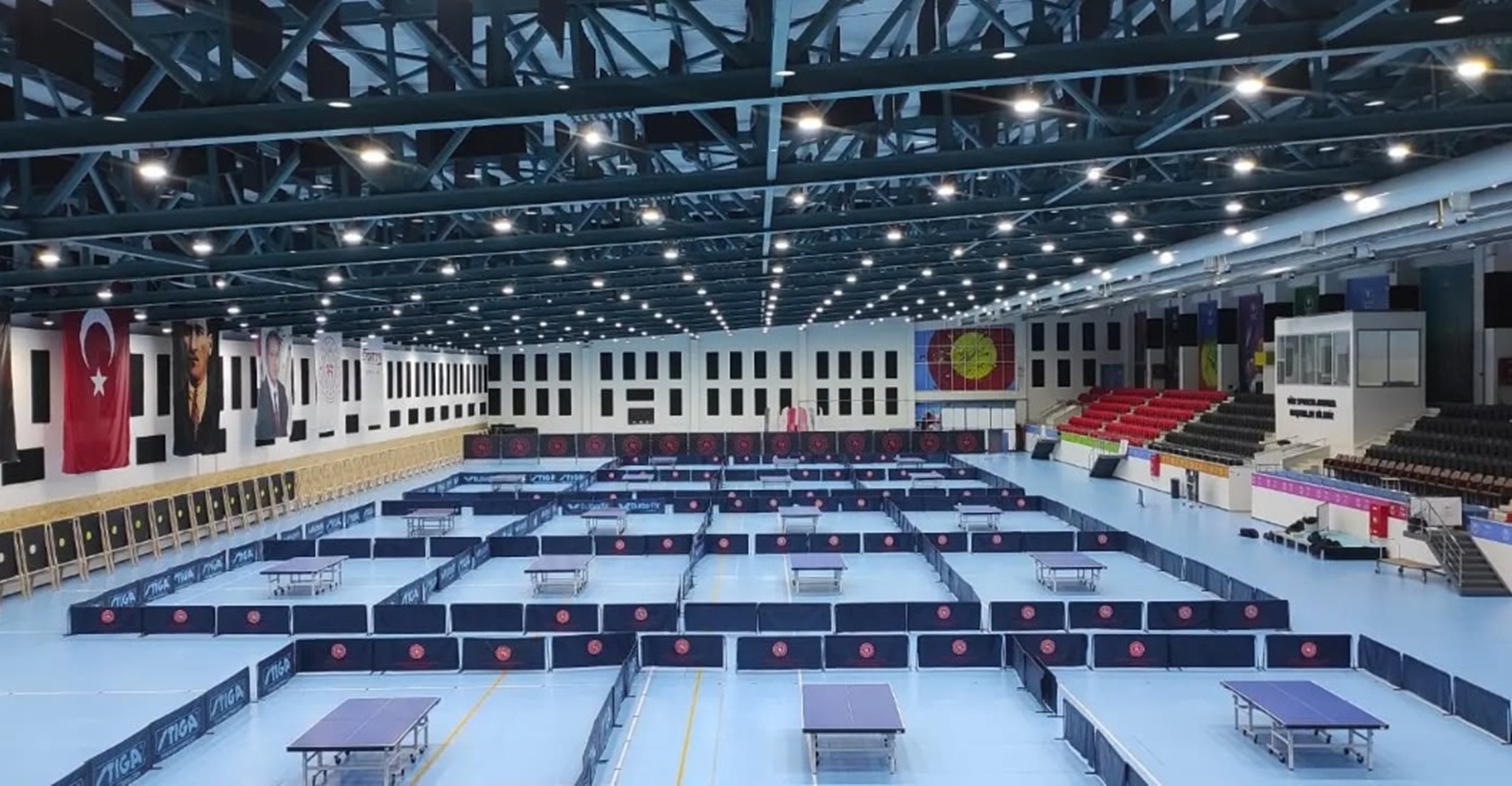
Samsun İlkadım Okçuluk Salonu
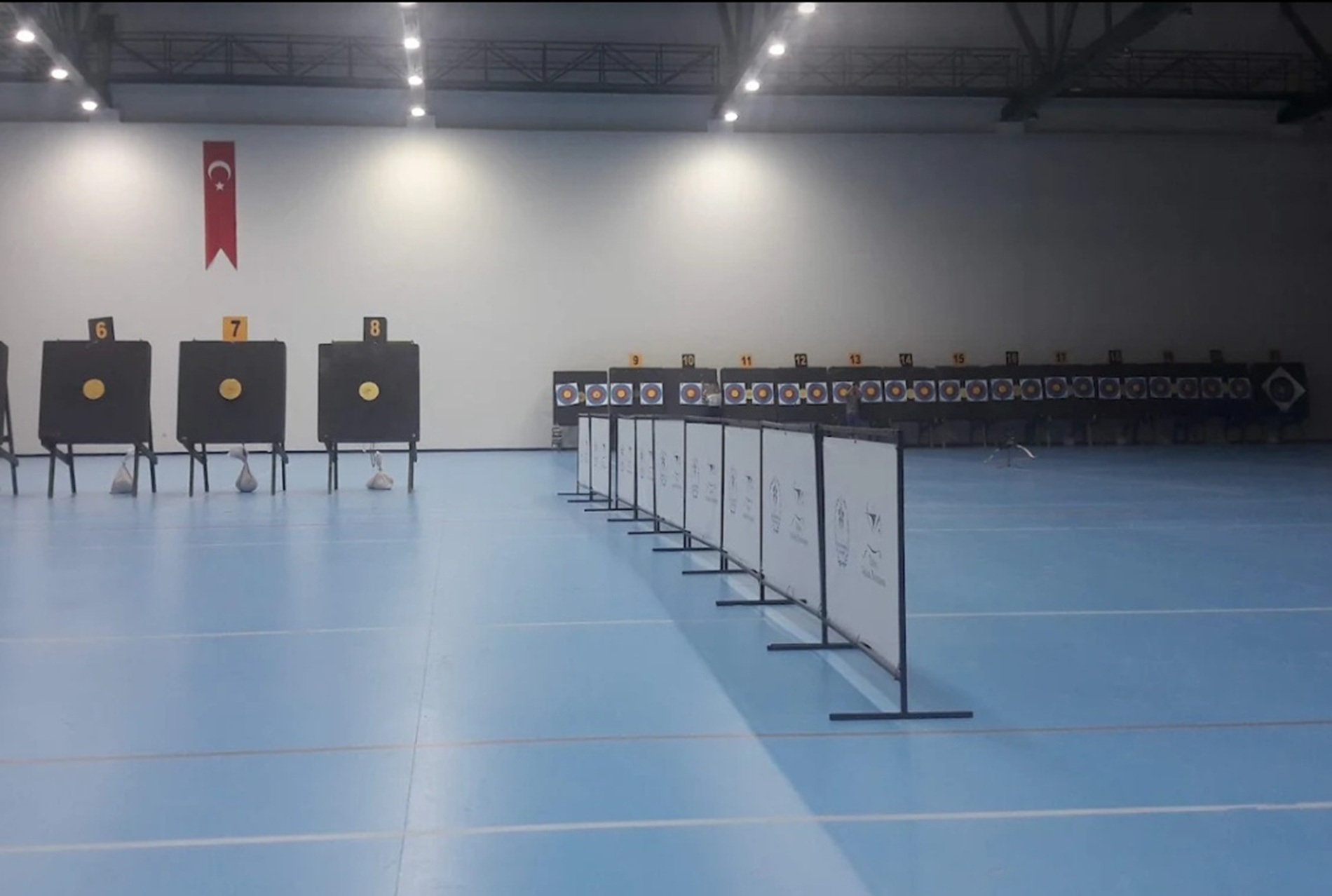
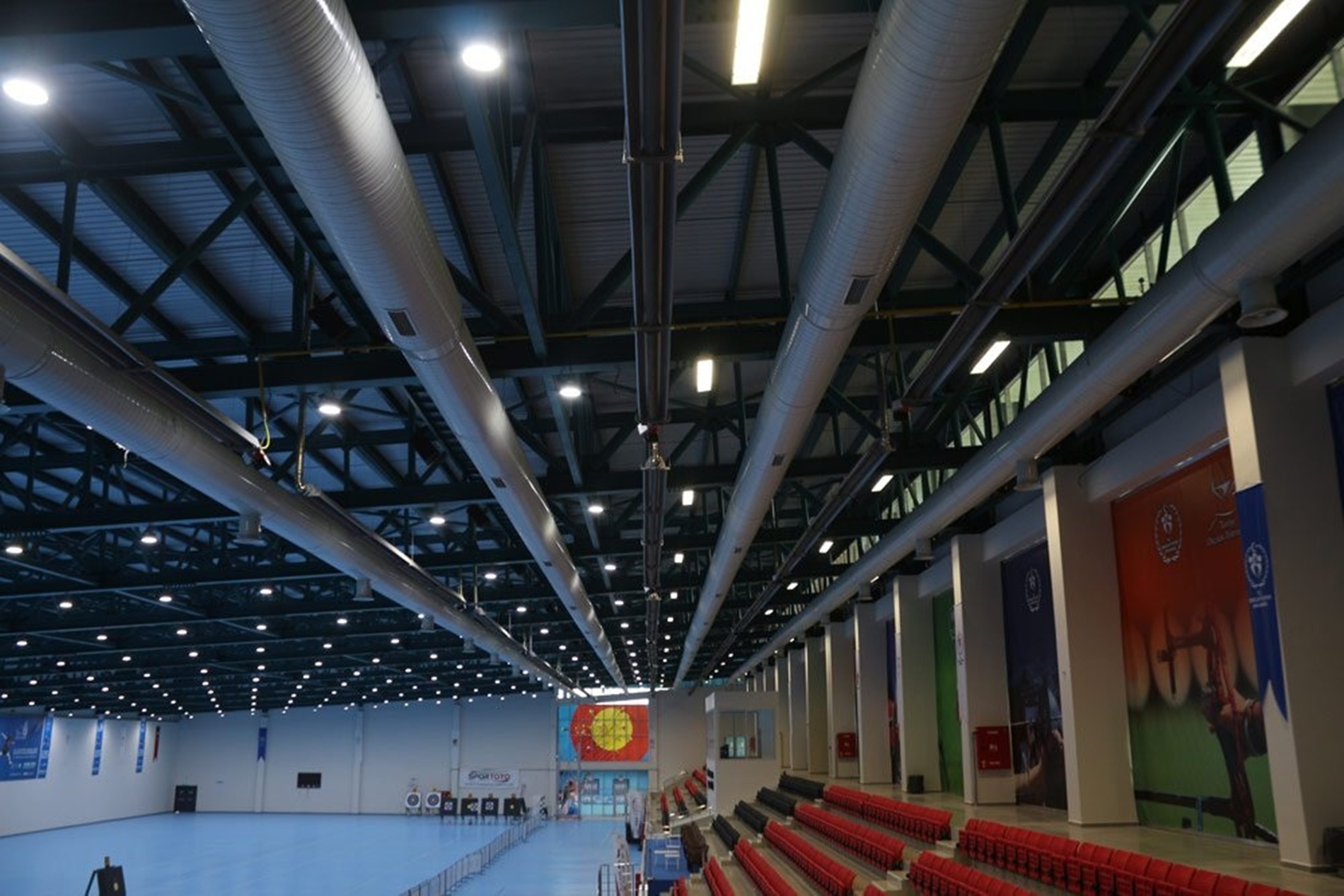
Samsun’un İlkadım ilçesinde bulunan Okçuluk Tesisleri, Gençlik Hizmetleri ve Spor İl Müdürlüğüne bağlıdır. Şehrin spora ilgisinin artması ve vatandaşların spor severlerin memnuniyeti amaçlanarak açılan salonlardan biri olan Samsun Okçuluk Tesisleri, 18 Temmuz 2017 tarihinden bu yana hizmet vermektedir. Şehir halkı, merkezi yerde bulunan ve ulaşımı kolay olan bu tesisten belirtilen gün ve saatlerde yararlanırlar. Ücretli olan Samsun Okçuluk Tesisleri’nden yararlanmak isteyen okçuluk sporu meraklıları belirli bir ücret ödeyerek tesisi kullanabilir, eğitim alabilirler. Samsun Okçuluk Tesisleri bünyesindeki eğitimler uzman eğitmenler tarafından verilmektedir. Okçuluk eğitimleri için açık alan bulunduğu gibi, kapalı salonda da eğitim alınabilmektedir. Aynı tesiste farklı spor dallarından eğitimler almak ve yararlanmak da mümkündür.
Konum
Adres: Baruthane Okçuluk Sahası, Yelken Klüp, Cedit Mahallesi, Samsun, İlkadım, Samsun, Karadeniz Bölgesi, 55030, Türkiye
Ziyaret Gün ve Saatleri
Aşağıda belirtilen gün ve saatler arasında ziyarete açıktır.
Erişilebilirlik Özellikleri
Engelsiz erişim imkânlarının ve rehber hizmetlerinin bulunup bulunmadığı bilgisine yer verilmiştir.
- Engelsiz Erişim
- Rehberlik Hizmeti
Ziyaret Notları
Samsun Okçuluk Tesisleri ücretli olup öncesinde randevu alınmalıdır. Belirtilen gün ve saatlerde açık ve kapalı spor alanında eğitimler yapılmaktadır. Öğrenciler dilerse özel ders alabilirler. Öğrenci grupları izleme amaçlı spor salonuna gelebilirler. Ziyaretçilerin güvenlik amacıyla eğitim alanının içine geçmeleri kesinlikle yasaktır. Kaygan zeminden dolayı öğrencilerin spor salonu içinde koşmamaları gerekmektedir. Spor Salonu içinde kafe alanı mevcuttur. Ziyaretçiler bu alanda yeme içme ihtiyacını giderebilirler. Kafe alanı dışında yeme ve içme yasaktır. Antrenmanlar yalnızca antrenör eşliğinde veya yetkili gözetiminde yapılmalıdır. Salon içerisinde okçuluk ekipmanları dışında başka spor malzemelerinin kullanımı yasaktır. Tüm sporcuların kendi güvenlik ekipmanlarını (kol koruyucu, parmaklık, vb.) eksiksiz kullanması zorunludur. Atış çizgisinden ileriye geçmek kesinlikle yasaktır. Salon içerisinde koşmak, yüksek sesle konuşmak veya diğer sporcuları rahatsız edecek davranışlarda bulunmak yasaktır. Ok ve yay taşıma sırasında dikkatli olunmalı, ekipmanlar gelişigüzel bırakılmamalıdır.
İletişim Bilgileri
Öğrenme Çıktıları
- HSAB.1. Farklı çevre ve fiziksel etkinliklerde büyük kas becerilerini etkin bir şekilde uygulayabilme
- HSAB.2. Farklı ebat ve özellikteki nesneleri etkin bir şekilde kullanabilme
- HSAB.3. Jimnastik, dans ve hareket etkinliklerinde ritmik beceriler sergileyebilme
- HSAB.4. Beden farkındalığına dayalı hareket edebilme
- HSAB.5. Kişisel ve genel alanın farkında olarak hareket edebilme
- HSAB.6. Eşle/grupla ahenk içinde hareket örüntüleri sergileyebilme
- HSAB.8. Aktif ve sağlıklı yaşam için gereken zindelik becerilerinin neler olduğunu söyleyebilme
- HSAB.9. Aktif ve sağlıklı yaşam için hareket edebilme
- HSAB.12. Hareketli oyunların temel kurallarını açıklayabilme
- T.K.1.2. Konuşmalarında içerik oluşturabilme
- T.D.1.1. Dinleme/izlemeyi yönetebilme
- T.D.1.3. Dinlediklerini/izlediklerini çözümleyebilme
- T.K.1.1. Konuşmalarını yönetebilme
- T.K.1.3. Konuşma kurallarını uygulayabilme
- HB.1.2.1. Sağlıklı büyüme ve gelişme için yapması gerekenleri belirleyebilme
- HB.2.2.1. Sağlıklı büyüme ve gelişme ile alışkanlıkları arasındaki ilişkiyi çözümleyebilme
- T.D.2.1. Dinleme/izlemeyi yönetebilme
- T.D.2.2. Dinledikleri ile ilgili anlam oluşturabilme
- T.D.2.3. Dinlediklerini/izlediklerini çözümleyebilme
- T.K.2.1. Konuşmalarını yönetebilme
- T.K.2.2. Konuşmalarında içerik oluşturabilme
- T.O.2.1. Okuma sürecini yönetebilme
- HB.3.2.1. Sağlığını korumaya yönelik davranışlarını düzenleyebilme
- T.D.3.1. Dinleme/izlemeyi yönetebilme
- T.D.3.2. Dinledikleri/izledikleri ile ilgili anlam oluşturabilme
- T.D.3.3. Dinlediklerini/izlediklerini çözümleyebilme
- T.K.3.1. Konuşmalarını yönetebilme
- T.K.3.2. Konuşmalarında içerik oluşturabilme
- T.K.3.3. Konuşma kurallarını uygulayabilme
- SB.4.3.3. Yakın çevresindeki ortak miras ögelerini tanımanın önemini yorumlayabilme
- T.D.4.1. Dinleme/izlemeyi yönetebilme
- T.D.4.2. Dinledikleri/izledikleri ile ilgili anlam oluşturabilme
- T.D.4.3 Dinlediklerini/izlediklerini çözümleyebilme
- T.D.4.5. Dinleme/izleme sürecini değerlendirebilme
- T.K.4.2. Konuşmalarında içerik oluşturabilme
- T.K.4.3. Konuşma kurallarını uygulayabilme
- SB.5.3.1. Yaşadığı ildeki ortak miras ögelerine ilişkin oluşturduğu ürünü paylaşabilme
- T.D.5.1. Dinlemede/izlemede materyal seçimini yönetebilme
- T.D.5.2. Dinlemede/izlemede strateji ve yöntem seçimlerini yönetebilme
- T.D.5.6. Görselle iletilen anlamı belirleyebilme
- T.D.5.9. Dinlediğini/izlediğini kendi içinde karşılaştırabilme
- T.D.5.11. Dinlediğindeki/izlediğindeki unsurları sınıflandırabilme
- T.D.5.15. Bilgilendirici metinde anahtar kelimeleri belirlemeye yönelik çözümleme yapabilme
- T.D.5.21. Dinlediğini/izlediğini özetleyebilme
- SB.6.3.1. Türkistan’da kurulan ilk Türk devletlerinin medeniyetimize katkılarını sorgulayabilme
- ENG.6.5.L1. Students can get ready for the listening/watching-comprehension process for the current content on “life in the neighbourhood and the city with festivals and events (sports, music, arts) in the neighbourhood and city; transportation in the neighbourhood and the city” carefully.
- ENG.6.5.L2. Students can bring information about the current content on “life in the neighbourhood and the city with festivals and events (sports, music, arts) in the neighbourhood and city; transportation in the neighbourhood and the city” together through significant details and main components while listening/watching it.
- ENG.6.5.L3. Students can make meaning of/derive meaning from the current content on “life in the neighbourhood and the city with festivals and events (sports, music, arts) in the neighbourhood and city; transportation in the neighbourhood and the city” through significant details by listening/watching it carefully.
- ENG.6.5.L4. Students can convey their knowledge, experience, thoughts, and feelings examined carefully about the whole listening/watching-comprehension process in relation to the current content on “life in the neighbourhood and the city with festivals and events (sports, music, arts) in the neighbourhood and city; transportation in the neighbourhood and the city”.
- ENG.6.5.P1. Students can select and use the target phonological elements of the current content about “life in the neighbourhood and the city with festivals and events (sports, music, arts) in the neighbourhood and city; transportation in the neighbourhood and the city” accurately, authentically, and naturally through spontaneous decision-making processes and use it in an appropriate and effective way when communicating with others.
- ENG.6.5.R1. Students can get ready for the reading-comprehension process about the current content on “life in the neighbourhood and the city with festivals and events (sports, music, arts) in the neighbourhood and city; transportation in the neighbourhood and the city”.
- ENG.6.5.R2. Students can bring information about the current content on “life in the neighbourhood and the city with festivals and events (sports, music, arts) in the neighbourhood and city; transportation in the neighbourhood and the city” through skimming (looking quickly at) the audio-visual elements and reading the content very quickly.
- ENG.6.5.R3. Students can make meaning of / derive meaning from the current content about “life in the neighbourhood and the city with festivals and events (sports, music, arts) in the neighbourhood and city; transportation in the neighbourhood and the city” by reading it carefully.
- ENG.6.5.R4. Students can convey their knowledge, experiences, thoughts, and feelings related to the reading-comprehension process about the current content, “life in the neighbourhood and the city with festivals and events (sports, music, arts) in the neighbourhood and city; transportation in the neighbourhood and the city” in relation to themselves or others, both individually and/or with others.
- ENG.6.5.V1. Students can select and use the target vocabulary of the current content about “life in the neighbourhood and the city with festivals and events (sports, music, arts) in the neighbourhood and city; transportation in the neighbourhood and the city” accurately, authentically, spontaneously, and naturally and use it appropriately and effectively when communicating with others.
- ENG.6.5.G1. Students can select and use the target grammatical elements of the current content about “life in the neighbourhood and the city with festivals and events (sports, music, arts) in the neighbourhood and city; transportation in the neighbourhood and the city” accurately, authentically, spontaneously, and naturally and use it appropriately and effectively when communicating with others.
- ENG.6.5.W1. Students can get ready for the writing-expression process about the current content on “life in the neighbourhood and the city with festivals and events (sports, music, arts) in the neighbourhood and city; transportation in the neighbourhood and the city”.
- ENG.6.5.S1. Students can get ready for speaking-expression process about the current content on “life in the neighbourhood and the city with festivals and events (sports, music, arts) in the neighbourhood and city; transportation in the neighbourhood and the city”.
- ENG.6.5.L1. Students can get ready for the listening/watching-comprehension process for the current content on “life in the neighbourhood, city and social life with different lifestyles in the city and rural areas; sports events in the city and rural areas” carefully.
- ENG.6.5.L2. Students can bring information about the current content on “life in the neighbourhood, city and social life with different lifestyles in the city and rural areas; sports events in the city and rural areas” together through significant details and main components while listening (to)/ watching it.
- ENG.6.5.L3. Students can make meaning of/derive meaning from the current content on “life in the neighbourhood, city and social life with different lifestyles in the city and rural areas; sports events in the city and rural areas” through significant details by listening (to)/watching it carefully.
- ENG.6.5.L4. Students can convey their knowledge, experience, thoughts, and feelings examined carefully about the whole listening/watching-comprehension process in relation to the current content on “life in the neighbourhood, city and social life with different lifestyles in the city and rural areas; sports events in the city and rural areas”.
- ENG.6.5.P1. Students can select and use the target phonological elements of the current content about “life in the neighbourhood, city and social life with different lifestyles in the city and rural areas; sports events in the city and rural areas” accurately, authentically, and naturally through spontaneous decision-making processes and use it in an appropriate and effective way when communicating with others.
- ENG.6.5.R1. Students can get ready for the reading-comprehension process about the current content on “life in the neighbourhood, city and social life with different lifestyles in the city and rural areas; sports events in the city and rural areas”.
- ENG.6.5.R2. Students can bring information about the current content on “life in the neighbourhood, city and social life with different lifestyles in the city and rural areas; sports events in the city and rural areas” through skimming (looking quickly at) the audio-visual elements and reading the content very quickly.
- ENG.6.5.R3. Students can make meaning of / derive meaning from the current content about “life in the neighbourhood, city and social life with different lifestyles in the city and rural areas; sports events in the city and rural areas” by reading it carefully.
- ENG.6.5.R4. Students can convey their knowledge, experiences, thoughts, and feelings related to the reading-comprehension process about the current content, “life in the neighbourhood, city and social life with different lifestyles in the city and rural areas; sports events in the city and rural areas” in relation to themselves or others, both individually and/or with others.
- ENG.6.5.V1. Students can select and use the target vocabulary of the current content about “life in the neighbourhood, city and social life with different lifestyles in the city and rural areas; sports events in the city and rural areas” accurately, authentically, spontaneously, and naturally and use it appropriately and effectively when communicating with others.
- ENG.6.5.G1. Students can select and use the target grammatical elements of the current content about “life in the neighbourhood, city and social life with different lifestyles in the city and rural areas; sports events in the city and rural areas” accurately, authentically, spontaneously, and naturally and use it appropriately and effectively when communicating with others.
- ENG.6.5.W1. Students can get ready for the writing-expression process about the current content on “life in the neighbourhood, city and social life with different lifestyles in the city and rural areas; sports events in the city and rural areas”.
- ENG.6.5.S1. Students can get ready for speaking-expression process about the current content on “life in the neighbourhood, city and social life with different lifestyles in the city and rural areas; sports events in the city and rural areas”.
- ENG.7.4.L1. Students can prepare and get ready for listening (to)/watching about the current content on “family life and home with family members’ hobbies (sports, books, films, music, cooking); generation gap in the family: problems and solutions”.
- ENG.7.4.L2. Students can bring together the information in the current content on “family life and home with family members’ hobbies (sports, books, films, music, cooking); generation gap in the family: problems and solutions”.
- ENG.7.4.L3. Students can make sense of and derive meaning from the current content on “family life and home with family members’ hobbies (sports, books, films, music, cooking); generation gap in the family: problems and solutions”.
- ENG.7.4.L4. Students can reflect on the information, experiences, thoughts, ideas, and feelings related to the listening (to)/watching process about the current content on “family life and home with family members’ hobbies (sports, books, films, music, cooking); generation gap in the family: problems and solutions” in relation to themselves or others, both individually and/or with others.
- ENG.7.4.P1. Students can select and use target phonological aspects such as pronunciation and intonation of target sounds, words, phrases, clauses, and sentences in utterances authentically, naturally, and accurately in the current content about “family life and home with family members’ hobbies (sports, books, films, music, cooking); generation gap in the family: problems and solutions” to develop holistic and conscious pronunciation skills after recognising them in context.
- ENG.7.4.R1. Students can prepare for reading the content on “family life and home with family members’ hobbies (sports, books, films, music, cooking); generation gap in the family: problems and solutions” efficiently and effectively.
- ENG.7.4.R2. Students can bring information together about the current content on “family life and home with family members’ hobbies (sports, books, films, music, cooking); generation gap in the family: problems and solutions” through skimming, scanning and detailed reading.
- ENG.7.4.R3. Students can make sense of and derive meaning from the current content on “family life and home with family members’ hobbies (sports, books, films, music, cooking); generation gap in the family: problems and solutions”.
- ENG.7.4.R4. Students can reflect on the information, experiences, thoughts, ideas, and feelings related to the reading process about the current content on “family life and home with family members’ hobbies (sports, books, films, music, cooking); generation gap in the family: problems and solutions” in relation to themselves or others, both individually and/or with others.
- ENG.7.4.V1. Students can select and use target vocabulary efficiently, effectively, and accurately, based on the current content about “family life and home with family members’ hobbies (sports, books, films, music, cooking); generation gap in the family: problems and solutions” after recognising them in context and developing their conscious and inductive vocabulary learning skills.
- ENG.7.4.G1. Students can select and use target grammatical language items efficiently, effectively, and accurately, based on the current content about “family life and home with family members’ hobbies (sports, books, films, music, cooking); generation gap in the family: problems and solutions”, after recognising them in context and developing their conscious and inductive grammaring skills through consciousness-raising and discovery.
- ENG.7.4.W1. Students can prepare for writing efficiently and accurately based on the current content about “family life and home with family members’ hobbies (sports, books, films, music, cooking); generation gap in the family: problems and solutions”.
- ENG.7.4.S1. Students can prepare themselves to speak meaningfully, fluently, and efficiently about the current content on “family life and home with family members’ hobbies (sports, books, films, music, cooking); generation gap in the family: problems and solutions”.
- T.K.8.7. Yaratıcı konuşma yapabilme
- T.K.8.8. Hazırlıksız konuşma yapabilme
- ENG.8.5.L1. Students can prepare and get ready for listening (to)/watching about the current content on “life in the neighbourhood and city including social life with sports events in the city and rural areas; pros and cons of living in rural areas and in the city”.
- ENG.8.5.L2. Students can bring together the information in the current content on “life in the neighbourhood and city including social life with sports events in the city and rural areas; pros and cons of living in rural areas and in the city”.
- ENG.8.5.L3. Students can make sense of and derive meaning from the current content on “life in the neighbourhood and city including social life with sports events in the city and rural areas; pros and cons of living in rural areas and in the city”.
- ENG.8.5.L4. Students can reflect on the information, experiences, thoughts, ideas, and feelings related to the listening (to)/watching process about the current content on “life in the neighbourhood and city including social life with sports events in the city and rural areas; pros and cons of living in rural areas and in the city” in relation to themselves or others, both individually and/ or with others.
- ENG.8.5.P1. Students can select and use target phonological aspects such as pronunciation and intonation of target sounds, words, phrases, clauses, and sentences in utterances authentically, naturally, and accurately in the current content about “life in the neighbourhood and city including social life with sports events in the city and rural areas; pros and cons of living in rural areas and in the city” to develop holistic and conscious pronunciation skills after recognising them in context.
- ENG.8.5.R1. Students can prepare for reading the content on “life in the neighbourhood and city including social life with sports events in the city and rural areas; pros and cons of living in rural areas and in the city” efficiently and effectively.
- ENG.8.5.R2. Students can bring information together about the current content on “life in the neighbourhood and city including social life with sports events in the city and rural areas; pros and cons of living in rural areas and in the city” through skimming, scanning and detailed reading.
- ENG.8.5.R3. Students can make sense of and derive meaning from the current content on “life in the neighbourhood and city including social life with sports events in the city and rural areas; pros and cons of living in rural areas and in the city”.
- ENG.8.5.R4. Students can reflect on the information, experiences, thoughts, ideas, and feelings related to the reading process about the current content on “life in the neighbourhood and city including social life with sports events in the city and rural areas; pros and cons of living in rural areas and in the city” in relation to themselves or others, both individually and/or with others.
- ENG.8.5.V1. Students can select and use target vocabulary efficiently, effectively, and accurately, based on the current content about “life in the neighbourhood and city including social life with sports events in the city and rural areas; pros and cons of living in rural areas and in the city” after recognising them in context and developing their conscious and inductive vocabulary learning skills.
- ENG.8.5.G1. Students can select and use target grammatical language items efficiently, effectively, and accurately, based on the current content about “life in the neighbourhood and city including social life with sports events in the city and rural areas; pros and cons of living in rural areas and in the city”, after recognising them in context and developing their conscious and inductive grammaring skills through consciousness-raising and discovery.
- ENG.8.5.W1. Students can prepare for writing efficiently and accurately based on the current content about “life in the neighbourhood and city including social life with sports events in the city and rural areas; pros and cons of living in rural areas and in the city”.
- ENG.8.5.S1. Students can prepare themselves to speak meaningfully, fluently, and efficiently about the current content on “life in the neighbourhood and city including social life with sports events in the city and rural areas; pros and cons of living in rural areas and in the city”.