


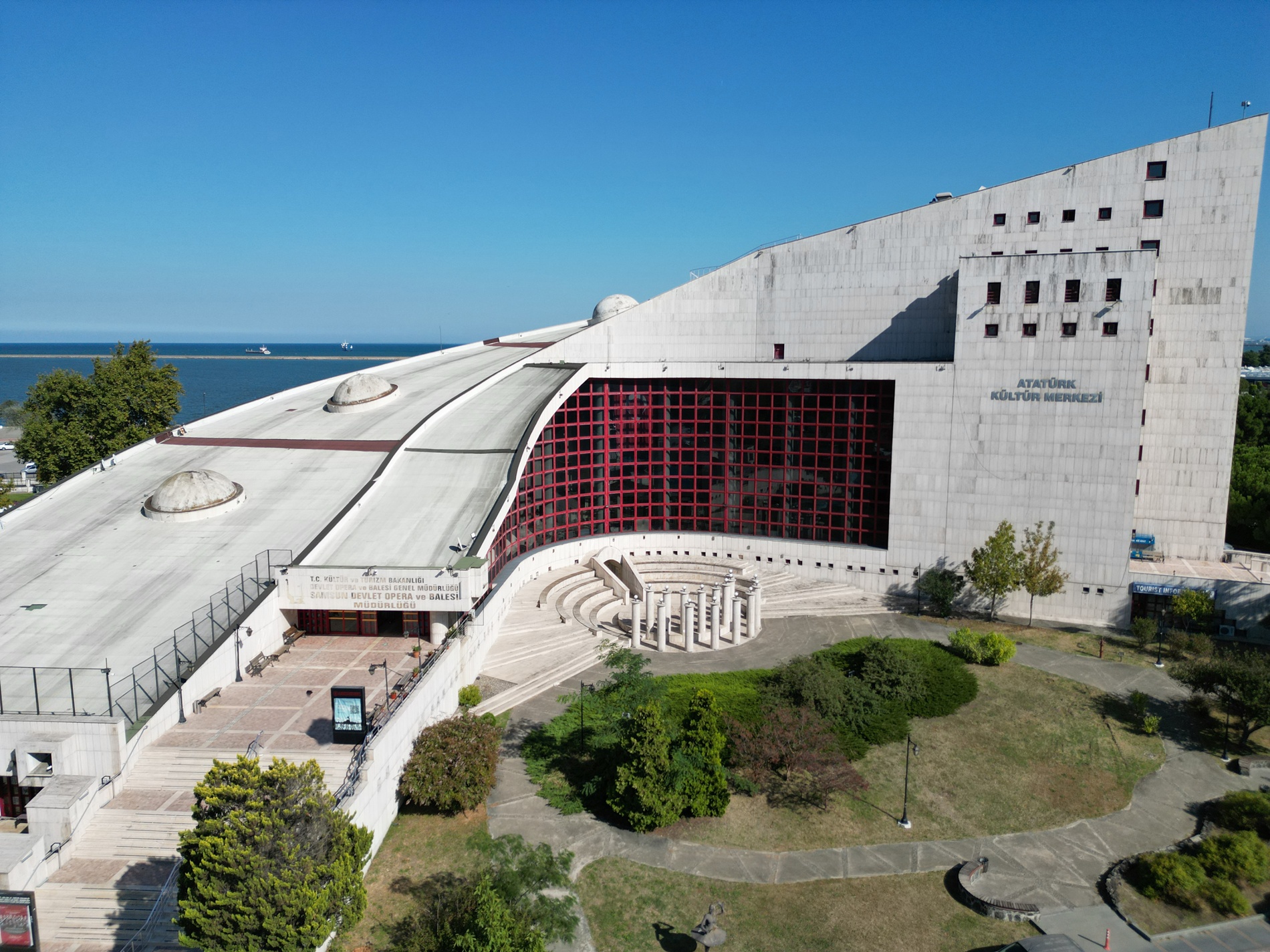
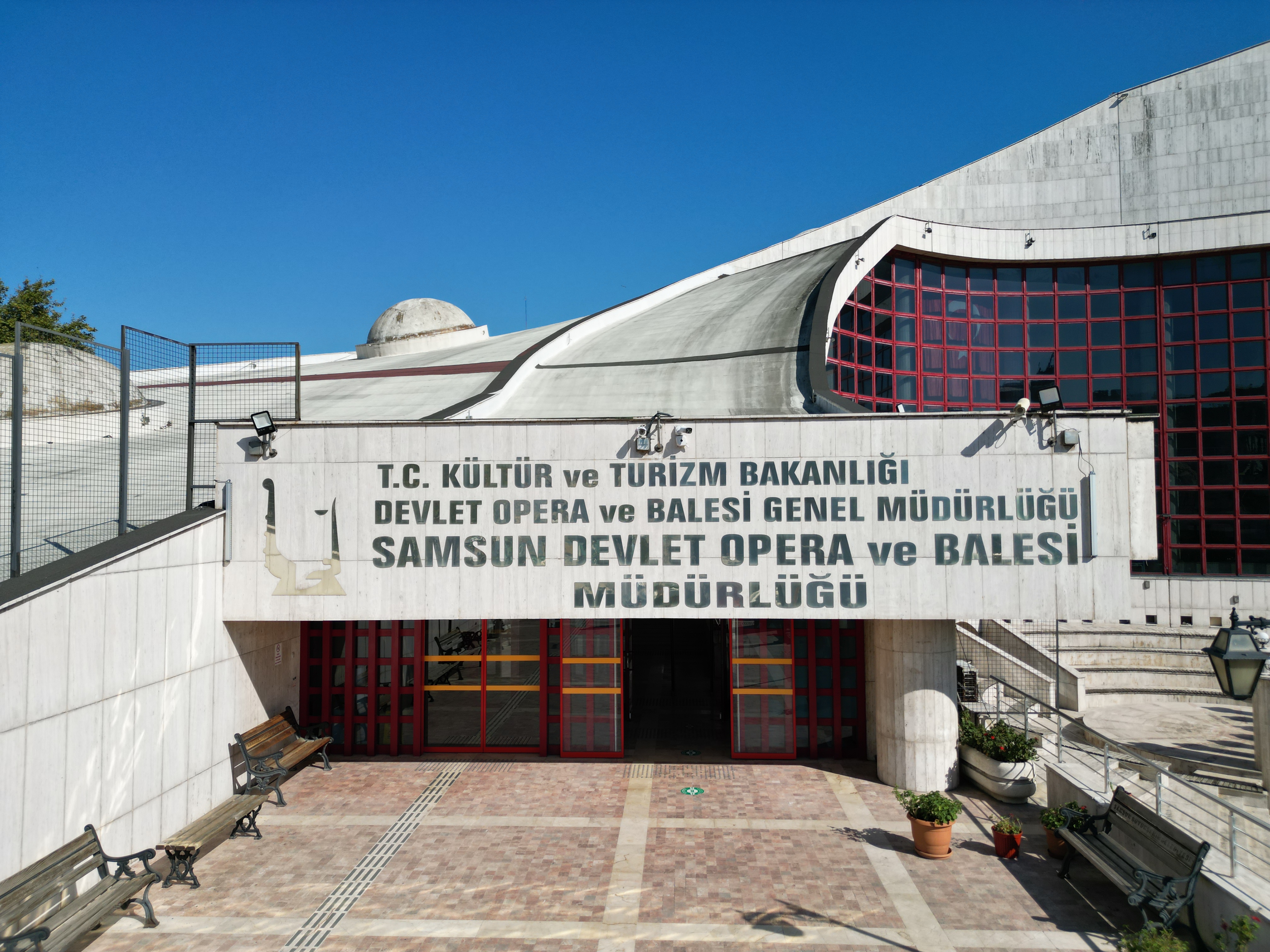
Samsun Devlet Opera ve Balesi
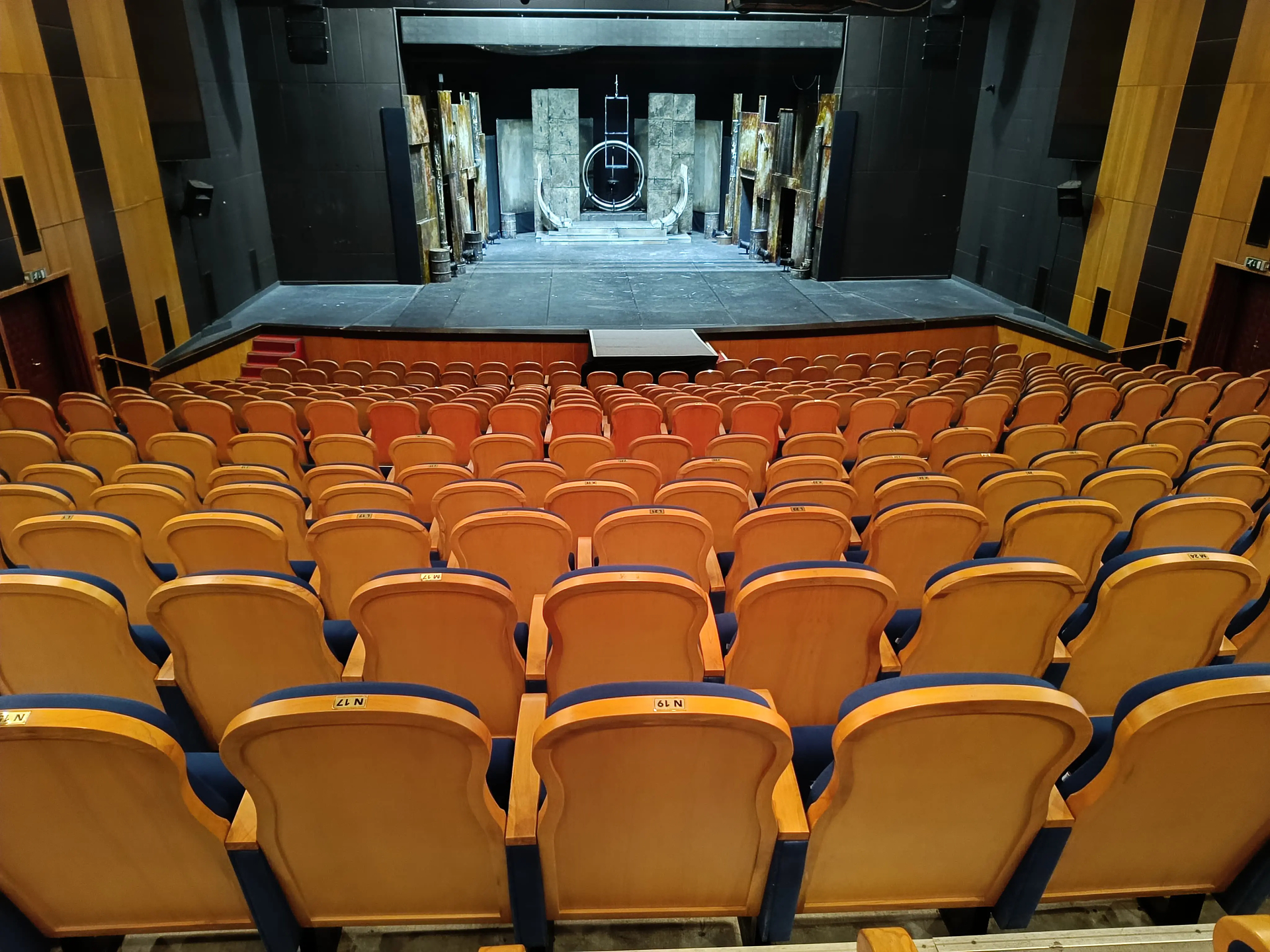
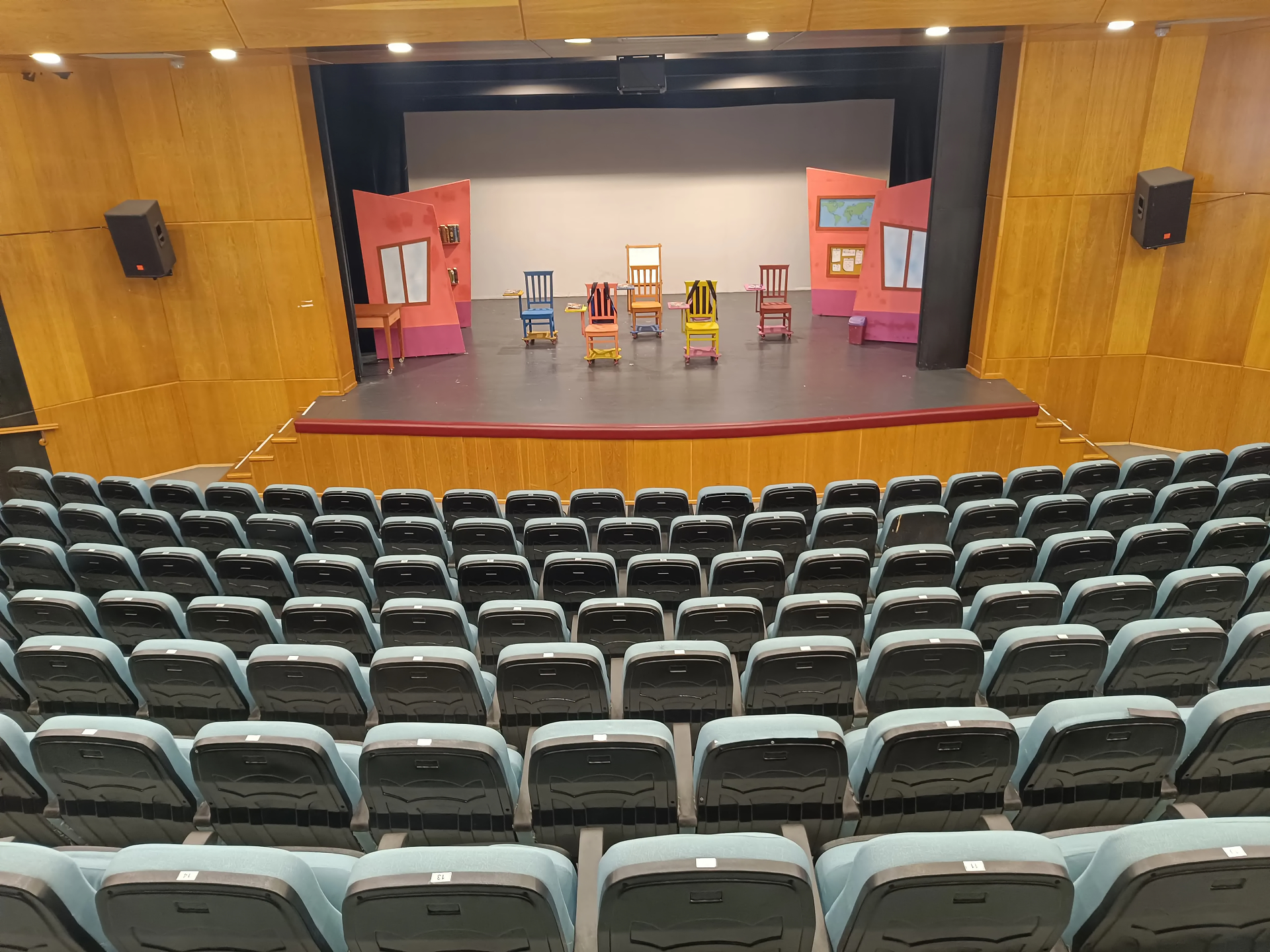
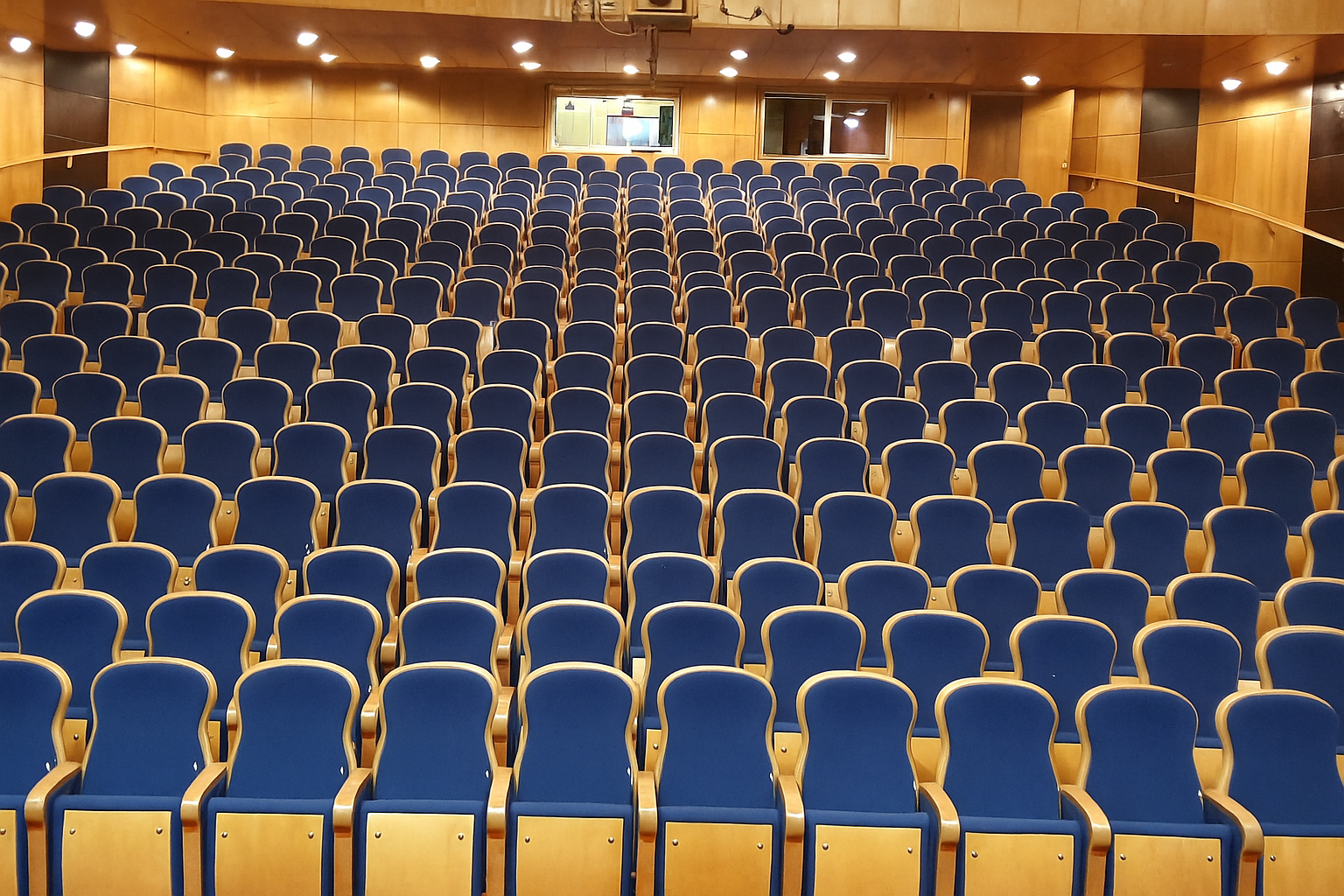
Samsun Atatürk Kültür Merkezi, Müdürlüğümüz ve Bakanlığımızın diğer birimleri (Samsun Devlet Klasik Türk Müziği Korosu Müdürlüğü, Devlet Tiyatrosu Genel Müdürlüğü, Atatürk İlçe Halk Kütüphanesi, Güzel Sanatlar Galerisi ve Turizm Enformasyon Bürosu) ile hizmet binası olarak ortaklaşa kullanmaktadır. Binanın bünyesinde; 590 m2 fuaye, 340 m2 salon, 560 m2 sahne alanına ve 509 koltuk kapasiteli Aydın GÜN Salonu ile konferans salonu özelliği taşıyan 480 m2 fuaye, 170 m2 salon, 180 m2 sahne alanı ve 212 koltuk kapasiteli Zehra YILDIZ Salonu bulunmaktadır.
Konum
Adres: Atatürk Kültür Merkezi, Fuar Caddesi, Kale Mahallesi, Samsun, İlkadım, Samsun, Karadeniz Bölgesi, 55030, Türkiye
Ziyaret Gün ve Saatleri
Aşağıda belirtilen gün ve saatler arasında ziyarete açıktır.
Erişilebilirlik Özellikleri
Engelsiz erişim imkânlarının ve rehber hizmetlerinin bulunup bulunmadığı bilgisine yer verilmiştir.
- Engelsiz Erişim
- Rehberlik Hizmeti
Ziyaret Notları
Kurumumuza yapılacak ziyaretlerde önceden randevu alınması ve ziyaretçi sayısı konusunda bilgi verilmelidir. Kurumumuza yapılan ziyaretler ücretsizdir fakat temsil ve gösteriler ücrete tabidir. Kurumumuza dışardan yiyecek içecek getirilmesi, yüksek sesle konuşulması, koşulması yasaktır. Dileyen ziyaretçiler kurum içindeki ücretli kafeden yararlanabilirler. Öğrencilerimizin kaygan zemin ve merdivenler konusunda dikkatli olmaları, ziyaret esnasında rehberle birlikte ziyaretlerini gerçekleştirmeleri, ziyaret alanlarının dışına çıkmamaları önerilir. Ziyaretçilerimiz kurum çevresinde yer alan ücretli restoran alanlarından yararlanabilirler.
İletişim Bilgileri
Öğrenme Çıktıları
- SNAB.1. Temel sanat kavramlarını ve türlerini anlayabilme
- SNAB.2. Sanat eseri inceleyebilme
- SNAB.3. Sanat eserlerine ve sanatçılara değer verebilme
- SNAB.4. Sanat etkinliği uygulayabilme
- MDB.1. Çeşitli çocuk şarkılarını/çocuk şarkısı formlarını dinleyebilme
- MDB.2. Dinlediği çocuk şarkılarına/çocuk şarkısı formlarına dair duygu ve düşüncelerini ifade edebilme
- MDB.3. Duyduğu seslerin kaynağını anlayabilme
- MDB.4. Dinlediği sözlü/ sözsüz müzik eserlerindeki/çocuk şarkılarındaki özellikleri fark edebilme
- MSB.1. Duyduğu sesleri kendi sesiyle taklit edebilme
- MSB.2. Çocuk şarkılarındaki/çocuk şarkısı formlarındaki özellikleri fark ederek söyleyebilme
- MÇB.2. Çalacağı çalgılara/ritimlere/ezgilere/çocuk şarkılarına/çocuk şarkısı formlarına dair duygu ve düşüncelerini ifade edebilme
- MÇB.3. Çaldığı ritimlerdeki/ezgilerdeki/çocuk şarkılarındaki/çocuk şarkısı formlarındaki özellikleri fark edebilme
- MÇB.4. Müziksel çalma becerilerini sergileyebilme
- MHB.1. Harekete ve dansa eşlik eden ritimlere/müzik eserlerine/çocuk şarkılarına/çocuk şarkısı formlarına dair duygu ve düşüncelerini ifade edebilme
- MHB.2. Harekete ve dansa eşlik eden ritimlerdeki/ müzik eserlerindeki/çocuk şarkılarındaki/çocuk şarkısı formlarındaki özellikleri fark edebilme
- MHB.3. Müzik ve ritimlerle hareket ve dans edebilme
- SAB.8.Yakın çevresinde oluşan gruplarla sosyal temas oluşturabilme
- TADB.1. Dinleyecekleri/izleyecekleri şiir, hikâye, tekerleme, video, tiyatro, animasyon gibi materyalleri yönetebilme
- TADB.2. Dinledikleri/izledikleri şiir, hikâye, tekerleme, video, tiyatro, animasyon gibi materyalleri ile ilgili yeni anlamlar oluşturabilme
- TADB.3. Dinledikleri/izledikleri şiir, hikâye, tekerleme, video, tiyatro, animasyon gibi materyalleri çözümleyebilme
- TADB.4. Dinledikleri/izledikleri şiir, hikâye, tekerleme, video, tiyatro, animasyon gibi materyaller ve dinleme/izleme ortamına ilişkin görüşlerini yansıtabilme
- T.K.1.1. Konuşmalarını yönetebilme
- T.D.1.1. Dinleme/izlemeyi yönetebilme
- T.D.1.3. Dinlediklerini/izlediklerini çözümleyebilme
- T.K.1.2. Konuşmalarında içerik oluşturabilme
- T.K.1.3. Konuşma kurallarını uygulayabilme
- T.D.2.1. Dinleme/izlemeyi yönetebilme
- T.D.2.2. Dinledikleri/izledikleri ile ilgili anlam oluşturabilme
- T.D.2.3. Dinledikleri/izlediklerini çözümleyebilme
- T.K.2.1. Konuşmalarını yönetebilme
- T.K.2.2. Konuşmalarında içerik oluşturabilme
- T.K.2.3. Konuşma kurallarını uygulayabilme
- T.D.4.1. Dinleme/izlemeyi yönetebilme
- T.D.4.2. Dinledikleri/izledikleri ile ilgili anlam oluşturabilme
- T.D.4.3. Dinlediklerini/izlediklerini çözümleyebilme
- T.K.4.1. Konuşmalarını yönetebilme
- T.K.4.2. Konuşmalarında içerik oluşturabilme
- T.K.4.3. Konuşma kurallarını uygulayabilme
- SB.4.3.3. Yakın çevresindeki ortak miras ögelerini tanımanın önemini yorumlayabilme
- İHVD.4.1.1. Çocuk olmanın özelliklerini belirleyebilme
- İHVD.4.1.2. Çocuk haklarıyla ilgili kanıta dayalı olarak oluşturduğu ürünü paylaşabilme
- İHVD.4.1.3. İnsan olmanın getirdiği temel hak ve özgürlükleri yorumlayabilme
- İHVD.4.2.2. Adalet ve eşitlik arasındaki ilişkiyi yorumlayabilme
- İHVD.4.3.1. Vatandaş olmanın getirdiği hak ve özgürlükleri yorumlayabilme
- SB.5.3.1. Yaşadığı ildeki ortak miras ögelerine ilişkin oluşturduğu ürünü paylaşabilme
- ENG.5.4.L1. Students can get ready for the listening/watching-comprehension process for the current content on “family life with family members’ routines; family members’ hobbies and activities” carefully.
- ENG.5.4.L2. Students can bring information about the current content on “family life with family members’ routines; family members’ hobbies and activities” together through significant details and main components while listening/watching it.
- ENG.5.4.L3. Students can make meaning of/derive meaning from the current content on “family life with family members’ routines; family members’ hobbies and activities” through significant details by listening/watching it carefully.
- ENG.5.4.L4. Students can convey their knowledge, experience, thoughts, and feelings examined carefully about the whole listening/watching-comprehension process in relation to the current content on “family life with family members’ routines; family members’ hobbies and activities”.
- ENG.5.4.P1. Students can select and use the target phonological elements of the current content about “family life with family members’ routines; family members’ hobbies and activities” accurately, authentically, and naturally through spontaneous decision-making processes and use it in an appropriate and effective way when communicating with others.
- ENG.5.4.R1. Students can get ready for the writing-comprehension process about the current content on “family life with family members’ routines; family members’ hobbies and activities”.
- ENG.5.4.R2. Students can bring information about the current content on “family life with family members’ routines; family members’ hobbies and activities” through skimming (looking quickly at) the audio-visual elements and reading the content very quickly.
- ENG.5.4.R3. Students can make meaning of / derive meaning from the current content about “family life with family members’ routines; family members’ hobbies and activities” by reading it carefully.
- ENG.5.4.R4. Students can convey their knowledge, experiences, thoughts, and feelings related to the reading-comprehension process about the current content, “family life with family members’ routines; family members’ hobbies and activities” in relation to themselves or others, both individually and/or with others.
- ENG.5.4.V1. Students can select and use the target vocabulary of the current content about “family life with family members’ routines; family members’ hobbies and activities” accurately, authentically, spontaneously, and naturally and use it appropriately and effectively when communicating with others.
- ENG.5.4.G1. Students can select and use the target grammatical elements of the current content about “family life with family members’ routines; family members’ hobbies and activities” accurately, authentically, spontaneously, and naturally and use it appropriately and effectively when communicating with others.
- ENG.5.4.W1. . Students can get ready for the writing-expression process about the current content on “family life with family members’ routines; family members’ hobbies and activities”.
- ENG.5.4.S1. Students can get ready for speaking-expression process about the current content on “family life with family members’ routines; family members’ hobbies and activities”.
- ENG.5.5.L1. Students can get ready for the listening/watching-comprehension process for the current content on “life in the neighbourhood and city with attractions and recreational places, services, and transportation in the neighbourhood and the city” carefully.
- ENG.5.5.L2. Students can bring information about the current content on “life in the neighbourhood and city with attractions and recreational places, services, and transportation in the neighbourhood and the city” together through significant details and main components while listening (to)/ watching it.
- ENG.5.5.L3. Students can make meaning of/derive meaning from the current content on “life in the neighbourhood and city with attractions and recreational places, services, and transportation in the neighbourhood and the city” through significant details by listening (to)/watching it carefully.
- ENG.5.5.L4. Students can convey their knowledge, experience, thoughts, and feelings examined carefully about the whole listening/watching-comprehension process in relation to the current content on “life in the neighbourhood and city with attractions and recreational places, services, and transportation in the neighbourhood and the city”.
- ENG.5.5.P1. Students can select and use the target phonological elements of the current content about “life in the neighbourhood and city with attractions and recreational places, services, and transportation in the neighbourhood and the city” accurately, authentically, and naturally through spontaneous decision-making processes and use it in an appropriate and effective way when communicating with others.
- ENG.5.5.R1. Students can get ready for the reading-comprehension process about the current content on “life in the neighbourhood and city with attractions and recreational places, services, and transportation in the neighbourhood and the city”.
- ENG.5.5.R2. Students can bring information about the current content on “life in the neighbourhood and city with attractions and recreational places, services, and transportation in the neighbourhood and the city” through skimming (looking quickly at) the audio-visual elements and reading the content very quickly.
- ENG.5.5.R3. Students can make meaning of / derive meaning from the current content about “life in the neighbourhood and city with attractions and recreational places, services, and transportation in the neighbourhood and the city” by reading it carefully.
- ENG.5.5.R4. Students can convey their knowledge, experiences, thoughts, and feelings related to the reading-comprehension process about the current content, “life in the neighbourhood and city with attractions and recreational places, services, and transportation in the neighbourhood and the city” in relation to themselves or others, both individually and/or with others.
- ENG.5.5.V1. Students can select and use the target vocabulary of the current content about “life in the neighbourhood and city with attractions and recreational places, services, and transportation in the neighbourhood and the city” accurately, authentically, spontaneously, and naturally and use it appropriately and effectively when communicating with others.
- ENG.5.5.G1. Students can select and use the target grammatical elements of the current content about “life in the neighbourhood and city with attractions and recreational places, services, and transportation in the neighbourhood and the city” accurately, authentically, spontaneously, and naturally and use it appropriately and effectively when communicating with others.
- ENG.5.5.S1. Students can get ready for speaking-expression process about the current content on “life in the neighbourhood and city with attractions and recreational places, services, and transportation in the neighbourhood and the city”.
- ENG.5.5.W1. Students can get ready for the writing-expression process about the current content on “life in the neighbourhood and city with attractions and recreational places, services, and transportation in the neighbourhood and the city”.
- ENG.6.5.L1. Students can get ready for the listening/watching-comprehension process for the current content on “life in the neighbourhood and the city with festivals and events (sports, music, arts) in the neighbourhood and city; transportation in the neighbourhood and the city” carefully.
- ENG.6.5.L2. Students can bring information about the current content on “life in the neighbourhood and the city with festivals and events (sports, music, arts) in the neighbourhood and city; transportation in the neighbourhood and the city” together through significant details and main components while listening/watching it.
- ENG.6.5.L3. Students can make meaning of/derive meaning from the current content on “life in the neighbourhood and the city with festivals and events (sports, music, arts) in the neighbourhood and city; transportation in the neighbourhood and the city” through significant details by listening/watching it carefully.
- ENG.6.5.L4. Students can convey their knowledge, experience, thoughts, and feelings examined carefully about the whole listening/watching-comprehension process in relation to the current content on “life in the neighbourhood and the city with festivals and events (sports, music, arts) in the neighbourhood and city; transportation in the neighbourhood and the city”.
- ENG.6.5.P1. Students can select and use the target phonological elements of the current content about “life in the neighbourhood and the city with festivals and events (sports, music, arts) in the neighbourhood and city; transportation in the neighbourhood and the city” accurately, authentically, and naturally through spontaneous decision-making processes and use it in an appropriate and effective way when communicating with others.
- ENG.6.5.R1. Students can get ready for the reading-comprehension process about the current content on “life in the neighbourhood and the city with festivals and events (sports, music, arts) in the neighbourhood and city; transportation in the neighbourhood and the city”.
- ENG.6.5.R2. Students can bring information about the current content on “life in the neighbourhood and the city with festivals and events (sports, music, arts) in the neighbourhood and city; transportation in the neighbourhood and the city” through skimming (looking quickly at) the audio-visual elements and reading the content very quickly.
- ENG.6.5.R3. Students can make meaning of / derive meaning from the current content about “life in the neighbourhood and the city with festivals and events (sports, music, arts) in the neighbourhood and city; transportation in the neighbourhood and the city” by reading it carefully.
- ENG.6.5.R4. Students can convey their knowledge, experiences, thoughts, and feelings related to the reading-comprehension process about the current content, “life in the neighbourhood and the city with festivals and events (sports, music, arts) in the neighbourhood and city; transportation in the neighbourhood and the city” in relation to themselves or others, both individually and/or with others.
- ENG.6.5.V1. Students can select and use the target vocabulary of the current content about “life in the neighbourhood and the city with festivals and events (sports, music, arts) in the neighbourhood and city; transportation in the neighbourhood and the city” accurately, authentically, spontaneously, and naturally and use it appropriately and effectively when communicating with others.
- ENG.6.5.G1. Students can select and use the target grammatical elements of the current content about “life in the neighbourhood and the city with festivals and events (sports, music, arts) in the neighbourhood and city; transportation in the neighbourhood and the city” accurately, authentically, spontaneously, and naturally and use it appropriately and effectively when communicating with others.
- ENG.6.5.W1. Students can get ready for the writing-expression process about the current content on “life in the neighbourhood and the city with festivals and events (sports, music, arts) in the neighbourhood and city; transportation in the neighbourhood and the city”.
- ENG.6.5.S1. Students can get ready for speaking-expression process about the current content on “life in the neighbourhood and the city with festivals and events (sports, music, arts) in the neighbourhood and city; transportation in the neighbourhood and the city”.
- T.D.7.1. Dinlemede/izlemede materyal seçimini yönetebilme
- T.D.7.2. Dinlemede/izlemede strateji ve yöntem seçimlerini yönetebilme
- T.D.7.6. Görselle iletilen anlamı belirleyebilme
- T.D.7.11. Dinlediğindeki/izlediğindeki unsurları sınıflandırabilme
- T.D.7.12. Dinlediğini/izlediğini yorumlayabilme
- T.D.7.27. Dinleme/izleme sürecine yönelik öz yansıtma yapabilme/kendini uyarlayabilme
- ENG.7.4.L1. Students can prepare and get ready for listening (to)/watching about the current content on “family life and home with family members’ hobbies (sports, books, films, music, cooking); generation gap in the family: problems and solutions”.
- ENG.7.4.L2. Students can bring together the information in the current content on “family life and home with family members’ hobbies (sports, books, films, music, cooking); generation gap in the family: problems and solutions”.
- ENG.7.4.L3. Students can make sense of and derive meaning from the current content on “family life and home with family members’ hobbies (sports, books, films, music, cooking); generation gap in the family: problems and solutions”.
- ENG.7.4.L4. Students can reflect on the information, experiences, thoughts, ideas, and feelings related to the listening (to)/watching process about the current content on “family life and home with family members’ hobbies (sports, books, films, music, cooking); generation gap in the family: problems and solutions” in relation to themselves or others, both individually and/or with others.
- ENG.7.4.P1. Students can select and use target phonological aspects such as pronunciation and intonation of target sounds, words, phrases, clauses, and sentences in utterances authentically, naturally, and accurately in the current content about “family life and home with family members’ hobbies (sports, books, films, music, cooking); generation gap in the family: problems and solutions” to develop holistic and conscious pronunciation skills after recognising them in context.
- ENG.7.4.R1. Students can prepare for reading the content on “family life and home with family members’ hobbies (sports, books, films, music, cooking); generation gap in the family: problems and solutions” efficiently and effectively.
- ENG.7.4.R2. Students can bring information together about the current content on “family life and home with family members’ hobbies (sports, books, films, music, cooking); generation gap in the family: problems and solutions” through skimming, scanning and detailed reading.
- ENG.7.4.R3. Students can make sense of and derive meaning from the current content on “family life and home with family members’ hobbies (sports, books, films, music, cooking); generation gap in the family: problems and solutions”.
- ENG.7.4.R4. Students can reflect on the information, experiences, thoughts, ideas, and feelings related to the reading process about the current content on “family life and home with family members’ hobbies (sports, books, films, music, cooking); generation gap in the family: problems and solutions” in relation to themselves or others, both individually and/or with others.
- ENG.7.4.V1. Students can select and use target vocabulary efficiently, effectively, and accurately, based on the current content about “family life and home with family members’ hobbies (sports, books, films, music, cooking); generation gap in the family: problems and solutions” after recognising them in context and developing their conscious and inductive vocabulary learning skills.
- ENG.7.4.G1. Students can select and use target grammatical language items efficiently, effectively, and accurately, based on the current content about “family life and home with family members’ hobbies (sports, books, films, music, cooking); generation gap in the family: problems and solutions”, after recognising them in context and developing their conscious and inductive grammaring skills through consciousness-raising and discovery.
- ENG.7.4.W1. Students can prepare for writing efficiently and accurately based on the current content about “family life and home with family members’ hobbies (sports, books, films, music, cooking); generation gap in the family: problems and solutions”.
- ENG.7.4.S1. Students can prepare themselves to speak meaningfully, fluently, and efficiently about the current content on “family life and home with family members’ hobbies (sports, books, films, music, cooking); generation gap in the family: problems and solutions”.
- T.D.8.1. Dinlemede/izlemede materyal seçimini yönetebilme
- T.D.8.4. Dinlediğinde/izlediğinde geçen anlamını bilmediği söz varlığı unsurlarının anlamını tahmin edebilme
- T.D.8.9. Dinlediğini/izlediğini kendi içinde karşılaştırabilme
- T.D.8.10. Dinledikleri/izledikleri arasında karşılaştırma yapabilme
- T.D.8.11. Dinlediğindeki/izlediğindeki unsurları sınıflandırabilme
- T.D.8.12. Dinlediğini/izlediğini yorumlayabilme
- T.D.8.27. Dinleme/izleme sürecine yönelik öz yansıtma yapabilme/kendini uyarlayabilme
- İTA.8.4.2. Türk modernleşmesi çerçevesinde Atatürk’ün yaptığı inkılapları neden ve sonuçlarıyla yorumlayabilme
- İTA.8.4.3. Atatürk ilke ve inkılapları arasındaki ilişkiyi ortaya koyan özgün bir ürün oluşturabilme