


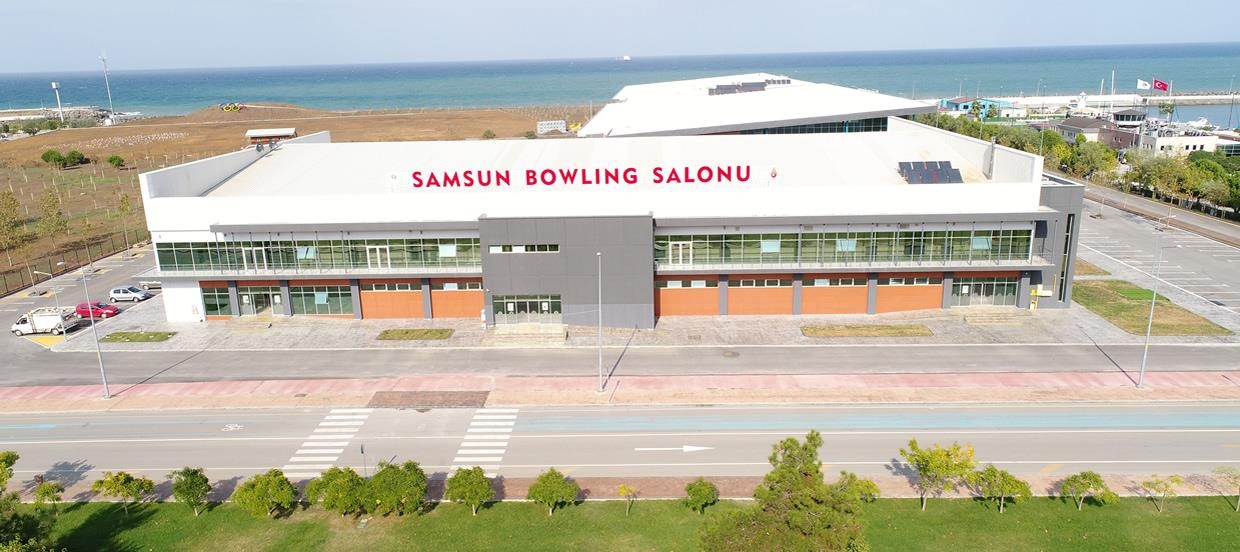
Samsun Bowling Salonu
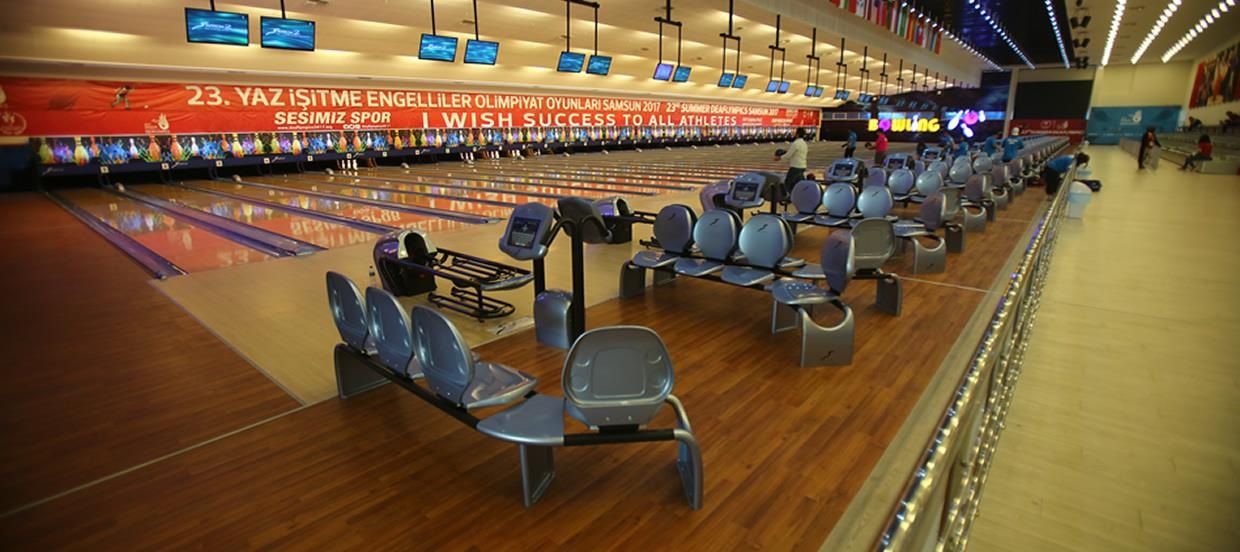
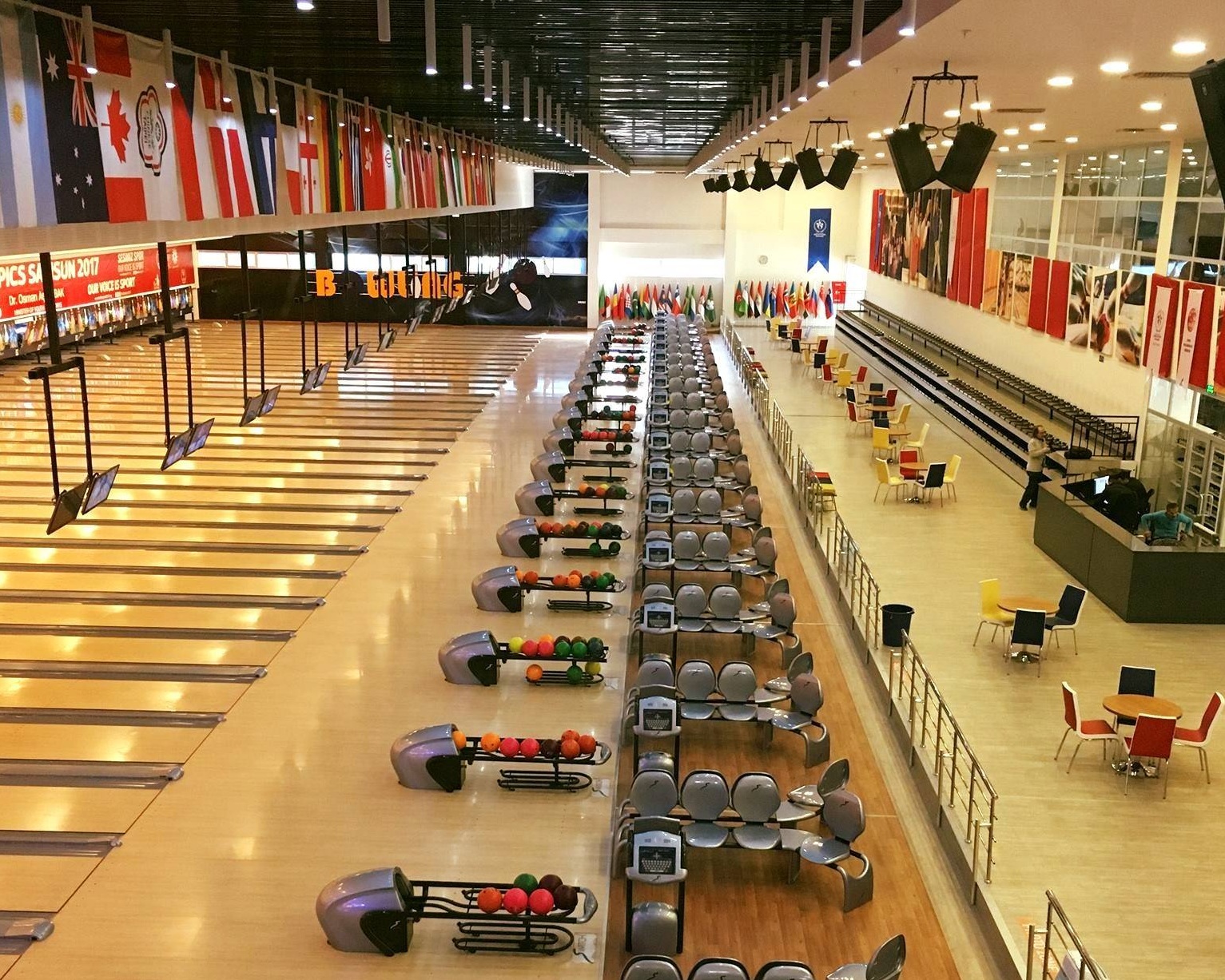
Samsun İlkadım Bowling Salonu, 2017 yılında 23. Yaz İşitme Engelliler Olimpiyatları’na ev sahipliği yapmak üzere aynı yıl hizmete açılmıştır. Hâlihazırda bowling alanında Türkiye Kupası, Bowling Ligleri, Millî Takım seçmeleri, Federasyon Kupası ve çeşitli kurumsal organizasyonlar Samsun İlkadım Bowling Salonu’nda düzenlenmektedir. Salonun seyirci kapasitesi 360 kişidir. Samsun İlkadım Bowling Salonu’nda her yıl Bowling Ligi müsabakaları düzenleniyor. Yılın belirli dönemlerinde seçmeleri yapılır. Seçmelere katılım şartları ve tarihlerle ilgili bilgiler Bowling Salonu’nun internet sitesinden duyuruluyor. Salonda ayrıca uzman eğitmenler tarafından bowling dersleri de veriliyor.
Konum
Adres: Atatürk Bulvarı, Cedit Mahallesi, Samsun, İlkadım, Samsun, Karadeniz Bölgesi, 55030, Türkiye
Ziyaret Gün ve Saatleri
Aşağıda belirtilen gün ve saatler arasında ziyarete açıktır.
Erişilebilirlik Özellikleri
Engelsiz erişim imkânlarının ve rehber hizmetlerinin bulunup bulunmadığı bilgisine yer verilmiştir.
- Engelsiz Erişim
- Rehberlik Hizmeti
Ziyaret Notları
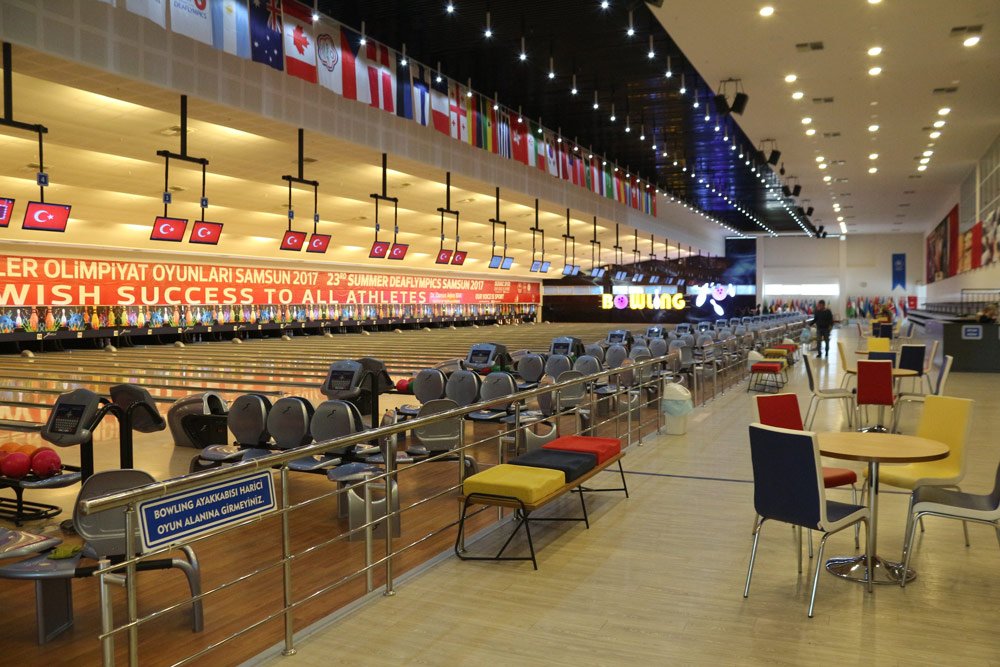
Samsun İlkadım Bowling Salonu ücretli spor salonları arasındadır. Salon ziyareti ücretsiz olmakla birlikte salonda yapılan etkinlikler ücrete tabidir. Ziyaret öncesi randevu alınmasına gerek yoktur. Ziyaretçilerimizin güvenlik açısından malzemeleri dikkatli kullanmaları, malzemelerin etkinlik alanından dışarı çıkarmamaları, etkinlik alanı içinde belirtilen alanlara gişeden temin edilen etkinlik ayakkabısı ile girilmesi, etkinlik alanında belirtilen güvenli alanda kalmaları önemlidir. Salonumuzda ücretli kafe alanı mevcut olup, ziyaretçilerimiz yeme içme ihtiyaçlarını bu alanda giderebilir. Etkinlik alanı içinde yeme içme yasaktır.
İletişim Bilgileri
Öğrenme Çıktıları
- HSAB.1. Farklı çevre ve fiziksel etkinliklerde büyük kas becerilerini etkin bir şekilde uygulayabilme
- HB.1.2.1. Sağlıklı büyüme ve gelişme için yapması gerekenleri belirleyebilme
- MAT. 1.3.5. Biçimsel özelliklerine göre geometrik şekilleri sınıflandırabilme
- MAT.1.1.1. Rakamları ve 20’ye kadar olan sayıları (20 dâhil), niceliklerin büyüklüklerini temsil etmek için kullanabilme
- MAT.1.1.4. İki niceliğin büyüklüğünü “çok”, “daha çok”, “az”, “daha az” veya “eşit” terimleriyle karşılaştırabilme
- MAT.1.1.3. Nesnelerin sıra sayısını gösterebilme
- MAT.1.1.2. Ögeleri dağınık veya düzenli bir şekilde bulunan bir nesne grubunu sayarken parçalar arasında ilişkileri çözümleyebilme
- HB.2.2.1. Sağlıklı büyüme ve gelişme ile alışkanlıkları arasındaki ilişkiyi çözümleyebilme
- T.D.2.1. Dinleme/izlemeyi yönetebilme
- T.D.2.2. Dinledikleri/izledikleri ile ilgili anlam oluşturabilme
- T.D.2.3. Dinlediklerini/izlediklerini çözümleyebilme
- T.D.2.4. Dinleme/izleme sürecine etki eden durumları gözden geçirebilme
- T.D.2.5. Dinleme/izleme sürecini değerlendirebilme
- T.K.2.1. Konuşmalarını yönetebilme
- T.K.2.2. Konuşmalarında içerik oluşturabilme
- T.K.2.3. Konuşma kurallarını uygulayabilme
- MAT.2.1.1. 100’e kadar olan niceliklerin büyüklüklerini temsil etmede sayıların sembolik temsillerinden yararlanabilme
- MAT.2.1.4. İleriye ve geriye doğru ritmik sayabilme
- MAT.2.3.1. Günlük yaşamda kullanılan nesneleri biçimsel özelliklerine göre geometrik cisim olarak sınıflandırabilme
- MAT.2.3.4. Geometrik cisim ve şekillerin yön, konum veya büyüklükleri değiştiğinde biçimsel özelliklerinin değişmediğini yorumlayabilme
- HB.3.2.1. Sağlığını korumaya yönelik davranışlarını düzenleyebilme
- T.D.3.1. Dinleme/izlemeyi yönetebilme
- T.D.3.2. Dinledikleri/izledikleri ile ilgili anlam oluşturabilme
- T.D.3.3. Dinlediklerini/izlediklerini çözümleyebilme
- T.K.3.1. Konuşmalarını yönetebilme
- T.K.3.2. Konuşmalarında içerik oluşturabilme
- T.K.3.3. Konuşma kurallarını uygulayabilme
- MAT.3.1.5. Sayıları tek-çift olarak sınıflandırabilme
- MAT.3.1.7. Sayı ve sayı temsiline dönüşen şekil örüntülerine dayalı çıkarım yapabilme
- MAT.3.3.1. Geometrik cisimlerin özelliklerini yorumlayabilme
- MAT.3.3.6. Birden fazla simetri doğrusu olan şekilleri çözümleyebilme
- MAT.3.3.7. Bir parçası verilen simetrik şekli simetri doğrusuna göre yapılandırabilme
- MAT.4.1.4. İleriye ve geriye doğru ritmik saymayı yapılandırabilme
- MAT.4.3.1. Geometrik cisimlerin açınımlarını yapılandırabilme
- MAT.4.3.9. Bir şeklin doğruya göre simetrisini yapılandırabilme
- MAT.5.1.3. Gerçek yaşam durumlarına karşılık gelen kesirleri farklı biçimlerde temsil edebilme
- MAT.5.3.2. Temel geometrik çizimlere dayalı deneyimlerini yansıtabilme
- ENG.5.5.L1. Students can get ready for the listening/watching-comprehension process for the current content on “life in the neighbourhood and city with attractions and recreational places, services, and transportation in the neighbourhood and the city” carefully.
- ENG.5.5.L2. Students can bring information about the current content on “life in the neighbourhood and city with attractions and recreational places, services, and transportation in the neighbourhood and the city” together through significant details and main components while listening (to)/ watching it.
- ENG.5.5.L3. Students can make meaning of/derive meaning from the current content on “life in the neighbourhood and city with attractions and recreational places, services, and transportation in the neighbourhood and the city” through significant details by listening (to)/watching it carefully.
- ENG.5.5.L4. Students can convey their knowledge, experience, thoughts, and feelings examined carefully about the whole listening/watching-comprehension process in relation to the current content on “life in the neighbourhood and city with attractions and recreational places, services, and transportation in the neighbourhood and the city”.
- ENG.5.5.P1. Students can select and use the target phonological elements of the current content about “life in the neighbourhood and city with attractions and recreational places, services, and transportation in the neighbourhood and the city” accurately, authentically, and naturally through spontaneous decision-making processes and use it in an appropriate and effective way when communicating with others.
- ENG.5.5.R1. Students can get ready for the reading-comprehension process about the current content on “life in the neighbourhood and city with attractions and recreational places, services, and transportation in the neighbourhood and the city”.
- ENG.5.5.R2. Students can bring information about the current content on “life in the neighbourhood and city with attractions and recreational places, services, and transportation in the neighbourhood and the city” through skimming (looking quickly at) the audio-visual elements and reading the content very quickly.
- ENG.5.5.R3. Students can make meaning of / derive meaning from the current content about “life in the neighbourhood and city with attractions and recreational places, services, and transportation in the neighbourhood and the city” by reading it carefully.
- ENG.5.5.R4. Students can convey their knowledge, experiences, thoughts, and feelings related to the reading-comprehension process about the current content, “life in the neighbourhood and city with attractions and recreational places, services, and transportation in the neighbourhood and the city” in relation to themselves or others, both individually and/or with others.
- ENG.5.5.V1. Students can select and use the target vocabulary of the current content about “life in the neighbourhood and city with attractions and recreational places, services, and transportation in the neighbourhood and the city” accurately, authentically, spontaneously, and naturally and use it appropriately and effectively when communicating with others.
- ENG.5.5.G1. Students can select and use the target grammatical elements of the current content about “life in the neighbourhood and city with attractions and recreational places, services, and transportation in the neighbourhood and the city” accurately, authentically, spontaneously, and naturally and use it appropriately and effectively when communicating with others.
- ENG.5.5.W1. Students can get ready for the writing-expression process about the current content on “life in the neighbourhood and city with attractions and recreational places, services, and transportation in the neighbourhood and the city”.
- ENG.5.5.S1. Students can get ready for speaking-expression process about the current content on “life in the neighbourhood and city with attractions and recreational places, services, and transportation in the neighbourhood and the city”.
- MAT.6.1.7. Karşılaştığı günlük hayat ya da matematiksel durumlarda standart uzunluk ölçme birimlerini değerlendirebilme
- MAT.6.3.1. Düzlemde iki paralel doğru ve bir kesen ile oluşan açıları sınıflandırabilme
- ENG.6.5.L1. Students can get ready for the listening/watching-comprehension process for the current content on “life in the neighbourhood and the city with festivals and events (sports, music, arts) in the neighbourhood and city; transportation in the neighbourhood and the city” carefully.
- ENG.6.5.L2. Students can bring information about the current content on “life in the neighbourhood and the city with festivals and events (sports, music, arts) in the neighbourhood and city; transportation in the neighbourhood and the city” together through significant details and main components while listening/watching it.
- ENG.6.5.L3. Students can make meaning of/derive meaning from the current content on “life in the neighbourhood and the city with festivals and events (sports, music, arts) in the neighbourhood and city; transportation in the neighbourhood and the city” through significant details by listening/watching it carefully.
- ENG.6.5.L4. Students can convey their knowledge, experience, thoughts, and feelings examined carefully about the whole listening/watching-comprehension process in relation to the current content on “life in the neighbourhood and the city with festivals and events (sports, music, arts) in the neighbourhood and city; transportation in the neighbourhood and the city”.
- ENG.6.5.P1. Students can select and use the target phonological elements of the current content about “life in the neighbourhood and the city with festivals and events (sports, music, arts) in the neighbourhood and city; transportation in the neighbourhood and the city” accurately, authentically, and naturally through spontaneous decision-making processes and use it in an appropriate and effective way when communicating with others.
- ENG.6.5.R1. Students can get ready for the reading-comprehension process about the current content on “life in the neighbourhood and the city with festivals and events (sports, music, arts) in the neighbourhood and city; transportation in the neighbourhood and the city”.
- ENG.6.5.R2. Students can bring information about the current content on “life in the neighbourhood and the city with festivals and events (sports, music, arts) in the neighbourhood and city; transportation in the neighbourhood and the city” through skimming (looking quickly at) the audio-visual elements and reading the content very quickly.
- ENG.6.5.R3. Students can make meaning of / derive meaning from the current content about “life in the neighbourhood and the city with festivals and events (sports, music, arts) in the neighbourhood and city; transportation in the neighbourhood and the city” by reading it carefully.
- ENG.6.5.R4. Students can convey their knowledge, experiences, thoughts, and feelings related to the reading-comprehension process about the current content, “life in the neighbourhood and the city with festivals and events (sports, music, arts) in the neighbourhood and city; transportation in the neighbourhood and the city” in relation to themselves or others, both individually and/or with others.
- ENG.6.5.V1. Students can select and use the target vocabulary of the current content about “life in the neighbourhood and the city with festivals and events (sports, music, arts) in the neighbourhood and city; transportation in the neighbourhood and the city” accurately, authentically, spontaneously, and naturally and use it appropriately and effectively when communicating with others.
- ENG.6.5.G1. Students can select and use the target grammatical elements of the current content about “life in the neighbourhood and the city with festivals and events (sports, music, arts) in the neighbourhood and city; transportation in the neighbourhood and the city” accurately, authentically, spontaneously, and naturally and use it appropriately and effectively when communicating with others.
- ENG.6.5.W1. Students can get ready for the writing-expression process about the current content on “life in the neighbourhood and the city with festivals and events (sports, music, arts) in the neighbourhood and city; transportation in the neighbourhood and the city”.
- ENG.6.5.S1. Students can get ready for speaking-expression process about the current content on “life in the neighbourhood and the city with festivals and events (sports, music, arts) in the neighbourhood and city; transportation in the neighbourhood and the city”.
- ENG.6.5.L1. Students can get ready for the listening/watching-comprehension process for the current content on “life in the neighbourhood, city and social life with different lifestyles in the city and rural areas; sports events in the city and rural areas” carefully.
- ENG.6.5.L2. Students can bring information about the current content on “life in the neighbourhood, city and social life with different lifestyles in the city and rural areas; sports events in the city and rural areas” together through significant details and main components while listening (to)/ watching it.
- ENG.6.5.L3. Students can make meaning of/derive meaning from the current content on “life in the neighbourhood, city and social life with different lifestyles in the city and rural areas; sports events in the city and rural areas” through significant details by listening (to)/watching it carefully.
- ENG.6.5.L4. Students can convey their knowledge, experience, thoughts, and feelings examined carefully about the whole listening/watching-comprehension process in relation to the current content on “life in the neighbourhood, city and social life with different lifestyles in the city and rural areas; sports events in the city and rural areas”.
- ENG.6.5.P1. Students can select and use the target phonological elements of the current content about “life in the neighbourhood, city and social life with different lifestyles in the city and rural areas; sports events in the city and rural areas” accurately, authentically, and naturally through spontaneous decision-making processes and use it in an appropriate and effective way when communicating with others.
- ENG.6.5.R1. Students can get ready for the reading-comprehension process about the current content on “life in the neighbourhood, city and social life with different lifestyles in the city and rural areas; sports events in the city and rural areas”.
- ENG.6.5.R2. Students can bring information about the current content on “life in the neighbourhood, city and social life with different lifestyles in the city and rural areas; sports events in the city and rural areas” through skimming (looking quickly at) the audio-visual elements and reading the content very quickly.
- ENG.6.5.R3. Students can make meaning of / derive meaning from the current content about “life in the neighbourhood, city and social life with different lifestyles in the city and rural areas; sports events in the city and rural areas” by reading it carefully.
- ENG.6.5.R4. Students can convey their knowledge, experiences, thoughts, and feelings related to the reading-comprehension process about the current content, “life in the neighbourhood, city and social life with different lifestyles in the city and rural areas; sports events in the city and rural areas” in relation to themselves or others, both individually and/or with others.
- ENG.6.5.V1. Students can select and use the target vocabulary of the current content about “life in the neighbourhood, city and social life with different lifestyles in the city and rural areas; sports events in the city and rural areas” accurately, authentically, spontaneously, and naturally and use it appropriately and effectively when communicating with others.
- ENG.6.5.G1. Students can select and use the target grammatical elements of the current content about “life in the neighbourhood, city and social life with different lifestyles in the city and rural areas; sports events in the city and rural areas” accurately, authentically, spontaneously, and naturally and use it appropriately and effectively when communicating with others.
- ENG.6.5.W1. Students can get ready for the writing-expression process about the current content on “life in the neighbourhood, city and social life with different lifestyles in the city and rural areas; sports events in the city and rural areas”.
- ENG.6.5.S1. Students can get ready for speaking-expression process about the current content on “life in the neighbourhood, city and social life with different lifestyles in the city and rural areas; sports events in the city and rural areas”.
- MAT.7.1.6. Gerçek yaşam durumları üzerinden orantılı durumları yorumlayabilme
- ENG.7.4.L1. Students can prepare and get ready for listening (to)/watching about the current content on “family life and home with family members’ hobbies (sports, books, films, music, cooking); generation gap in the family: problems and solutions”.
- ENG.7.4.L2. Students can bring together the information in the current content on “family life and home with family members’ hobbies (sports, books, films, music, cooking); generation gap in the family: problems and solutions”.
- ENG.7.4.L3. Students can make sense of and derive meaning from the current content on “family life and home with family members’ hobbies (sports, books, films, music, cooking); generation gap in the family: problems and solutions”.
- ENG.7.4.L4. Students can reflect on the information, experiences, thoughts, ideas, and feelings related to the listening (to)/watching process about the current content on “family life and home with family members’ hobbies (sports, books, films, music, cooking); generation gap in the family: problems and solutions” in relation to themselves or others, both individually and/or with others.
- ENG.7.4.P1. Students can select and use target phonological aspects such as pronunciation and intonation of target sounds, words, phrases, clauses, and sentences in utterances authentically, naturally, and accurately in the current content about “family life and home with family members’ hobbies (sports, books, films, music, cooking); generation gap in the family: problems and solutions” to develop holistic and conscious pronunciation skills after recognising them in context.
- ENG.7.4.R1. Students can prepare for reading the content on “family life and home with family members’ hobbies (sports, books, films, music, cooking); generation gap in the family: problems and solutions” efficiently and effectively.
- ENG.7.4.R2. Students can bring information together about the current content on “family life and home with family members’ hobbies (sports, books, films, music, cooking); generation gap in the family: problems and solutions” through skimming, scanning and detailed reading.
- ENG.7.4.R3. Students can make sense of and derive meaning from the current content on “family life and home with family members’ hobbies (sports, books, films, music, cooking); generation gap in the family: problems and solutions”.
- ENG.7.4.R4. Students can reflect on the information, experiences, thoughts, ideas, and feelings related to the reading process about the current content on “family life and home with family members’ hobbies (sports, books, films, music, cooking); generation gap in the family: problems and solutions” in relation to themselves or others, both individually and/or with others.
- ENG.7.4.V1. Students can select and use target vocabulary efficiently, effectively, and accurately, based on the current content about “family life and home with family members’ hobbies (sports, books, films, music, cooking); generation gap in the family: problems and solutions” after recognising them in context and developing their conscious and inductive vocabulary learning skills.
- ENG.7.4.G1. Students can select and use target grammatical language items efficiently, effectively, and accurately, based on the current content about “family life and home with family members’ hobbies (sports, books, films, music, cooking); generation gap in the family: problems and solutions”, after recognising them in context and developing their conscious and inductive grammaring skills through consciousness-raising and discovery.
- ENG.7.4.W1. Students can prepare for writing efficiently and accurately based on the current content about “family life and home with family members’ hobbies (sports, books, films, music, cooking); generation gap in the family: problems and solutions”.
- ENG.7.4.S1. Students can prepare themselves to speak meaningfully, fluently, and efficiently about the current content on “family life and home with family members’ hobbies (sports, books, films, music, cooking); generation gap in the family: problems and solutions”.
- ENG.8.5.S1. Students can prepare themselves to speak meaningfully, fluently, and efficiently about the current content on “life in the neighbourhood and city including social life with sports events in the city and rural areas; pros and cons of living in rural areas and in the city”.
- ENG.8.5.L1. Students can prepare and get ready for listening (to)/watching about the current content on “life in the neighbourhood and city including social life with sports events in the city and rural areas; pros and cons of living in rural areas and in the city”.
- ENG.8.5.L2. Students can bring together the information in the current content on “life in the neighbourhood and city including social life with sports events in the city and rural areas; pros and cons of living in rural areas and in the city”.
- ENG.8.5.L3. Students can make sense of and derive meaning from the current content on “life in the neighbourhood and city including social life with sports events in the city and rural areas; pros and cons of living in rural areas and in the city”.
- ENG.8.5.L4. Students can reflect on the information, experiences, thoughts, ideas, and feelings related to the listening (to)/watching process about the current content on “life in the neighbourhood and city including social life with sports events in the city and rural areas; pros and cons of living in rural areas and in the city” in relation to themselves or others, both individually and/ or with others.
- ENG.8.5.P1. Students can select and use target phonological aspects such as pronunciation and intonation of target sounds, words, phrases, clauses, and sentences in utterances authentically, naturally, and accurately in the current content about “life in the neighbourhood and city including social life with sports events in the city and rural areas; pros and cons of living in rural areas and in the city” to develop holistic and conscious pronunciation skills after recognising them in context.
- ENG.8.5.R1. Students can prepare for reading the content on “life in the neighbourhood and city including social life with sports events in the city and rural areas; pros and cons of living in rural areas and in the city” efficiently and effectively.
- ENG.8.5.R2. Students can bring information together about the current content on “life in the neighbourhood and city including social life with sports events in the city and rural areas; pros and cons of living in rural areas and in the city” through skimming, scanning and detailed reading.
- ENG.8.5.R3. Students can make sense of and derive meaning from the current content on “life in the neighbourhood and city including social life with sports events in the city and rural areas; pros and cons of living in rural areas and in the city”.
- ENG.8.5.R4. Students can reflect on the information, experiences, thoughts, ideas, and feelings related to the reading process about the current content on “life in the neighbourhood and city including social life with sports events in the city and rural areas; pros and cons of living in rural areas and in the city” in relation to themselves or others, both individually and/or with others.
- ENG.8.5.V1. Students can select and use target vocabulary efficiently, effectively, and accurately, based on the current content about “life in the neighbourhood and city including social life with sports events in the city and rural areas; pros and cons of living in rural areas and in the city” after recognising them in context and developing their conscious and inductive vocabulary learning skills.
- ENG.8.5.G1. Students can select and use target grammatical language items efficiently, effectively, and accurately, based on the current content about “life in the neighbourhood and city including social life with sports events in the city and rural areas; pros and cons of living in rural areas and in the city”, after recognising them in context and developing their conscious and inductive grammaring skills through consciousness-raising and discovery.
- ENG.8.5.W1. Students can prepare for writing efficiently and accurately based on the current content about “life in the neighbourhood and city including social life with sports events in the city and rural areas; pros and cons of living in rural areas and in the city”.
- MAT.8.6.1. Kategorik veya nicel (kesikli-sürekli) veri ile çalışabilme ve veriye dayalı karar verebilme
- MAT.8.6.2. Başkaları tarafından oluşturulan kategorik veya nicel (kesikli-sürekli) veriye dayalı istatistiksel sonuç veya yorumları tartışabilme
- T.D.8.5. Dinlediğinin/izlediğinin yüzey anlamını belirleyebilme
- T.K.8.7. Yaratıcı konuşma yapabilme
- T.K.8.8. Hazırlıksız konuşma yapabilme