


Cernek Kuş Halkalama İstasyonu
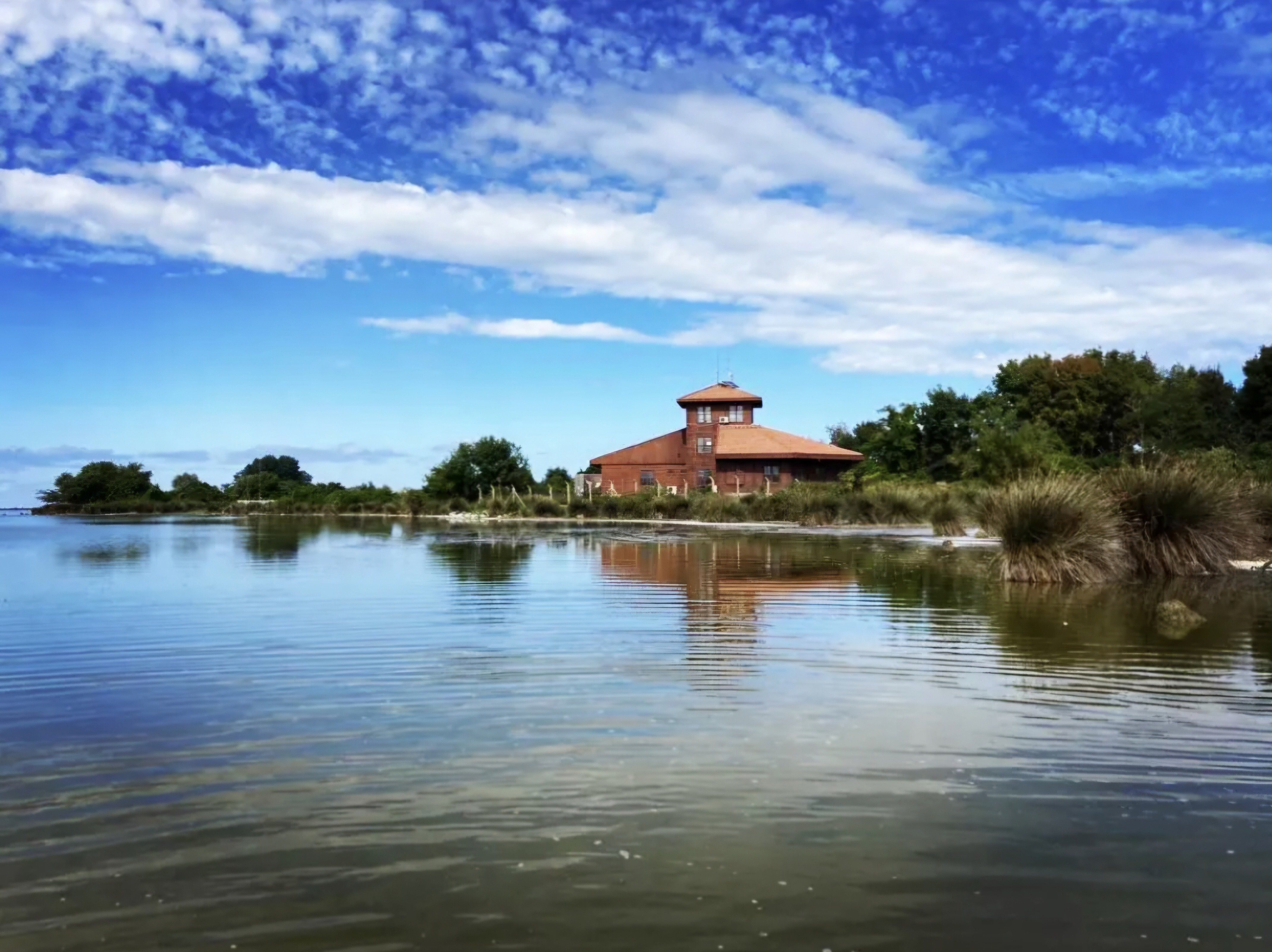
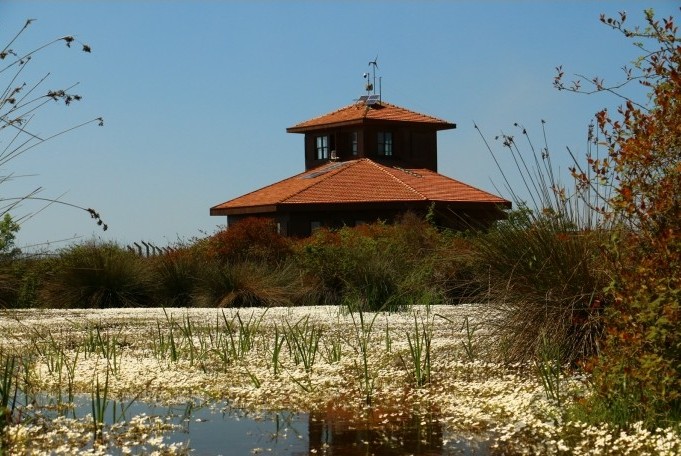
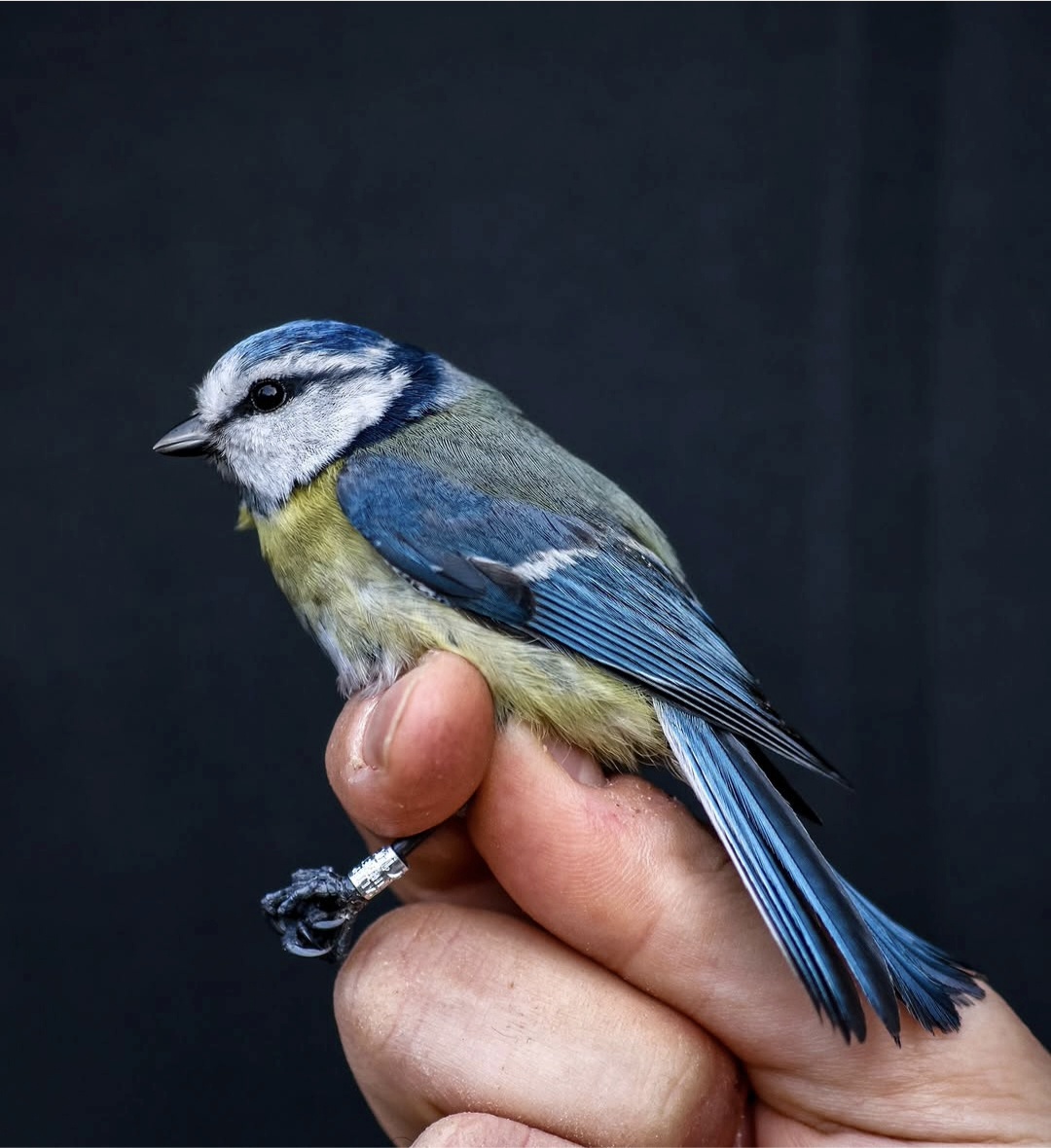
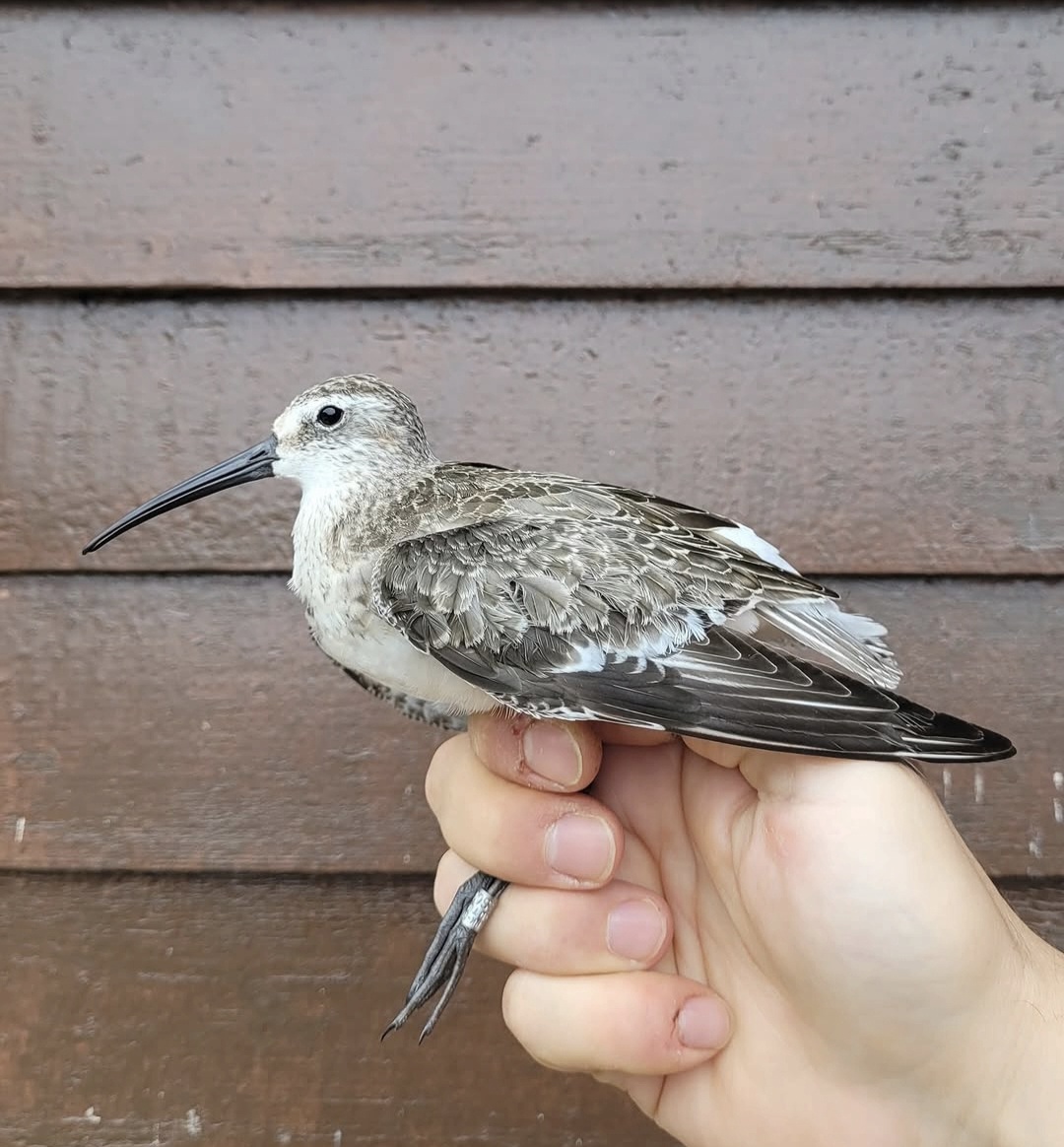
Kızılırmak Deltası Yaban Hayatı Geliştirme Sahasında bulunan Cernek Kuş Halkalama İstasyonu kuş göçünü araştırmak amacıyla ilkbahar ve sonbahar göç döneminde araştırma amaçlı faaliyet gösteren bir kuş halkalama istasyonudur. Burada alana kurulu sis ağları ile kuşlar yakalanmakta, tür teşhisi yapılıp halkalandıktan ve morfometrik ölçümler alındıktan sonra serbest bırakılmaktadır. Gelen öğrenciler ağ kontrollerine katılabilir, kuş halkalama çalışmalarını görebilir, kuş göçleri konusunda bilgi alabilir ve kuş gözlemi yapılabilir. Gözlem yapılabilecek tarih ve saatler 15 Mart - 30 Mayıs, 15 Ağustos - 30 Ekim tarihlerinde her gün saat 09.00-18.00 olarak belirlenmiştir.
Konum
Adres: Ondokuz Mayıs Üniversitesi, İncesu Caddesi, İncesu, Çakırlar, Atakum, Samsun, Karadeniz Bölgesi, 55270, Türkiye
Ziyaret Gün ve Saatleri
Aşağıda belirtilen gün ve saatler arasında ziyarete açıktır.
Erişilebilirlik Özellikleri
Engelsiz erişim imkânlarının ve rehber hizmetlerinin bulunup bulunmadığı bilgisine yer verilmiştir.
- Engelsiz Erişim
- Rehberlik Hizmeti
Ziyaret Notları
Araştırma çalışmasını olumsuz etkilememek için büyük gruplar halinde gelinmemesi beklenmektedir. Maksimum 40 kişilik gruplarla ziyaret edilmesi önerilmektedir. Ziyaret öncesi Ornitoloji Araştırma Merkezi Müdürlüğü ya da Ondokuz Mayıs Üniversitesi Rektörlüğü'ne yazı ile bilgi verilmeli, aynı gün çok fazla ziyaret olmaması ya da orada verilen eğitim faaliyetleri ile çakışmaması için randevu alınmalıdır. Halkalama istasyonuna yapılan ziyaret ücretsizdir. Ancak istasyona ulaşım için Kızılırmak Deltası Yörükler tarafından Samsun Büyükşehir Belediyesince işletilen otobüslerle ulaşım sağlanmalıdır. Bu hizmetten ücretsiz faydalanmak ve otobüs kullanımı için planlama yapmak için Samsun Büyükşehir Belediyesi ile iletişim sağlanmalıdır. Tamamen dışarıda gerçekleştirilen bir etkinlik olduğundan ziyaretin verimli geçmesi açısından çok yağışlı ve soğuk dönemlerde ziyaret önerilmemektedir.
İletişim Bilgileri
Öğrenme Çıktıları
- HB.1.5.1. Yakın çevresinde bulunan doğadaki varlıkları gözlemleyebilme
- HB.2.5.2. Doğadan yararlanarak yönünü belirleyebilme
- HB.3.5.4. Çevresel sürdürülebilirliğe yönelik kaynaklardan bilgi toplayabilme
- HB.3.5.1. Doğadaki varlıkların insan yaşamı için önemini yorumlayabilme
- FB.4.8.1. Sürdürülebilir bir yaşam alanı kurmayı bilimsel olarak sorgulayabilme
- FB.4.1.1. Bilimin özellikleri ile ilgili deneyimlerini yansıtabilme
- ENG.5.7.S1. Students can get ready for speaking-expression process about the current content on “life in nature with animals in nature and habitats; daily activities and nature; activities in nature”.
- ENG.5.7.W1. Students can get ready for the writing-expression process about the current content on “life in nature with animals in nature and habitats; daily activities and nature; activities in nature”.
- ENG.5.7.G1. Students can select and use the target grammatical elements of the current content about “life in nature with animals in nature and habitats; daily activities and nature; activities in nature” accurately, authentically, spontaneously, and naturally and use it appropriately and effectively when communicating with others.
- ENG.5.7.V1. Students can select and use the target vocabulary of the current content about “life in nature with animals in nature and habitats; daily activities and nature; activities in nature” accurately, authentically, spontaneously, and naturally and use it appropriately and effectively when communicating with others.
- ENG.5.7.R4. Students can convey their knowledge, experiences, thoughts, and feelings related to the reading-comprehension process about the current content, “life in nature with animals in nature and habitats; daily activities and nature; activities in nature” in relation to themselves or others, both individually and/or with others.
- ENG.5.7.R3. Students can make meaning of / derive meaning from the current content about “life in nature with animals in nature and habitats; daily activities and nature; activities in nature” by reading it carefully.
- ENG.5.7.R2. Students can bring information about the current content on “life in nature with animals in nature and habitats; daily activities and nature; activities in nature” through skimming (looking quickly at) the audio-visual elements and reading the content very quickly.
- ENG.5.7.R1. Students can get ready for the reading-comprehension process about the current content on “life in nature with animals in nature and habitats; daily activities and nature; activities in nature”.
- ENG.5.7.P1. Students can select and use the target phonological elements of the current content about “life in nature with animals in nature and habitats; daily activities and nature; activities in nature” accurately, authentically, and naturally through spontaneous decision-making processes and use it in an appropriate and effective way when communicating with others.
- ENG.5.7.L4. Students can convey their knowledge, experience, thoughts, and feelings examined carefully about the whole listening/watching-comprehension process in relation to the current content on “life in nature with animals in nature and habitats; daily activities and nature; activities in nature”.
- ENG.5.7.L3. Students can make meaning of/derive meaning from the current content on “life in nature with animals in nature and habitats; daily activities and nature; activities in nature” through significant details by listening (to)/watching it carefully.
- ENG.5.7.L2. Students can bring information about the current content on “life in nature with animals in nature and habitats; daily activities and nature; activities in nature” together through significant details and main components while listening (to)/watching it.
- ENG.5.7.L1. Students can get ready for the listening/watching-comprehension process for the current content on “life in nature with animals in nature and habitats; daily activities and nature; activities in nature” carefully.
- ENG5.7.S1. Students can get ready for speaking-expression process about the current content on “life in nature with types of animals in nature; wild animals in nature; their habitats”.
- ENG5.7.W1. Students can get ready for the writing-expression process about the current content on “life in nature with types of animals in nature; wild animals in nature; their habitats”.
- ENG5.7.G1. Students can select and use the target grammatical elements of the current content about “life in nature with types of animals in nature; wild animals in nature; their habitats” accurately, authentically, spontaneously, and naturally and use it appropriately and effectively when communicating with others.
- ENG5.7.V1. Students can select and use the target vocabulary of the current content about “life in nature with types of animals in nature; wild animals in nature; their habitats” accurately, authentically, spontaneously, and naturally and use it appropriately and effectively when communicating with others.
- ENG5.7.R4. Students can convey their knowledge, experiences, thoughts, and feelings related to the reading-comprehension process about the current content, “life in nature with types of animals in nature; wild animals in nature; their habitats” in relation to themselves or others, both individually and/or with others.
- ENG5.7.R3. Students can make meaning of / derive meaning from the current content about “life in nature with types of animals in nature; wild animals in nature; their habitats” by reading it carefully.
- ENG5.7.R2. Students can bring information about the current content on “life in nature with types of animals in nature; wild animals in nature; their habitats” through skimming (looking quickly at) the audio-visual elements and reading the content very quickly.
- ENG5.7.R1. Students can get ready for the reading-comprehension process about the current content on “life in nature with types of animals in nature; wild animals in nature; their habitats”.
- ENG5.7.P1. Students can select and use the target phonological elements of the current content about “life in nature with types of animals in nature; wild animals in nature; their habitats” accurately, authentically, and naturally through spontaneous decision-making processes and use it in an appropriate and effective way when communicating with others.
- ENG5.7.L4. Students can convey their knowledge, experience, thoughts, and feelings examined carefully about the whole listening/watching-comprehension process in relation to the current content on “life in nature with types of animals in nature; wild animals in nature; their habitats”.
- ENG5.7.L3. Students can make meaning of/derive meaning from the current content on “life in nature with types of animals in nature; wild animals in nature; their habitats” through significant details by listening/watching it carefully.
- ENG5.7.L2. Students can bring information about the current content on “life in nature with types of animals in nature; wild animals in nature; their habitats” together through significant details and main components while listening/watching it.
- ENG5.7.L1. Students can get ready for the listening/watching-comprehension process for the current content on “life in nature with types of animals in nature; wild animals in nature; their habitats” carefully.
- SB.5.2.2. Yaşadığı ilde doğal ve beşerî çevredeki değişimi neden ve sonuçlarıyla yorumlayabilme
- FB.5.3.4. Destek ve hareket sisteminin sağlığı için yapılması gerekenler konusunda bilgi
- FB.5.3.3. Destek ve hareket sistemine ait yapıları sınıflandırabilme
- FB.6.7.4. Yakın çevresindeki veya ülkemizdeki bir çevre problemini çözebilme
- FB.6.7.2. Biyoçeşitliliği tehdit eden faktörleri araştırma verilerine dayalı tahmin edebilme
- FB.6.7.1. Biyoçeşitliliğin doğal yaşam için önemini sorgulayabilme
- SB.6.2.2. Ülkemizin doğal ve beşerî çevre özellikleri arasındaki ilişkiyi çözümleyebilme
- ENG.7.7.S1. Students can prepare themselves to speak meaningfully, fluently, and efficiently about the current content on “life in nature with animals and natural resources in nature; protecting animals and nature”.
- ENG.7.7.W1. Students can prepare for writing efficiently and accurately based on the current content about “life in nature with animals and natural resources in nature; protecting animals and nature”.
- ENG.7.7.G1. Students can select and use target grammatical language items efficiently, effectively, and accurately, based on the current content about “life in nature with animals and natural resources in nature; protecting animals and nature”, after recognising them in context and developing their conscious and inductive grammaring skills through consciousness-raising and discovery.
- ENG.7.7.V1. Students can select and use target vocabulary efficiently, effectively, and accurately, based on the current content about “life in nature with animals and natural resources in nature; protecting animals and nature” after recognising them in context and developing their conscious and inductive vocabulary learning skills.
- ENG.7.7.R4. Students can reflect on the information, experiences, thoughts, ideas, and feelings related to the reading process about the current content on “life in nature with animals and natural resources in nature; protecting animals and nature” in relation to themselves or others, both individually and/or with others.
- ENG.7.7.R3. Students can make sense of and derive meaning from the current content on “life in nature with animals and natural resources in nature; protecting animals and nature”.
- ENG.7.7.R2 . Students can bring information together about the current content on “life in nature with animals and natural resources in nature; protecting animals and nature” through skimming, scanning and detailed reading.
- ENG.7.7.R1. Students can prepare for reading the content on “life in nature with animals and natural resources in nature; protecting animals and nature” efficiently and effectively.
- ENG.7.7.P1. Students can select and use target phonological aspects such as pronunciation and intonation of target sounds, words, phrases, clauses, and sentences in utterances authentically, naturally, and accurately in the current content about “life in nature with animals and natural resources in nature; protecting animals and nature” to develop holistic and conscious pronunciation skills after recognising them in context.
- ENG.7.7.L4. Students can reflect on the information, experiences, thoughts, ideas, and feelings related to the listening (to)/watching process about the current content on “life in nature with animals and natural resources in nature; protecting animals and nature” in relation to themselves or others, both individually and/or with others.
- ENG.7.7.L3. Students can make sense of and derive meaning from the current content on “life in nature with animals and natural resources in nature; protecting animals and nature”.
- ENG.7.7.L2. Students can bring together the information in the current content on “life in nature with animals and natural resources in nature; protecting animals and nature”.
- ENG.7.7.L1 . Students can prepare and get ready for listening (to)/watching about the current content on “life in nature with animals and natural resources in nature; protecting animals and nature”.
- FB.7.7.1. Besin zincirindeki canlılar arasındaki ilişkileri yapılandırabilme