


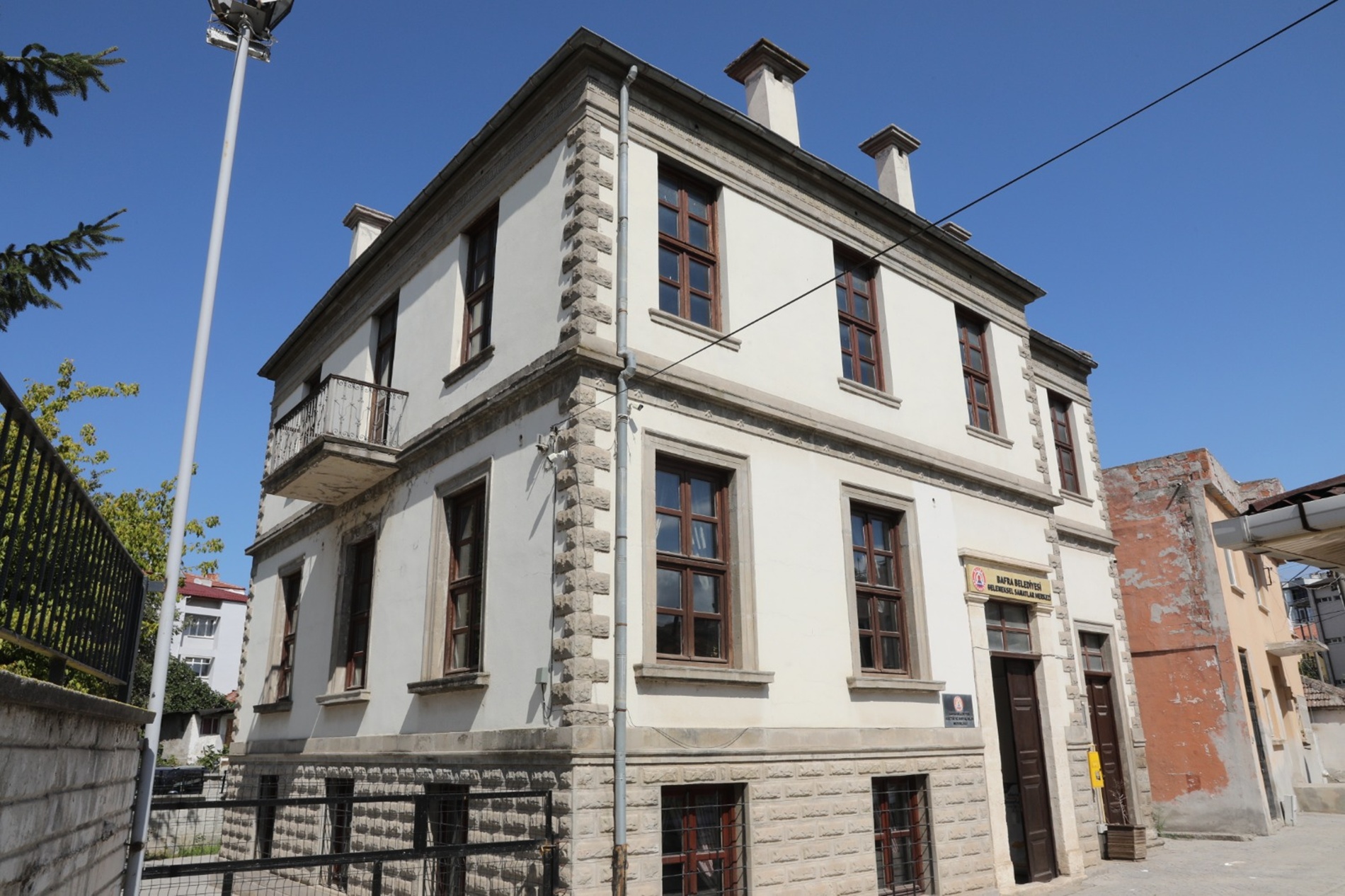
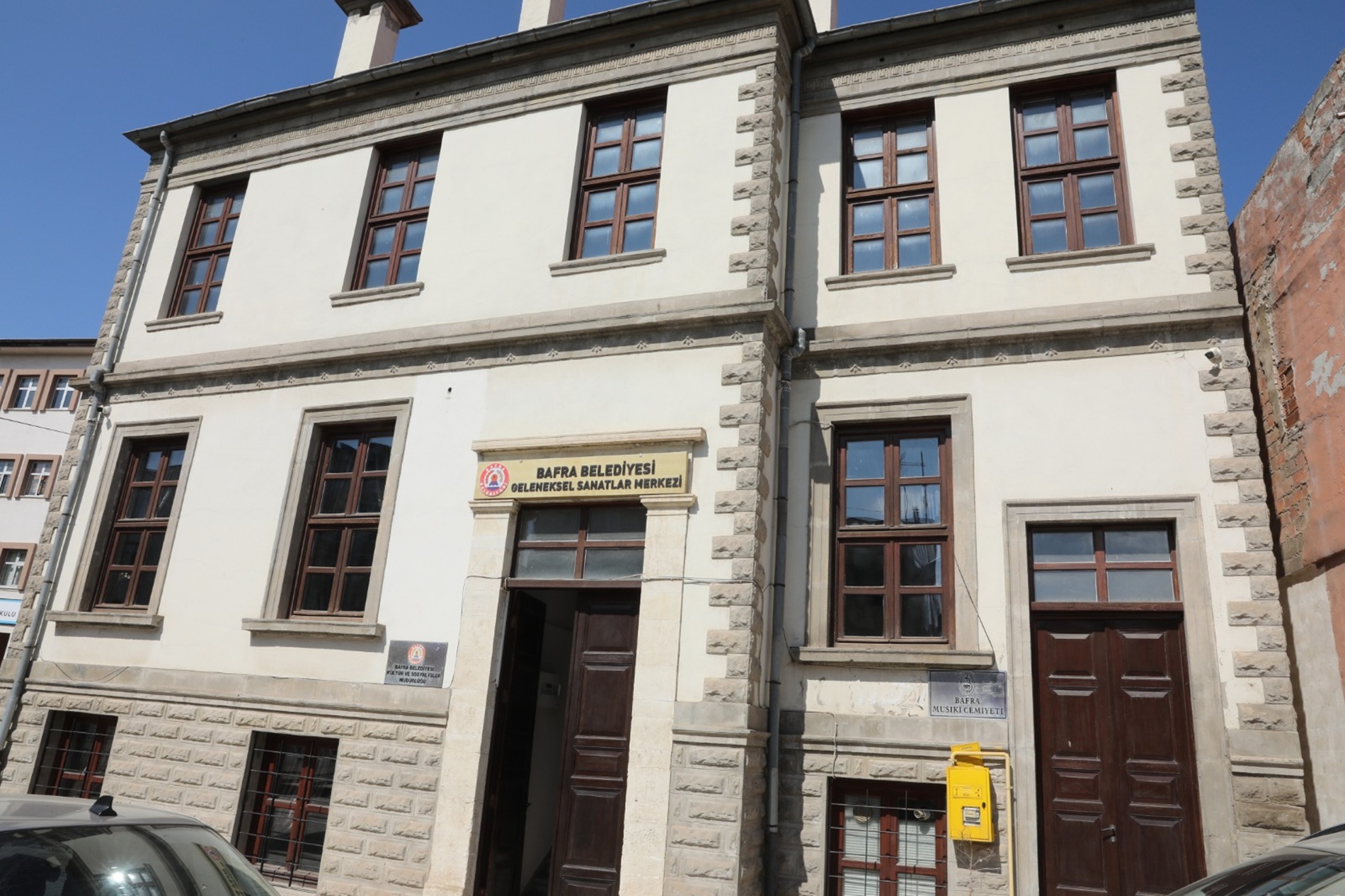
Bafra Belediyesi Geleneksel Sanatlar Merkezi
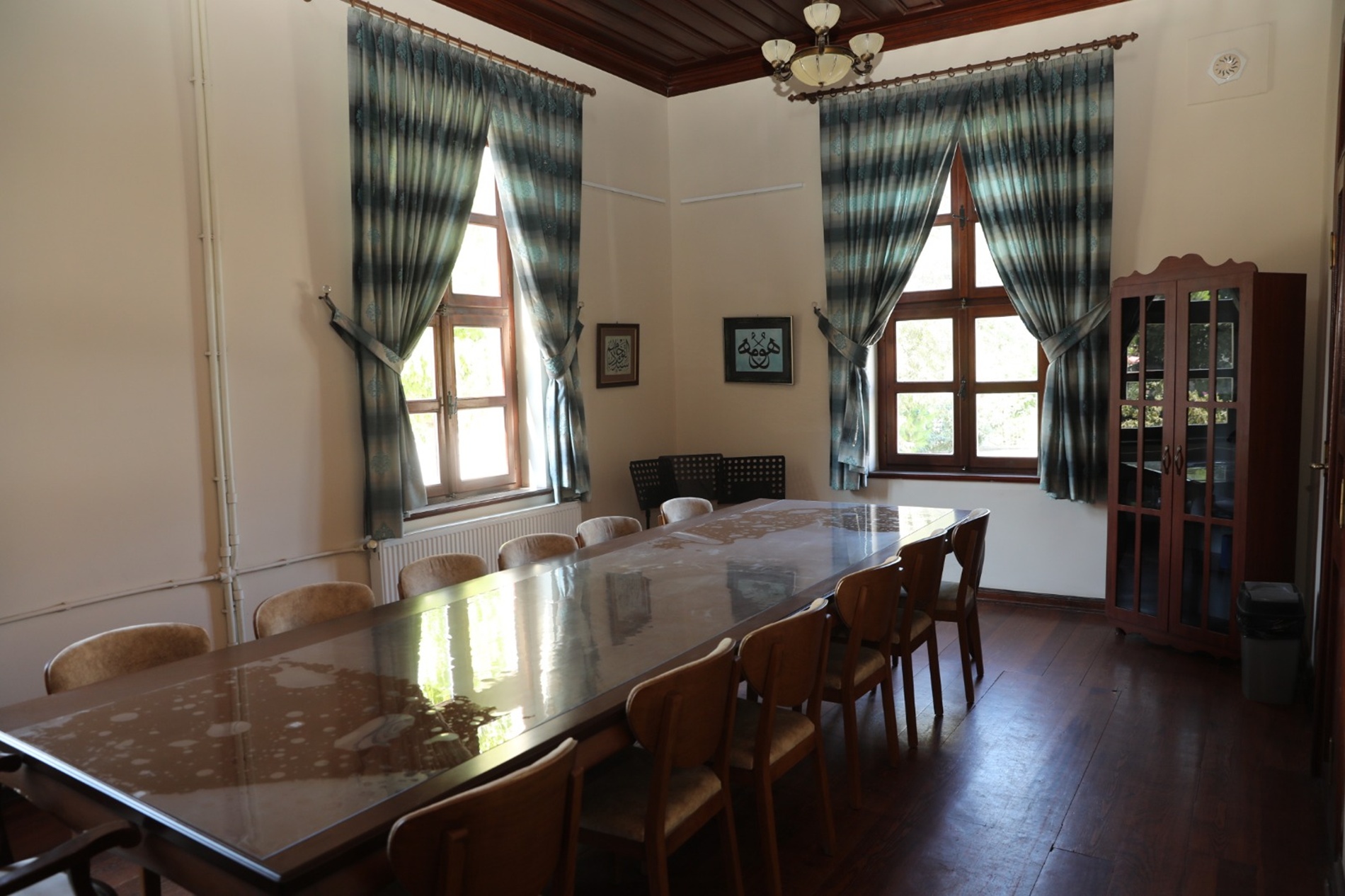
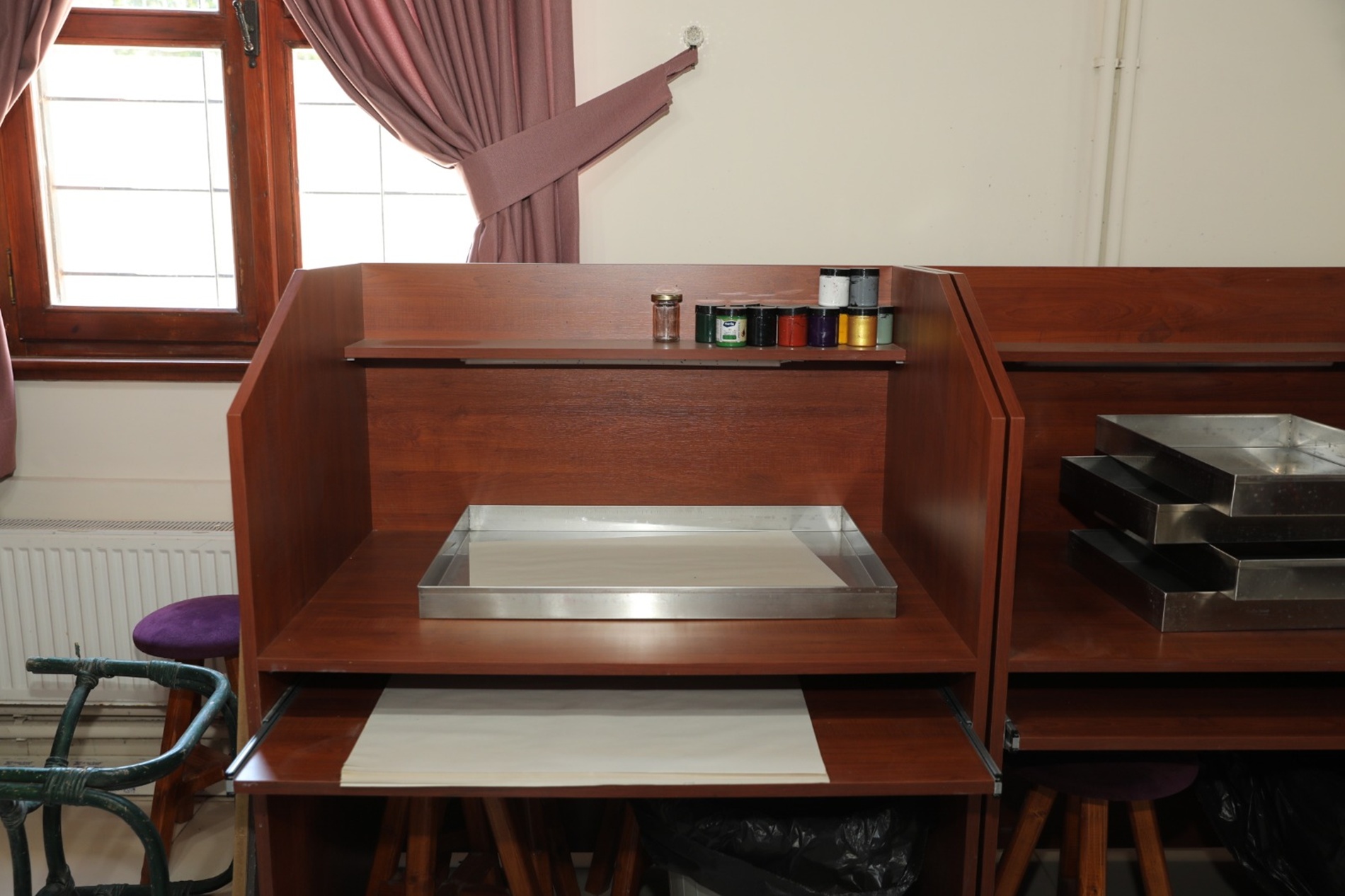
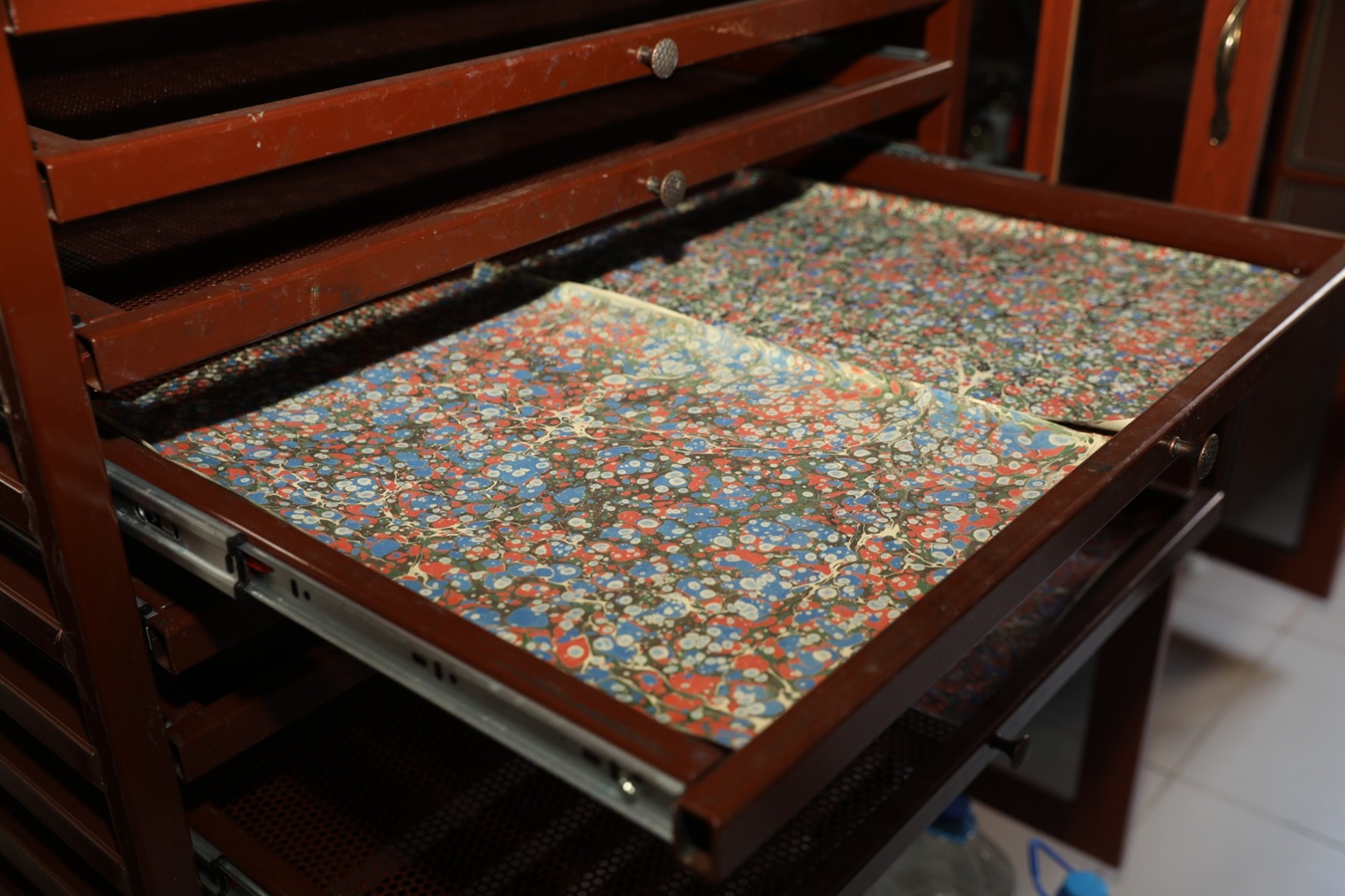
Bafra Belediyesi Kültür ve Sosyal İşler Müdürlüğü bünyesinde faaliyet gösteren Geleneksel Sanatlar Merkezimizde Anadolu’nun binlerce yıllık tarihinden günümüze miras kalan sanatlar, geleneksel ve yenilikçi yaklaşımları benimseyen usta öğreticiler ile kursiyerlere aktarılıyor. Merkezimizde alanında uzman öğreticiler tarafından ebru, tezhip, hüsnü hat, ney ve kaligrafi kurslarımız ücretsiz olarak verilmektedir. Kurslarımıza sanatsal ve kültürel faaliyetlere ilgi duyan yetişkinler ve ortaokul öğrencilerimiz başvurabilmektedir. Kültür ve sanat hayatına katkı sunmak, yeteneklerini geliştirmek, hobi ve meslek edinmek isteyen sanatseverler için hizmet veren Bafra Belediyesi Geleneksel Sanatlar Merkezimizde kurslar ekim ayının ilk haftasında başlayacaktır. Ayrıca ilçemizdeki okullarımızla workshop çalışmaları yapılmaktadır.
Konum
Adres: Hocaoğlu Sokak, Gazipaşa Mahallesi, Bafra, Samsun, Karadeniz Bölgesi, 55400, Türkiye
Ziyaret Gün ve Saatleri
Aşağıda belirtilen gün ve saatler arasında ziyarete açıktır.
Erişilebilirlik Özellikleri
Engelsiz erişim imkânlarının ve rehber hizmetlerinin bulunup bulunmadığı bilgisine yer verilmiştir.
- Rehberlik Hizmeti
- Engelsiz Erişim
Ziyaret Notları
Kurumumuza yapılan ziyaret ve faaliyetler ücretsizdir. Grup ziyaretlerinde önceden randevu alınmalıdır. İzinsiz fotoğraf çekimi yapılmamalıdır. Ziyaret süresince ve atölye çalışmaları esnasında yiyecek ve içecek tüketilmemelidir. Ziyaretçilerimiz dilerse ilçe merkezinde yer alan ücretli restoran alanlarını kullanabilirler. Öğrencilerin güvenliği açısından sanatsal malzemeler rehber eşliğinde kullanılmaktadır. Öğrencilerin etkinlik ortamında ve merdivenlerde koşmamaları güvenlik açısından önem teşkil etmektedir. Etkinliklerimizde en az ortaokul seviyesinde öğrenciler kabul edilmektedir.
İletişim Bilgileri
Öğrenme Çıktıları
- HB.1.6.3. Sanatla ilgili merak ettiklerini sorabilme
- GS.1.1.1. Çevresindeki nesnelerin renklerini ve geometrik şekillerini algılayabilme
- GS.1.1.2. Farklı renkler ve geometrik şekillerdeki doğal ve yapay malzemelerle kolaj yapabilme
- GS.1.2.1. Görsel işaret ve sembollerdeki mesajları okuyabilme
- GS.1.2.2. Renkleri, şekilleri ve sembolleri kullanarak çevreye ilişkin bilgilendirici levha yapabilme
- GS.1.3.1. Çağdaş Türk resim sanatında peyzaj temalı eserleri inceleyebilme
- GS.1.3.2. Renk ve şekil tekrarlarıyla doğa izlenimlerini yansıtan peyzaj yapabilme
- MÜZ.1.1.1. İstiklâl Marşı’nın başlıca ögelerini çözümleyebilme
- MÜZ.1.1.3. Müziksel dinleyebilme
- MÜZ.1.1.4. Farklı türdeki eserleri söyleyebilme
- MÜZ.1.1.6. Ortak repertuvardaki eserleri söyleyebilme
- MÜZ.1.2.1. Müzik dinleme/söyleme kurallarını çözümleyebilme
- MÜZ.1.2.2. Ritim veren vurmalı çalgıların özelliklerini karşılaştırabilme
- MÜZ.1.2.3. Farklı türdeki eserleri söyleyebilme
- MÜZ.1.2.5. Ortak repertuvardaki eserleri söyleyebilme
- HB.2.6.3. Sanatın günlük yaşamdaki yerini belirleyebilme
- GS.2.1.1. Çevresindeki nesnelerin ana renklerini, ara renklerini ve doğadaki tekrarlarını algılayabilme
- GS.2.2.2. Millî kültüre ait motiflerle birim ve biçim ilişkisi kurarak sanatsal üretim yapabilme
- GS.2.3.1. Çağdaş Türk resim sanatında natürmort temalı eserleri inceleyebilme
- GS.2.3.2. Ana renkler, ara renkler ve biçim zıtlıklarıyla natürmort yapabilme
- GS.2.6.1. Doğa ve vatan sevgisini ilişkilendirerek sanatsal üretim yapabilme
- MÜZ.2.1.1. İstiklâl Marşı’nın sözcüklerini yorumlayabilme
- MÜZ.2.1.3. Farklı türdeki eserleri söyleyebilme
- MÜZ.2.1.5. Ortak repertuvardaki eserleri söyleyebilme
- MÜZ.2.2.1. İstiklâl Marşı’nın başlıca ögelerini çözümleyebilme
- MÜZ.2.2.2. Ezgi veren vurmalı çalgıların özelliklerini karşılaştırabilme
- MÜZ.2.2.3. Farklı türdeki eserleri söyleyebilme
- MÜZ.2.2.5. Ortak repertuvardaki eserleri söyleyebilme
- MÜZ.2.2.6. Müzik eserlerine bedensel hareketlerle eşlik edebilme
- HB.3.6.3. Sanatçıların sanata katkılarına yönelik verilen kaynaklardan bilgi toplayabilme
- GS.3.2.1. Anadolu halk kültüründeki sembol ve karakterlerin görsel mesajlarını okuyabilme
- GS.3.2.2. Anadolu halk kültüründeki sembolleri ve karakterleri kullanarak mozaik çalışması yapabilme
- GS.3.3.1. Çağdaş Türk resim sanatındaki figüratif resimleri inceleyebilme
- GS.3.3.2. Günlük yaşam sahnelerini yansıtan figüratif resim yapabilme
- MÜZ.3.1.1. İstiklâl Marşı’nı sözlerine dikkat ederek söyleyebilme
- MÜZ.3.1.3. Farklı türdeki eserleri söyleyebilme
- MÜZ.3.1.5. Ortak repertuvardaki eserleri söyleyebilme
- MÜZ.3.2.1. İstiklâl Marşı’nın başlıca ögelerini çözümleyebilme
- MÜZ.3.2.2. Telli çalgıların özelliklerini karşılaştırabilme
- MÜZ.3.2.3. Farklı türdeki eserleri söyleyebilme
- MÜZ.3.2.5. Ortak repertuvardaki eserleri söyleyebilme
- MÜZ.4.1.5. Ortak repertuvardaki eserleri söyleyebilme
- MÜZ.4.1.3. Farklı türdeki eserleri söyleyebilme
- MÜZ.4.2.1. İstiklâl Marşı’nın başlıca ögelerini çözümleyebilme
- MÜZ.4.2.2. Yaylı çalgıların özelliklerini karşılaştırabilme
- MÜZ.4.2.3. Farklı türdeki eserleri söyleyebilme
- MÜZ.4.2.5. Ortak repertuvardaki eserleri söyleyebilme
- SB.4.3.3. Yakın çevresindeki ortak miras ögelerini tanımanın önemini yorumlayabilme
- GS.4.2.1. Sanat eserlerinde yer alan kültürel ve yerel göstergelerin mesajlarını okuyabilme
- GS.4.2.2. Kültürel ve yerel motiflerle resim yapabilme
- GS.4.3.1. Çağdaş Türk heykel sanatındaki figüratif eserleri inceleyebilme
- ENG.4.6.L1. Pupils can get ready for the listening/watching-comprehension process for the current content on “life in the city and the world with healthy and unhealthy food; national and international dishes; countries; holidays”.
- ENG.4.6.L2. Pupils can bring information about the current content on “life in the city and the world with healthy and unhealthy food; national and international dishes; countries; holidays” together with key details and main components while listening/watching it.
- ENG.4.6.L3. Pupils can make meaning of/derive meaning from the current content on “life in the city and the world with healthy and unhealthy food; national and international dishes; countries; holidays” through details by listening/watching it carefully.
- ENG.4.6.L4. Pupils can convey their knowledge, experience, thoughts, and feelings about the whole listening/watching-comprehension process in relation to the current content on “life in the city and the world with healthy and unhealthy food; national and international dishes; countries; holidays” in a very simple way.
- ENG.4.6.P1. Pupils can select and use the target phonological elements of the current content about “life in the city and the world with healthy and unhealthy food; national and international dishes; countries; holidays” accurately, authentically, and naturally through spontaneous selection and using it in an appropriate and effective way when communicating with others.
- ENG.4.6.R1. Pupils can get ready for the reading-comprehension process about the current content on “life in the city and the world with healthy and unhealthy food; national and international dishes; countries; holidays”.
- ENG.4.6.R2. Pupils can bring information about the current content on “life in the city and the world with healthy and unhealthy food; national and international dishes; countries; holidays” through skimming (looking quickly at) the audio-visual elements and reading the content very quickly.
- ENG.4.6.R3. Pupils can make meaning of/derive meaning from the current content about “life in the city and the world with healthy and unhealthy food; national and international dishes; countries; holidays” by reading it carefully.
- ENG.4.6.R4. Pupils can convey their knowledge, experiences, thoughts, and feelings related to the reading-comprehension process about the current content, “life in the city and the world with healthy and unhealthy food; national and international dishes; countries; holidays” for reflection in relation to themselves or others, both individually and/or with others.
- ENG.4.6.V1. Pupils can select and use the target vocabulary of the current content about “life in the city and the world with healthy and unhealthy food; national and international dishes; countries; holidays” accurately, authentically, spontaneously, and naturally and use it appropriately and effectively when communicating with others.
- ENG.4.6.G1. Pupils can select and use the language including target grammatical elements of the current content about “life in the city and the world with healthy and unhealthy food; national and international dishes; countries; holidays” accurately, authentically, spontaneously, and naturally and use it appropriately and effectively when communicating with others.
- ENG.4.6.W1. Pupils can get ready for the writing-expression process about the current content on “life in the city and the world with healthy and unhealthy food; national and international dishes; countries; holidays” in an age- and level-appropriate way.
- ENG.4.6.S1. Pupils can get ready for speaking-expression process about the current content on “life in the city and the world with healthy and unhealthy food; national and international dishes; countries; holidays” with the help of supplementary audio-visual materials.
- T.D.5.21. Dinlediğini/izlediğini özetleyebilme
- T.D.5.1. Dinlemede/izlemede materyal seçimini yönetebilme
- T.D.5.2. Dinlemede/izlemede strateji ve yöntem seçimlerini yönetebilme
- T.D.5.6. Görselle iletilen anlamı belirleyebilme
- T.D.5.9. Dinlediğini/izlediğini kendi içinde karşılaştırabilme
- T.D.5.11. Dinlediğindeki/izlediğindeki unsurları sınıflandırabilme
- T.D.5.25. Dinleme/izleme sürecine yönelik öz yansıtma yapabilme/kendini uyarlayabilme
- SB.5.3.1. Yaşadığı ildeki ortak miras ögelerine ilişkin oluşturduğu ürünü paylaşabilme
- SB.5.3.3. Mezopotamya ve Anadolu medeniyetlerinin ortak mirasa katkılarını karşılaştırabilme
- DKAB.5.5.1. Dinin mimarimize etkisini çözümleyebilme
- DKAB.5.3.1. Kur’an-ı Kerim’in iç düzenini çözümleyebilme
- DKAB.5.3.2. Kur’an-ı Kerim’in temel özellikleri hakkında bilgi toplayabilme
- DKAB.5.3.3. Kuran-ı Kerim’in ana konularını sınıflandırabilme
- GS.5.2.1. Anadolu Türk kültürüne ait motiflerdeki görsel mesajları okuyabilme
- GS.5.2.2. Anadolu Türk kültürüne ait estetik motiflerle kolaj yapabilme
- GS.5.3.1. Geleneksel minyatürlerle minyatür etkisi taşıyan çağdaş sanat eserlerini karşılaştırmalı olarak inceleyebilme
- GS.5.3.2. Tarihî ve mitolojik konularda minyatür özelliği gösteren sanatsal üretim yapabilme
- MÜZ.5.1.1. İstiklâl Marşı’nı ezgisine dikkat ederek söyleyebilme
- MÜZ.5.1.2. Farklı türdeki eserleri söyleyebilme
- MÜZ.5.1.4. Ortak repertuvardaki eserleri söyleyebilme
- MÜZ.5.1.6. Müzik yazısını çözümleyebilme
- MÜZ.5.1.7. Güzel sanatlarla ilgili kavramları sınıflandırabilme
- MÜZ.5.2.1. Atatürk’ün güzel sanatlara verdiği önemi özetleyebilme
- MÜZ.5.2.2. Farklı türdeki eserleri söyleyebilme
- MÜZ.5.2.3. Nefesli çalgıların özelliklerini karşılaştırabilme
- MÜZ.5.2.4. Klavyeli çalgıların özelliklerini karşılaştırabilme
- MÜZ.5.2.7. Ortak repertuvardaki eserleri söyleyebilme
- ENG.5.5.L1. Students can get ready for the listening/watching-comprehension process for the current content on “life in the neighbourhood and city with places for recreation and attractions in the neighbourhood and city ; different types of houses” carefully.
- ENG.5.5.L2. Students can bring information about the current content on “life in the neighbourhood and city with places for recreation and attractions in the neighbourhood and city ; different types of houses” together through significant details and main components while listening/ watching it.
- ENG.5.5.L3. Students can make meaning of/derive meaning from the current content on “life in the neighbourhood and city with places for recreation and attractions in the neighbourhood and city ; different types of houses” through significant details by listening/watching it carefully.
- ENG.5.5.L4. Students can convey their knowledge, experience, thoughts, and feelings examined carefully about the whole listening/watching-comprehension process in relation to the current content on “life in the neighbourhood and city with places for recreation and attractions in the neighbourhood and city ; different types of houses”.
- ENG.5.5.P1. Students can select and use the target phonological elements of the current content about “life in the neighbourhood and city with places for recreation and attractions in the neighbourhood and city ; different types of houses” accurately, authentically, and naturally through spontaneous decision-making processes and use it in an appropriate and effective way when communicating with others.
- ENG.5.5.R1. Students can get ready for the reading-comprehension process about the current content on “life in the neighbourhood and city with places for recreation and attractions in the neighbourhood and city ; different types of houses”.
- ENG.5.5.R2. Students can bring information about the current content on “life in the neighbourhood and city with places for recreation and attractions in the neighbourhood and city ; different types of houses” through skimming (looking quickly at) the audio-visual elements and reading the content very quickly.
- ENG.5.5.R3. Students can bring information about the current content on “life in the neighbourhood and city with places for recreation and attractions in the neighbourhood and city ; different types of houses” through skimming (looking quickly at) the audio-visual elements and reading the content very quickly.
- ENG.5.5.R4. Students can convey their knowledge, experiences, thoughts, and feelings related to the reading-comprehension process about the current content, “life in the neighbourhood and city with places for recreation and attractions in the neighbourhood and city ; different types of houses” in relation to themselves or others, both individually and/or with others.
- ENG.5.5.V1. Students can select and use the target vocabulary of the current content about “life in the neighbourhood and city with places for recreation and attractions in the neighbourhood and city ; different types of houses” accurately, authentically, spontaneously, and naturally and use it appropriately and effectively when communicating with others.
- ENG.5.5.G1. Students can select and use the target grammatical elements of the current content about “life in the neighbourhood and city with places for recreation and attractions in the neighbourhood and city ; different types of houses” accurately, authentically, spontaneously, and naturally and use it appropriately and effectively when communicating with others.
- ENG.5.5.W1. Students can get ready for the writing-expression process about the current content on “life in the neighbourhood and city with places for recreation and attractions in the neighbourhood and city ; different types of houses”.
- ENG.5.5.S1. Students can get ready for speaking-expression process about the current content on “life in the neighbourhood and city with places for recreation and attractions in the neighbourhood and city ; different types of houses”.
- SB.6.3.1. Türkistan’da kurulan ilk Türk devletlerinin medeniyetimize katkılarını sorgulayabilme
- SB.6.3.2. VII-XIII. yüzyıllar arasında İslam medeniyetinin eğitim, bilim, hukuk, kültür, sanat ve mimari alanlarında insanlığın ortak mirasına katkılarına dair akıl yürütebilme
- SB.6.3.3. İslamiyet’in kabulüyle Türklerin sosyal ve kültürel hayatlarında meydana gelen değişimi dönemin bakış açısıyla değerlendirebilme
- DKAB.6.5.1. Geleneğimizde, edebiyatımızda ve musikimizde dinin izlerini özetleyebilme
- GS.6.2.1. Farklı kültürlere ait günlük eşyalar, kıyafetler ve mimarideki görsel mesajları okuyabilme
- GS.6.2.2. Farklı kültürlere ait estetik motiflerle ileri dönüşüm ürünü yapabilme
- GS.6.3.1. Kaligrafik unsurlar içeren sanat eserini inceleyebilme
- GS.6.3.2. Modern tasarım anlayışına uygun kaligrafik kompozisyon yapabilme
- MÜZ.6.1.1. İstiklâl Marşı’nı nefes yerlerine dikkat ederek söyleyebilme
- MÜZ.6.1.2. Farklı türdeki eserleri söyleyebilme
- MÜZ.6.1.4. Ortak repertuvardaki eserleri söyleyebilme
- MÜZ.6.1.6. Müzik yazısını çözümleyebilme
- MÜZ.6.2.1. Türk müziği türlerini karşılaştırabilme
- MÜZ.6.2.2. Farklı türdeki eserleri söyleyebilme
- MÜZ.6.2.3. Türk müziği çalgı topluluklarını karşılaştırabilme
- MÜZ.6.2.5. Atatürk’ün Türk müziğine verdiği önemi özetleyebilme
- MÜZ.6.2.6. Ortak repertuvardaki eserleri söyleyebilme
- ENG.6.6.L1. Students can get ready for the listening/watching-comprehension process for the current content on “life in the world and culture with personal habits and routines for food; different local and international food types and cooking styles” carefully.
- ENG.6.6.L2. Students can bring information about the current content on “life in the world and culture with personal habits and routines for food; different local and international food types and cooking styles” together through significant details and main components while listening (to)/watching it.
- ENG.6.6.L3. Students can make meaning of/derive meaning from the current content on “life in the world and culture with personal habits and routines for food; different local and international food types and cooking styles” through significant details by listening (to)/watching it carefully.
- ENG.6.6.L4. Students can convey their knowledge, experience, thoughts, and feelings examined carefully about the whole listening/watching-comprehension process in relation to the current content on “life in the world and culture with personal habits and routines for food; different local and international food types and cooking styles”
- ENG.6.6.P1. Students can select and use the target phonological elements of the current content about “life in the world and culture with personal habits and routines for food; different local and international food types and cooking styles” accurately, authentically, and naturally through spontaneous decision-making processes and use it in an appropriate and effective way when communicating with others.
- ENG.6.6.R1. Students can get ready for the reading-comprehension process about the current content on “life in the world and culture with personal habits and routines for food; different local and international food types and cooking styles”.
- ENG.6.6.R2. Students can bring information about the current content on “life in the world and culture with personal habits and routines for food; different local and international food types and cooking styles” through skimming (looking quickly at) the audio-visual elements and reading the content very quickly.
- ENG.6.6.R3. Students can make meaning of / derive meaning from the current content about “life in the world and culture with personal habits and routines for food; different local and international food types and cooking styles” by reading it carefully.
- ENG.6.6.R4. Students can convey their knowledge, experiences, thoughts, and feelings related to the reading-comprehension process about the current content, “life in the world and culture with personal habits and routines for food; different local and international food types and cooking styles” in relation to themselves or others, both individually and/or with others.
- ENG.6.6.V1. Students can select and use the target vocabulary of the current content about “life in the world and culture with personal habits and routines for food; different local and international food types and cooking styles” accurately, authentically, spontaneously, and naturally and use it appropriately and effectively when communicating with others.
- ENG.6.6.G1. Students can select and use the target grammatical elements of the current content about “life in the world and culture with personal habits and routines for food; different local and international food types and cooking styles” accurately, authentically, spontaneously, and naturally and use it appropriately and effectively when communicating with others.
- ENG.6.6.W1. Students can get ready for the writing-expression process about the current content on “life in the world and culture with personal habits and routines for food; different local and international food types and cooking styles”.
- ENG.6.6.S1. Students can get ready for speaking-expression process about the current content on “life in the world and culture with personal habits and routines for food; different local and international food types and cooking styles”.
- SB.7.3.3. Osmanlı kültür ve medeniyet unsurlarına ilişkin oluşturduğu ürünü paylaşabilme
- T.D.7.1. Dinlemede/izlemede materyal seçimini yönetebilme
- T.D.7.2. Dinlemede/izlemede strateji ve yöntem seçimlerini yönetebilme
- T.D.7.6. Görselle iletilen anlamı belirleyebilme
- T.D.7.11. Dinlediğindeki/izlediğindeki unsurları sınıflandırabilme
- T.D.7.12. Dinlediğini/izlediğini yorumlayabilme
- T.D.7.27. Dinleme/izleme sürecine yönelik öz yansıtma yapabilme/kendini uyarlayabilme
- GS.7.3.1. Çağdaş Türk resim sanatındaki izlenimci eserleri inceleyebilme
- MÜZ.7.1.1. İstiklâl Marşı’nı gürlük basamaklarına dikkat ederek söyleyebilme
- MÜZ.7.1.2. Farklı türdeki eserleri söyleyebilme
- MÜZ.7.1.4. Ortak repertuvardaki eserleri söyleyebilme
- MÜZ.7.1.6. Müzik yazısını çözümleyebilme
- MÜZ.7.2.3. Farklı türdeki eserleri söyleyebilme
- MÜZ.7.2.4. İnsan seslerini sınıflandırabilme
- MÜZ.7.2.5. İnsan ses topluluklarını karşılaştırabilme
- MÜZ.7.2.7. Ülkemizdeki mesleki müzik eğitimi kurumlarını karşılaştırabilme
- DKAB.8.3.2. Dinin sosyal hayattaki işlevini yapılandırabilme
- T.D.8.1. Dinlemede/izlemede materyal seçimini yönetebilme
- T.D.8.4. Dinlediğinde/izlediğinde geçen anlamını bilmediği söz varlığı unsurlarının anlamını tahmin edebilme
- T.D.8.9. Dinlediğini/izlediğini kendi içinde karşılaştırabilme
- T.D.8.10. Dinledikleri/izledikleri arasında karşılaştırma yapabilme
- T.D.8.11. Dinlediğindeki/izlediğindeki unsurları sınıflandırabilme
- T.D.8.12. Dinlediğini/izlediğini yorumlayabilme
- T.D.8.27. Dinleme/izleme sürecine yönelik öz yansıtma yapabilme/kendini uyarlayabilme
- MÜZ.8.1.1. İstiklâl Marşı’nı tüm bileşenlerine dikkat ederek söyleyebilme
- MÜZ.8.1.2. Farklı türdeki eserleri söyleyebilme
- MÜZ.8.1.4. Ortak repertuvardaki eserleri söyleyebilme
- MÜZ.8.1.6. Ritim kalıpları oluşturabilme
- MÜZ.8.2.2. Etnik çalgıların özelliklerini karşılaştırabilme
- MÜZ.8.2.1. Dünya müziklerini karşılaştırabilme
- MÜZ.8.2.3. Farklı türdeki eserleri söyleyebilme
- MÜZ.8.2.5. Yaşadığı yerdeki müzikle ilgili etkinlikleri gözlemleyebilme
- MÜZ.8.2.8. Ortak repertuvardaki eserleri söyleyebilme