


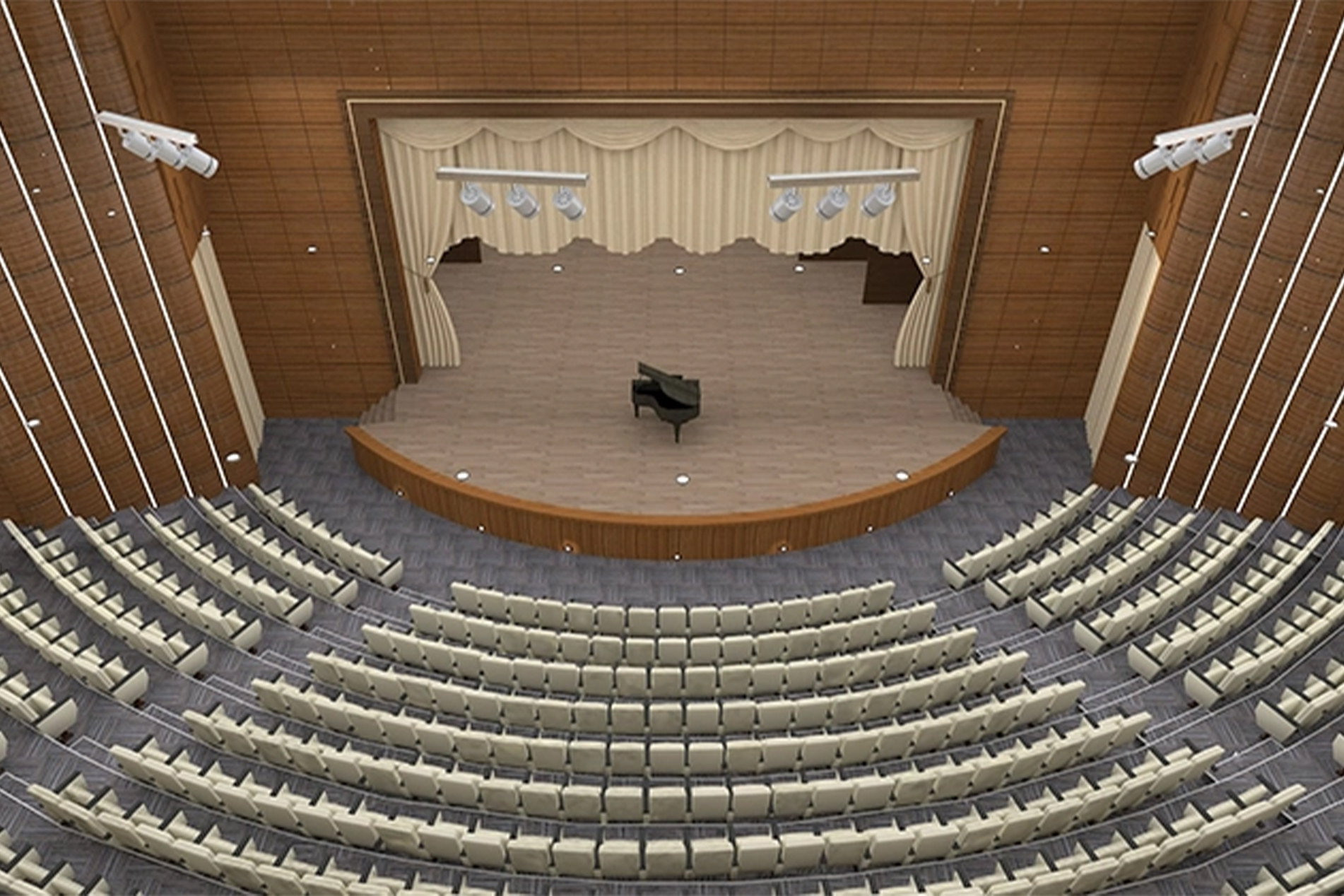
Ata Sahne Sanat Merkezi
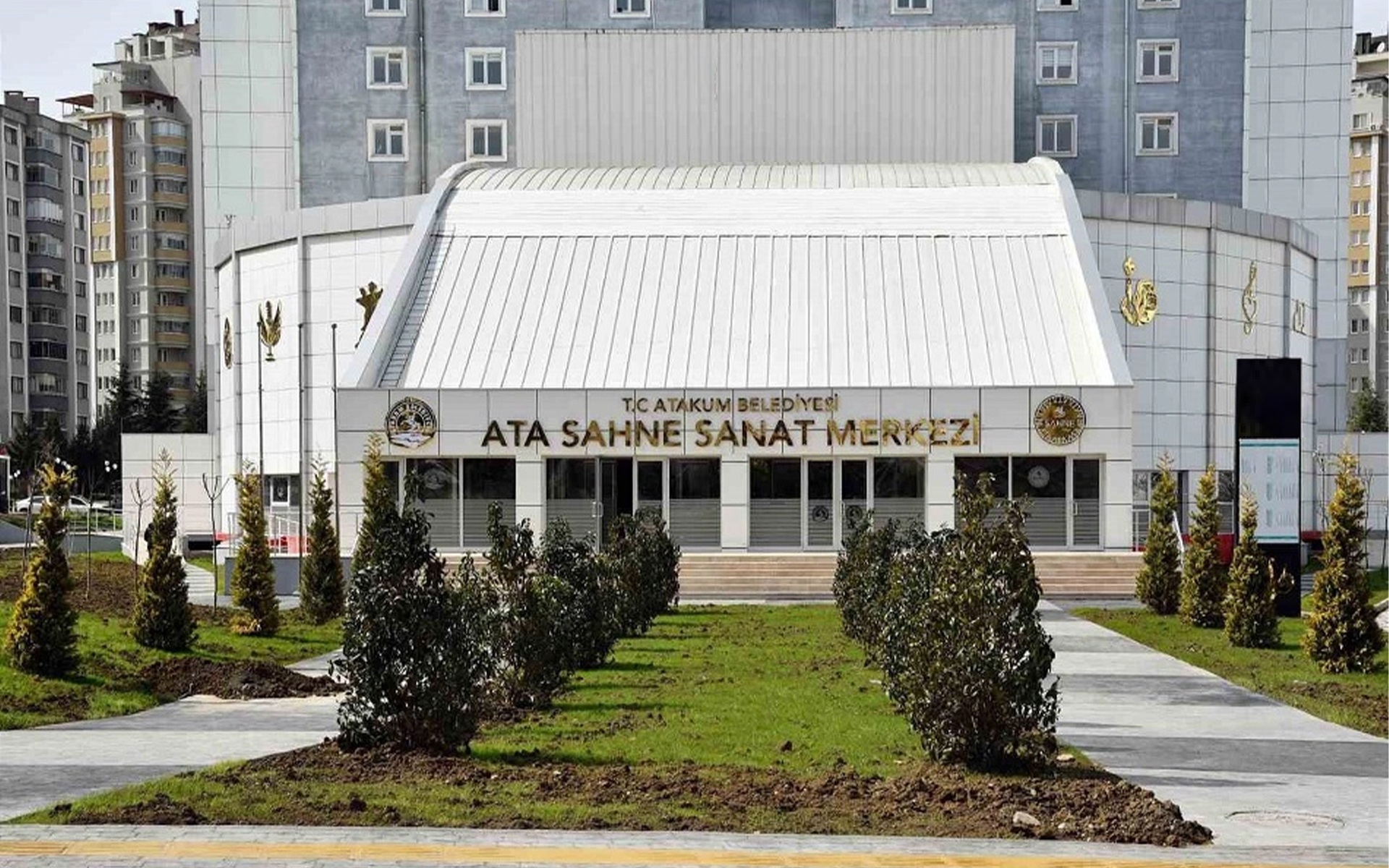
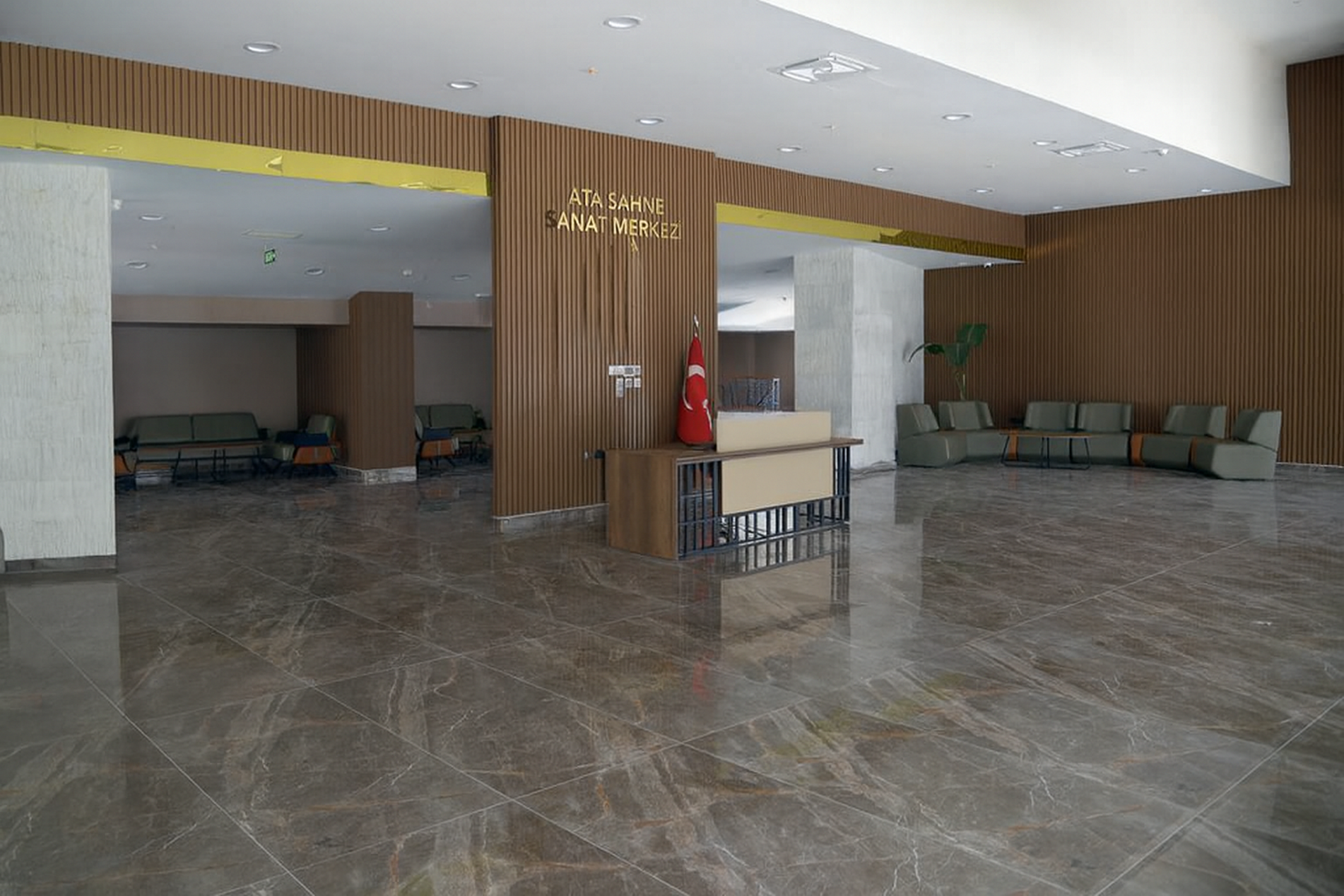
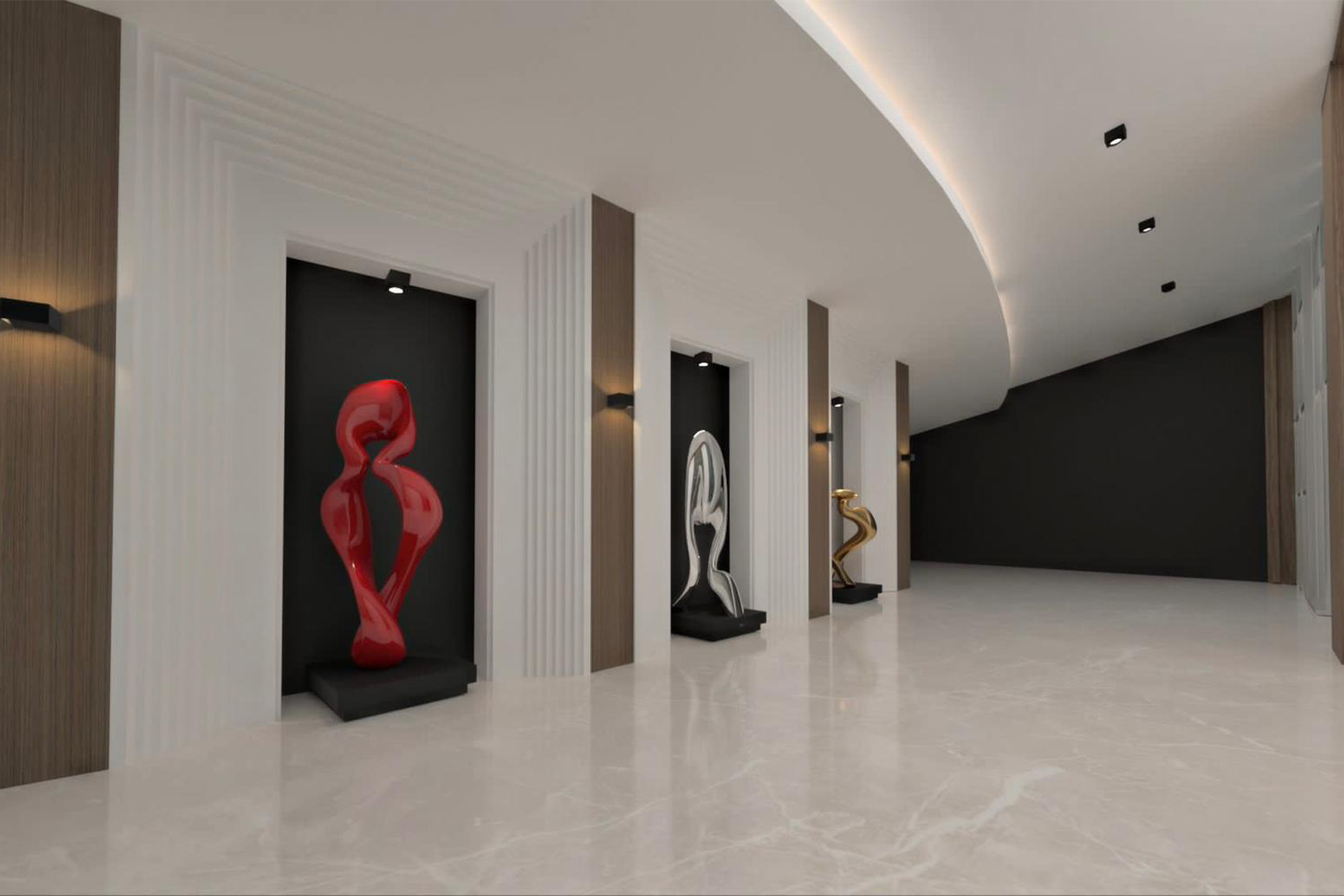
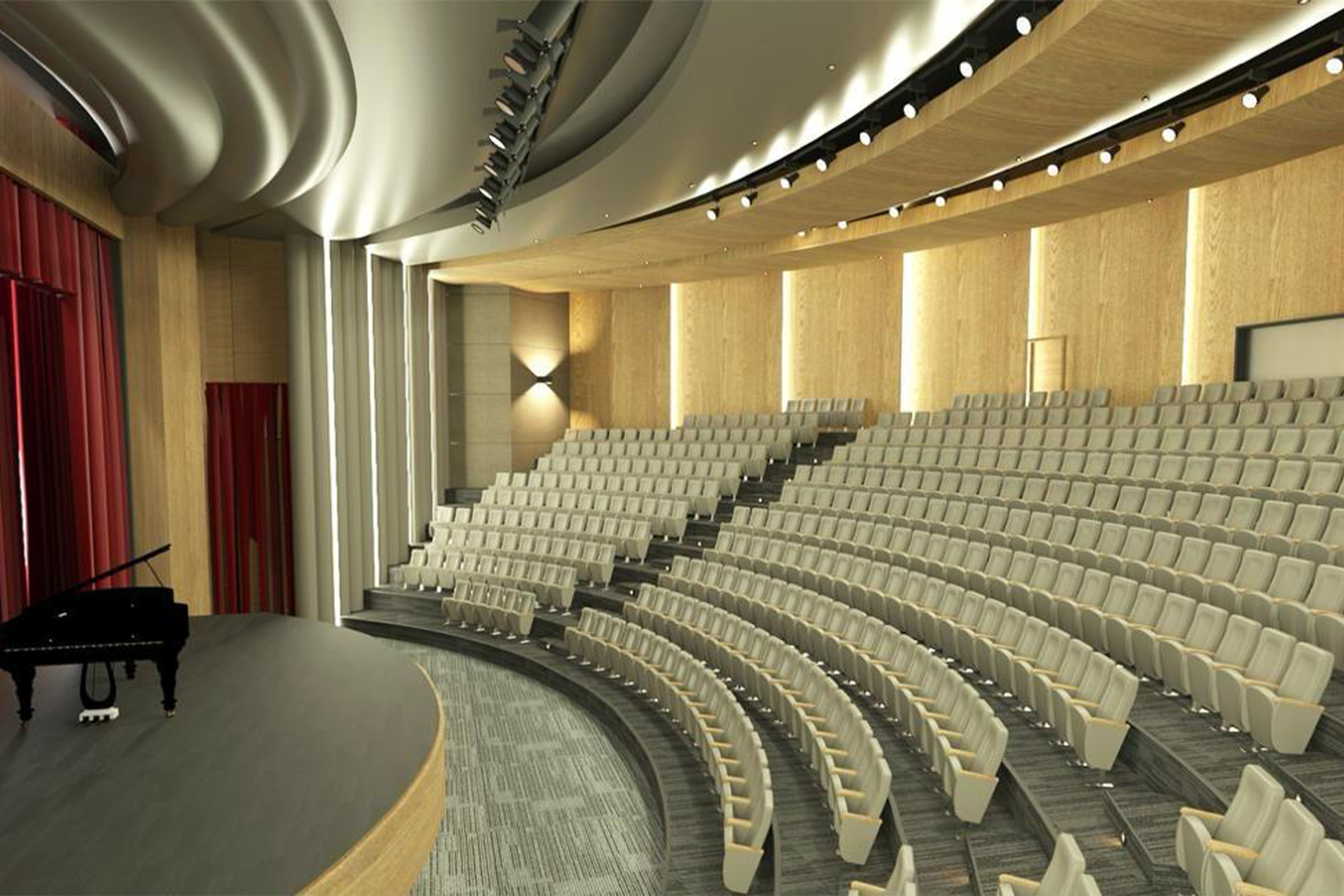
Ata Sahne, sanatseverleri kültür ve sanatla buluşturan önemli bir etkinlik alanıdır. Şehrin sanat hayatına katkı sağlayan Ata Sahne, tiyatro oyunları, konserler, çocuk etkinlikleri ve çeşitli sanatsal performanslara ev sahipliği yapar. Atakum Belediyesi'nin desteklediği bu sahne, kültürel zenginliği topluma ulaştırma misyonunu taşır ve her yaştan izleyiciye hitap eder. Büyükşehir Belediyemizin İl Milli Eğitim Müdürlüğü ile yapmış olduğu protokol kapsamında eğitim öğretim ve drama faaliyetlerine de destek sağlanmaktadır. Tiyatro sahneleri, okul dışı öğrenme ortamı olarak öğrencilerin hem akademik hem de sosyal gelişimlerini destekleyen zengin bir alan sunar. Öğrenciler tiyatroyu yalnızca kitaplardan öğrenmek yerine, sahne atmosferini doğrudan deneyimleyerek dekor, ışık, kostüm ve sahne arkasındaki ekip çalışması gibi unsurları yerinde gözlemleme fırsatı bulurlar. Bu ortam, drama ve rol yapma etkinlikleri sayesinde öğrencilerin aktif öğrenmesini sağlar; öğrenciler farklı derslerde işlenen konuları sahne üzerinde canlandırarak hem yaratıcılıklarını hem de iletişim becerilerini geliştirirler. Ayrıca tiyatro salonlarında yapılan rehberli turlar aracılığıyla sahne, kulis, prova odaları ve teknik alanlar tanıtılır, böylece öğrenciler tiyatro kültürü ve sahne teknolojileri hakkında kapsamlı bilgi edinirler.
Konum
Adres: 181. Sokak, Mimarsinan Mahallesi, Atakum, Samsun, Karadeniz Bölgesi, 55090, Türkiye
Ziyaret Gün ve Saatleri
Aşağıda belirtilen gün ve saatler arasında ziyarete açıktır.
Erişilebilirlik Özellikleri
Engelsiz erişim imkânlarının ve rehber hizmetlerinin bulunup bulunmadığı bilgisine yer verilmiştir.
- Engelsiz Erişim
- Rehberlik Hizmeti
Ziyaret Notları
Kurumumuza yapılacak ziyaretlerde önceden randevu alınması ve ziyaretçi sayısı konusunda bilgi verilmelidir. Kurumumuza yapılan ziyaretler ücretsizdir fakat temsil ve gösteriler ücrete tabidir. Kurumumuza dışardan yiyecek içecek getirilmesi, yüksek sesle konuşulması rica olunur. Öğrencilerimizin kaygan zemin ve merdivenler konusunda dikkatli olmaları, ziyaretçilerini rehberle birlikte gerçekleştirmeleri, ziyaret alanlarının dışına çıkmamaları önemlidir. Ziyaretçilerimiz kurum çevresinde yer alan ücretli restoran alanlarından yararlanabilirler.
İletişim Bilgileri
Öğrenme Çıktıları
- SNAB.1. Temel sanat kavramlarını ve türlerini anlayabilme
- SNAB.2. Sanat eseri inceleyebilme
- SNAB.3. Sanat eserlerine ve sanatçılara değer verebilme
- SNAB.4. Sanat etkinliği uygulayabilme
- MDB.1. Çeşitli çocuk şarkılarını/çocuk şarkısı formlarını dinleyebilme
- MDB.2. Dinlediği çocuk şarkılarına/çocuk şarkısı formlarına dair duygu ve düşüncelerini ifade edebilme
- MDB.3. Duyduğu seslerin kaynağını anlayabilme
- MDB.4. Dinlediği sözlü/ sözsüz müzik eserlerindeki/çocuk şarkılarındaki özellikleri fark edebilme
- MSB.1. Duyduğu sesleri kendi sesiyle taklit edebilme
- MSB.2. Çocuk şarkılarındaki/çocuk şarkısı formlarındaki özellikleri fark ederek söyleyebilme
- MÇB.1. Duyduğu sesleri çalgıyla taklit edebilme
- MÇB.2. Çalacağı çalgılara/ritimlere/ezgilere/çocuk şarkılarına/çocuk şarkısı formlarına dair duygu ve düşüncelerini ifade edebilme
- MÇB.3. Çaldığı ritimlerdeki/ezgilerdeki/çocuk şarkılarındaki/çocuk şarkısı formlarındaki özellikleri fark edebilme
- MÇB.4. Müziksel çalma becerilerini sergileyebilme
- MHB.1. Harekete ve dansa eşlik eden ritimlere/müzik eserlerine/çocuk şarkılarına/çocuk şarkısı formlarına dair duygu ve düşüncelerini ifade edebilme
- MHB.2. Harekete ve dansa eşlik eden ritimlerdeki/ müzik eserlerindeki/çocuk şarkılarındaki/çocuk şarkısı formlarındaki özellikleri fark edebilme
- MHB.3. Müzik ve ritimlerle hareket ve dans edebilme
- MYB.1. Müziksel deneyimlerinden yola çıkarak müziksel ürün ortaya koyabilme
- MYB.2. Ürettiği müziksel ürünlerini sergileyebilme
- HB.1.6.3. Sanatla ilgili merak ettiklerini sorabilme
- T.D.1.1. Dinleme/izlemeyi yönetebilme
- T.D.1.3. Dinlediklerini/izlediklerini çözümleyebilme
- T.K.1.1. Konuşmalarını yönetebilme
- T.K.1.2. Konuşmalarında içerik oluşturabilme
- T.K.1.3. Konuşma kurallarını uygulayabilme
- GS.1.1.2. Farklı renkler ve geometrik şekillerdeki doğal ve yapay malzemelerle kolaj yapabilme
- GS.1.3.1. Çağdaş Türk resim sanatında peyzaj temalı eserleri inceleyebilme
- GS.1.3.2. Renk ve şekil tekrarlarıyla doğa izlenimlerini yansıtan peyzaj yapabilme
- GS.1.4.1. Temel çizgi türlerini kullanarak serbest çizim yapabilme
- GS.1.5.1. Büyük-küçük şekiller ve renklerle resim yapabilme
- GS.1.6.1 23 Nisan Ulusal Egemenlik ve Çocuk Bayramı’nın önemine ilişkin düşüncelerini yansıtan renkli resim yapabilme
- MÜZ.1.1.3. Müziksel dinleyebilme
- MÜZ.1.1.6. Ortak repertuvardaki eserleri söyleyebilme
- MÜZ.1.1.1. İstiklâl Marşı’nın başlıca ögelerini çözümleyebilme
- MÜZ.1.2.2. Ritim veren vurmalı çalgıların özelliklerini karşılaştırabilme
- MÜZ.1.2.3. Farklı türdeki eserleri söyleyebilme
- MÜZ.1.2.6. Müzik eserlerine bedensel hareketlerle eşlik edebilme
- BEO.1.3.1. Ritmik hareket edebilme
- BEO.1.3.2. Eşle veya grupla hareket edebilme
- BEO.1.3.3. Takım veya grup liderliği sergileyebilme
- T.K.2.3. Konuşma kurallarını uygulayabilme
- T.D.2.1. Dinleme/izlemeyi yönetebilme
- T.D.2.2. Dinledikleri ile ilgili anlam oluşturabilme
- T.D.2.3. Dinlediklerini/izlediklerini çözümleyebilme
- T.K.2.1. Konuşmalarını yönetebilme
- T.K.2.2. Konuşmalarında içerik oluşturabilme
- HB.2.6.3. Sanatın günlük yaşamdaki yerini belirleyebilme
- GS.2.1.2. Renk ve biçim ilişkisini kurarak insan ve çevre bağlamındaki düşüncelerine yönelik sanatsal üretim yapabilme
- GS.2.3.1. Çağdaş Türk resim sanatında natürmort temalı eserleri inceleyebilme
- GS.2.3.2. Ana renkler, ara renkler ve biçim zıtlıklarıyla natürmort yapabilme
- GS.2.5.1. Ana, ara renkleri ve farklı çizgi türlerini kullanarak kent peyzajı yapabilme
- MÜZ.2.1.1. İstiklâl Marşı’nın sözcüklerini yorumlayabilme
- MÜZ.2.1.3. Farklı türdeki eserleri söyleyebilme
- MÜZ.2.1.4. Belirli gün ve haftalarla ilgili eserleri söyleyebilme
- MÜZ.2.1.6. Müzik eserlerine bedensel hareketlerle eşlik edebilme
- MÜZ.2.2.1. İstiklâl Marşı’nın başlıca ögelerini çözümleyebilme
- MÜZ.2.2.2. Ezgi veren vurmalı çalgıların özelliklerini karşılaştırabilme
- MÜZ.2.2.3. Farklı türdeki eserleri söyleyebilme
- MÜZ.2.2.6. Müzik eserlerine bedensel hareketlerle eşlik edebilme
- BEO.2.3.1. Belirlenen tempodaki müziğe uygun hareket edebilme
- BEO.2.3.2. Eşle veya grupla ritmik hareket etme becerisini sergileyebilme
- T.D.3.1. Dinleme/izlemeyi yönetebilme
- T.D.3.2. Dinledikleri/izledikleri ile ilgili anlam oluşturabilme
- T.D.3.3. Dinlediklerini/izlediklerini çözümleyebilme
- T.K.3.1. Konuşmalarını yönetebilme
- T.K.3.2. Konuşmalarında içerik oluşturabilme
- T.K.3.3. Konuşma kurallarını uygulayabilme
- HB.3.6.3. Sanatçıların sanata katkılarına yönelik verilen kaynaklardan bilgi toplayabilme
- HB.3.4.4. Millî birlik ve beraberliğimizin toplum hayatına katkılarını açıklayabilme
- GS.3.1.2. Sıcak veya soğuk renk uyumunu kullanarak Türkiye’deki tarihî mekânlara ve doğal güzelliklere ilişkin izlenimlerini yansıtan resim yapabilme
- GS.3.2.1. Anadolu halk kültüründeki sembol ve karakterlerin görsel mesajlarını okuyabilme
- GS.3.2.2. Anadolu halk kültüründeki sembolleri ve karakterleri kullanarak mozaik çalışması yapabilme
- GS.3.3.1. Çağdaş Türk resim sanatındaki figüratif resimleri inceleyebilme
- GS.3.3.2. Günlük yaşam sahnelerini yansıtan figüratif resim yapabilme
- GS.3.5.1. Zıt renkleri kullanarak imgesel resim yapabilme
- GS.3.6.1. Cumhuriyet’in ilk yıllarında görsel sanatlara verilen önemi yansıtan sanatsal üretim yapabilme
- MÜZ.3.1.1. İstiklâl Marşı’nı sözlerine dikkat ederek söyleyebilme
- MÜZ.3.1.3. Farklı türdeki eserleri söyleyebilme
- MÜZ.3.1.6. Müzik eserlerine bedensel hareketlerle eşlik edebilme
- MÜZ.3.2.6. Müzik eserlerine bedensel hareketlerle eşlik edebilme
- MÜZ.3.2.3. Farklı türdeki eserleri söyleyebilme
- MÜZ.3.2.2. Telli çalgıların özelliklerini karşılaştırabilme
- BEO.3.3.1. Farklı tempodaki müziğe uygun hareket edebilme
- BEO.3.3.2. Eşle veya grupla ritmik hareket edebilme
- T.D.4.2. Dinledikleri/izledikleri ile ilgili anlam oluşturabilme
- T.D.4.3 Dinlediklerini/izlediklerini çözümleyebilme
- T.D.4.5. Dinleme/izleme sürecini değerlendirebilme
- T.K.4.2. Konuşmalarında içerik oluşturabilme
- T.K.4.3. Konuşma kurallarını uygulayabilme
- T.D.4.1. Dinleme/izlemeyi yönetebilme
- T.D.4.3. Dinlediklerini/izlediklerini çözümleyebilme
- T.K.4.1. Konuşmalarını yönetebilme
- SB.4.3.1. Geçmişten günümüze çocuk oyun ve oyuncaklarının değişimini karşılaştırabilme
- İHVD.4.1.1. Çocuk olmanın özelliklerini belirleyebilme
- İHVD.4.1.2. Çocuk haklarıyla ilgili kanıta dayalı olarak oluşturduğu ürünü paylaşabilme
- İHVD.4.1.3. İnsan olmanın getirdiği temel hak ve özgürlükleri yorumlayabilme
- İHVD.4.2.3. Fırsat eşitliğinin anlamını yorumlayabilme
- İHVD.4.3.1. Vatandaş olmanın getirdiği hak ve özgürlükleri yorumlayabilme
- FB.4.1.1. Bilimin özellikleri ile ilgili yansıtma yapabilme
- FB.4.1.2. Bilgi kaynağının güvenilirliğini sorgulayabilme
- FB.4.7.2. Doğal ve yapay ışık kaynaklarını karşılaştırabilme
- FB.4.7.3. Işık kirliliğinin canlılara etkisine ilişkin probleme yönelik çözüm önerilerini değerlendirebilme
- GS.4.1.2. Canlıların korunmasına ilişkin düşüncelerine yönelik sanatsal üretim yapabilme
- GS.4.2.1. Sanat eserlerinde yer alan kültürel ve yerel göstergelerin mesajlarını okuyabilme
- GS.4.2.2. Kültürel ve yerel motiflerle resim yapabilme
- GS.4.3.1. Çağdaş Türk heykel sanatındaki figüratif eserleri inceleyebilme
- GS.4.6.1. Posta pullarındaki sembol ve motiflerden hareketle posta sanatı yapabilme
- MÜZ.4.1.1. İstiklâl Marşı’nı ritmine dikkat ederek söyleyebilme
- MÜZ.4.1.3. Farklı türdeki eserleri söyleyebilme
- MÜZ.4.1.6. Müzik eserlerine bedensel hareketlerle eşlik edebilme
- MÜZ.4.2.6. Müzik eserlerine bedensel hareketlerle eşlik edebilme
- MÜZ.4.2.5. Ortak repertuvardaki eserleri söyleyebilme
- MÜZ.4.2.3. Farklı türdeki eserleri söyleyebilme
- MÜZ.4.2.1. İstiklâl Marşı’nın başlıca ögelerini çözümleyebilme
- BEO.4.3.1. Birleştirilmiş hareket becerilerini kullanarak ritmik hareket becerilerini sergileyebilme
- BEO.4.3.2. Ritmik aktivitelerde grup liderliği sergileyebilme
- FB.5.4.3.1. Tam gölgeye yönelik bilimsel gözlem yapabilme
- FB.5.4.1.1. Bir kaynaktan çıkan ışığın her yönde doğrusal bir yol izlediğini gözlem yoluyla açıklayabilme
- FB.5.4.2.1. Maddeleri ışığı geçirme durumlarına göre sınıflandırabilme
- SB.5.4.3. Temel insan hak ve sorumluluklarının önemini sorgulayabilme
- SB.5.3.1. Yaşadığı ildeki ortak miras ögelerine ilişkin oluşturduğu ürünü paylaşabilme
- GS.5.2.1. Anadolu Türk kültürüne ait motiflerdeki görsel mesajları okuyabilme
- GS.5.2.2. Anadolu Türk kültürüne ait estetik motiflerle kolaj yapabilme
- GS.5.3.1. Geleneksel minyatürlerle minyatür etkisi taşıyan çağdaş sanat eserlerini karşılaştırmalı olarak inceleyebilme
- GS.5.3.2. Tarihî ve mitolojik konularda minyatür özelliği gösteren sanatsal üretim yapabilme
- GS.5.4.1. Doğal nesnelerin doku özelliklerini yansıtan desen yapabilme
- GS.5.6.1. Millî bayramlarla ilgili değerleri geleneksel çocuk oyunlarıyla ilişkilendirerek sanatsal üretim yapabilme
- MÜZ.5.1.1. İstiklâl Marşı’nı ezgisine dikkat ederek söyleyebilme
- MÜZ.5.1.5. Müzik eserlerine bedensel hareketlerle eşlik edebilme
- MÜZ.5.1.7. Güzel sanatlarla ilgili kavramları sınıflandırabilme
- ENG.5.4.L1. Students can get ready for the listening/watching-comprehension process for the current content on “family life with family members’ routines; family members’ hobbies and activities” carefully.
- ENG.5.4.L2. Students can bring information about the current content on “family life with family members’ routines; family members’ hobbies and activities” together through significant details and main components while listening/watching it.
- ENG.5.4.L3. Students can make meaning of/derive meaning from the current content on “family life with family members’ routines; family members’ hobbies and activities” through significant details by listening/watching it carefully.
- ENG.5.4.L4. Students can convey their knowledge, experience, thoughts, and feelings examined carefully about the whole listening/watching-comprehension process in relation to the current content on “family life with family members’ routines; family members’ hobbies and activities”.
- ENG.5.4.P1. Students can select and use the target phonological elements of the current content about “family life with family members’ routines; family members’ hobbies and activities” accurately, authentically, and naturally through spontaneous decision-making processes and use it in an appropriate and effective way when communicating with others.
- ENG.5.4.R1. Students can get ready for the writing-comprehension process about the current content on “family life with family members’ routines; family members’ hobbies and activities”.
- ENG.5.4.R2. Students can bring information about the current content on “family life with family members’ routines; family members’ hobbies and activities” through skimming (looking quickly at) the audio-visual elements and reading the content very quickly.
- ENG.5.4.R3. Students can make meaning of / derive meaning from the current content about “family life with family members’ routines; family members’ hobbies and activities” by reading it carefully.
- ENG.5.4.R4. Students can convey their knowledge, experiences, thoughts, and feelings related to the reading-comprehension process about the current content, “family life with family members’ routines; family members’ hobbies and activities” in relation to themselves or others, both individually and/or with others.
- ENG.5.4.V1. Students can select and use the target vocabulary of the current content about “family life with family members’ routines; family members’ hobbies and activities” accurately, authentically, spontaneously, and naturally and use it appropriately and effectively when communicating with others.
- ENG.5.4.G1. Students can select and use the target grammatical elements of the current content about “family life with family members’ routines; family members’ hobbies and activities” accurately, authentically, spontaneously, and naturally and use it appropriately and effectively when communicating with others.
- ENG.5.4.W1. . Students can get ready for the writing-expression process about the current content on “family life with family members’ routines; family members’ hobbies and activities”.
- ENG.5.4.S1. Students can get ready for speaking-expression process about the current content on “family life with family members’ routines; family members’ hobbies and activities”.
- ENG.5.5.L1. Students can get ready for the listening/watching-comprehension process for the current content on “life in the neighbourhood and city with places for recreation and attractions in the neighbourhood and city ; different types of houses” carefully.
- ENG.5.5.L2. Students can bring information about the current content on “life in the neighbourhood and city with places for recreation and attractions in the neighbourhood and city ; different types of houses” together through significant details and main components while listening/ watching it.
- ENG.5.5.L3. Students can make meaning of/derive meaning from the current content on “life in the neighbourhood and city with places for recreation and attractions in the neighbourhood and city ; different types of houses” through significant details by listening/watching it carefully.
- ENG.5.5.L4. Students can convey their knowledge, experience, thoughts, and feelings examined carefully about the whole listening/watching-comprehension process in relation to the current content on “life in the neighbourhood and city with places for recreation and attractions in the neighbourhood and city ; different types of houses”.
- ENG.5.5.P1. Students can select and use the target phonological elements of the current content about “life in the neighbourhood and city with places for recreation and attractions in the neighbourhood and city ; different types of houses” accurately, authentically, and naturally through spontaneous decision-making processes and use it in an appropriate and effective way when communicating with others.
- ENG.5.5.R1. Students can get ready for the reading-comprehension process about the current content on “life in the neighbourhood and city with places for recreation and attractions in the neighbourhood and city ; different types of houses”.
- ENG.5.5.R2. Students can bring information about the current content on “life in the neighbourhood and city with places for recreation and attractions in the neighbourhood and city ; different types of houses” through skimming (looking quickly at) the audio-visual elements and reading the content very quickly.
- ENG.5.5.R3. Students can bring information about the current content on “life in the neighbourhood and city with places for recreation and attractions in the neighbourhood and city ; different types of houses” through skimming (looking quickly at) the audio-visual elements and reading the content very quickly.
- ENG.5.5.R4. Students can convey their knowledge, experiences, thoughts, and feelings related to the reading-comprehension process about the current content, “life in the neighbourhood and city with places for recreation and attractions in the neighbourhood and city ; different types of houses” in relation to themselves or others, both individually and/or with others.
- ENG.5.5.V1. Students can select and use the target vocabulary of the current content about “life in the neighbourhood and city with places for recreation and attractions in the neighbourhood and city ; different types of houses” accurately, authentically, spontaneously, and naturally and use it appropriately and effectively when communicating with others.
- ENG.5.5.G1. Students can select and use the target grammatical elements of the current content about “life in the neighbourhood and city with places for recreation and attractions in the neighbourhood and city ; different types of houses” accurately, authentically, spontaneously, and naturally and use it appropriately and effectively when communicating with others.
- ENG.5.5.W1. Students can get ready for the writing-expression process about the current content on “life in the neighbourhood and city with places for recreation and attractions in the neighbourhood and city ; different types of houses”.
- ENG.5.5.S1. Students can get ready for speaking-expression process about the current content on “life in the neighbourhood and city with places for recreation and attractions in the neighbourhood and city ; different types of houses”.
- ENG.5.5.L1. Students can get ready for the listening/watching-comprehension process for the current content on “life in the neighbourhood and city with attractions and recreational places, services, and transportation in the neighbourhood and the city” carefully.
- ENG.5.5.L2. Students can bring information about the current content on “life in the neighbourhood and city with attractions and recreational places, services, and transportation in the neighbourhood and the city” together through significant details and main components while listening (to)/ watching it.
- ENG.5.5.L3. Students can make meaning of/derive meaning from the current content on “life in the neighbourhood and city with attractions and recreational places, services, and transportation in the neighbourhood and the city” through significant details by listening (to)/watching it carefully.
- ENG.5.5.L4. Students can convey their knowledge, experience, thoughts, and feelings examined carefully about the whole listening/watching-comprehension process in relation to the current content on “life in the neighbourhood and city with attractions and recreational places, services, and transportation in the neighbourhood and the city”.
- ENG.5.5.P1. Students can select and use the target phonological elements of the current content about “life in the neighbourhood and city with attractions and recreational places, services, and transportation in the neighbourhood and the city” accurately, authentically, and naturally through spontaneous decision-making processes and use it in an appropriate and effective way when communicating with others.
- ENG.5.5.R1. Students can get ready for the reading-comprehension process about the current content on “life in the neighbourhood and city with attractions and recreational places, services, and transportation in the neighbourhood and the city”.
- ENG.5.5.R2. Students can bring information about the current content on “life in the neighbourhood and city with attractions and recreational places, services, and transportation in the neighbourhood and the city” through skimming (looking quickly at) the audio-visual elements and reading the content very quickly.
- ENG.5.5.R3. Students can make meaning of / derive meaning from the current content about “life in the neighbourhood and city with attractions and recreational places, services, and transportation in the neighbourhood and the city” by reading it carefully.
- ENG.5.5.R4. Students can convey their knowledge, experiences, thoughts, and feelings related to the reading-comprehension process about the current content, “life in the neighbourhood and city with attractions and recreational places, services, and transportation in the neighbourhood and the city” in relation to themselves or others, both individually and/or with others.
- ENG.5.5.V1. Students can select and use the target vocabulary of the current content about “life in the neighbourhood and city with attractions and recreational places, services, and transportation in the neighbourhood and the city” accurately, authentically, spontaneously, and naturally and use it appropriately and effectively when communicating with others.
- ENG.5.5.G1. Students can select and use the target grammatical elements of the current content about “life in the neighbourhood and city with attractions and recreational places, services, and transportation in the neighbourhood and the city” accurately, authentically, spontaneously, and naturally and use it appropriately and effectively when communicating with others.
- ENG.5.5.W1. Students can get ready for the writing-expression process about the current content on “life in the neighbourhood and city with attractions and recreational places, services, and transportation in the neighbourhood and the city”.
- ENG.5.5.S1. Students can get ready for speaking-expression process about the current content on “life in the neighbourhood and city with attractions and recreational places, services, and transportation in the neighbourhood and the city”.
- FB.6.4.1.1. Işığın farklı yüzeylerdeki yansıma olaylarına ilişkin bilimsel çıkarım yapabilme
- FB.6.4.1.2. Işığın yansımasında gelen ışın, yansıyan ışın ve yüzeyin normali arasındaki ilişkiyi kanıt kullanarak açıklayabilme
- FB.6.4.2.1. Günlük hayattaki ayna çeşitlerine ilişkin bilimsel çıkarım yapabilme
- FB.6.4.3.1. Işığın madde ile etkileşimi sonucunda soğurulabileceğini gözlemleyebilme
- FB.6.4.3.2. Beyaz ışığın tüm ışık renklerinin bileşiminden oluştuğuna ilişkin bilimsel çıkarım yapabilme
- FB.6.4.3.3. Cisimlerin siyah, beyaz ve renkli görünmesinin nedenini gözlem verileriyle açıklayabilme
- FB.6.4.3.4. Güneş enerjisinin günlük hayat ve teknolojideki yenilikçi uygulamalarına ilişkin eleştirel düşünebilme
- SB.6.4.2. Toplumsal düzenin sürdürülmesinde temel hak ve sorumlulukların önemini yorumlayabilme
- GS.6.2.1. Farklı kültürlere ait günlük eşyalar, kıyafetler ve mimarideki görsel mesajları okuyabilme
- GS.6.2.2. Farklı kültürlere ait estetik motiflerle ileri dönüşüm ürünü yapabilme
- GS.6.3.2. Modern tasarım anlayışına uygun kaligrafik kompozisyon yapabilme
- GS.6.4.1. Simetrik üçgen kompozisyon yapısına uygun natürmort yapabilme
- GS.6.5.1. Merkezî kompozisyon yapısına uygun portre yapabilme
- GS.6.6.1. Cumhuriyet’in özgürlük, eşitlik, adalet ve bağımsızlık değerlerini yansıtan sanatsal üretim yapabilme
- ENG.6.5.L1. Students can get ready for the listening/watching-comprehension process for the current content on “life in the neighbourhood and the city with festivals and events (sports, music, arts) in the neighbourhood and city; transportation in the neighbourhood and the city” carefully.
- ENG.6.5.L2. Students can bring information about the current content on “life in the neighbourhood and the city with festivals and events (sports, music, arts) in the neighbourhood and city; transportation in the neighbourhood and the city” together through significant details and main components while listening/watching it.
- ENG.6.5.L3. Students can make meaning of/derive meaning from the current content on “life in the neighbourhood and the city with festivals and events (sports, music, arts) in the neighbourhood and city; transportation in the neighbourhood and the city” through significant details by listening/watching it carefully.
- ENG.6.5.L4. Students can convey their knowledge, experience, thoughts, and feelings examined carefully about the whole listening/watching-comprehension process in relation to the current content on “life in the neighbourhood and the city with festivals and events (sports, music, arts) in the neighbourhood and city; transportation in the neighbourhood and the city”.
- ENG.6.5.P1. Students can select and use the target phonological elements of the current content about “life in the neighbourhood and the city with festivals and events (sports, music, arts) in the neighbourhood and city; transportation in the neighbourhood and the city” accurately, authentically, and naturally through spontaneous decision-making processes and use it in an appropriate and effective way when communicating with others.
- ENG.6.5.R1. Students can get ready for the reading-comprehension process about the current content on “life in the neighbourhood and the city with festivals and events (sports, music, arts) in the neighbourhood and city; transportation in the neighbourhood and the city”.
- ENG.6.5.R2. Students can bring information about the current content on “life in the neighbourhood and the city with festivals and events (sports, music, arts) in the neighbourhood and city; transportation in the neighbourhood and the city” through skimming (looking quickly at) the audio-visual elements and reading the content very quickly.
- ENG.6.5.R3. Students can make meaning of / derive meaning from the current content about “life in the neighbourhood and the city with festivals and events (sports, music, arts) in the neighbourhood and city; transportation in the neighbourhood and the city” by reading it carefully.
- ENG.6.5.R4. Students can convey their knowledge, experiences, thoughts, and feelings related to the reading-comprehension process about the current content, “life in the neighbourhood and the city with festivals and events (sports, music, arts) in the neighbourhood and city; transportation in the neighbourhood and the city” in relation to themselves or others, both individually and/or with others.
- ENG.6.5.V1. Students can select and use the target vocabulary of the current content about “life in the neighbourhood and the city with festivals and events (sports, music, arts) in the neighbourhood and city; transportation in the neighbourhood and the city” accurately, authentically, spontaneously, and naturally and use it appropriately and effectively when communicating with others.
- ENG.6.5.G1. Students can select and use the target grammatical elements of the current content about “life in the neighbourhood and the city with festivals and events (sports, music, arts) in the neighbourhood and city; transportation in the neighbourhood and the city” accurately, authentically, spontaneously, and naturally and use it appropriately and effectively when communicating with others.
- ENG.6.5.W1. Students can get ready for the writing-expression process about the current content on “life in the neighbourhood and the city with festivals and events (sports, music, arts) in the neighbourhood and city; transportation in the neighbourhood and the city”.
- ENG.6.5.S1. Students can get ready for speaking-expression process about the current content on “life in the neighbourhood and the city with festivals and events (sports, music, arts) in the neighbourhood and city; transportation in the neighbourhood and the city”.
- T.D.7.1. Dinlemede/izlemede materyal seçimini yönetebilme
- T.D.7.2. Dinlemede/izlemede strateji ve yöntem seçimlerini yönetebilme
- T.D.7.6. Görselle iletilen anlamı belirleyebilme
- T.D.7.11. Dinlediğindeki/izlediğindeki unsurları sınıflandırabilme
- T.D.7.12. Dinlediğini/izlediğini yorumlayabilme
- T.D.7.27. Dinleme/izleme sürecine yönelik öz yansıtma yapabilme/kendini uyarlayabilme
- T.K.7.1. Konuşma sürecini yönetebilme
- T.K.7.11. Konuşmasında tahminlerinden yararlanabilme
- T.K.7.12. Konuşmasında karşılaştırma yapabilme
- T.K.7.20. Hazırlıklı konuşmasını yapılandırabilme
- T.K.7.23. Konuşmasında açık ve örtük ifadeleri kullanabilme
- T.K.7.26. Konuşma sürecine yönelik öz yansıtma yapabilme/kendini uyarlayabilme
- FB.7.4.1.1. Ortam değiştiren ışığın izlediği yolu gözlemleyerek kırılma olayına yönelik bilimsel çıkarım yapabilme
- FB.7.4.2.1. Mercek çeşitlerine yönelik bilimsel çıkarım yapabilme
- FB.7.4.2.2. Merceklerin günlük hayatta kullanım alanlarını örneklerle sınıflandırabilme
- GS.7.6.1. Dünya çocuklarına yönelik barış ve dostluk mesajlarını yansıtan sanatsal üretim yapabilme
- ENG.7.4.L1. Students can prepare and get ready for listening (to)/watching about the current content on “family life and home with family members’ hobbies (sports, books, films, music, cooking); generation gap in the family: problems and solutions”.
- ENG.7.4.L2. Students can bring together the information in the current content on “family life and home with family members’ hobbies (sports, books, films, music, cooking); generation gap in the family: problems and solutions”.
- ENG.7.4.L3. Students can make sense of and derive meaning from the current content on “family life and home with family members’ hobbies (sports, books, films, music, cooking); generation gap in the family: problems and solutions”.
- ENG.7.4.L4. Students can reflect on the information, experiences, thoughts, ideas, and feelings related to the listening (to)/watching process about the current content on “family life and home with family members’ hobbies (sports, books, films, music, cooking); generation gap in the family: problems and solutions” in relation to themselves or others, both individually and/or with others.
- ENG.7.4.P1. Students can select and use target phonological aspects such as pronunciation and intonation of target sounds, words, phrases, clauses, and sentences in utterances authentically, naturally, and accurately in the current content about “family life and home with family members’ hobbies (sports, books, films, music, cooking); generation gap in the family: problems and solutions” to develop holistic and conscious pronunciation skills after recognising them in context.
- ENG.7.4.R1. Students can prepare for reading the content on “family life and home with family members’ hobbies (sports, books, films, music, cooking); generation gap in the family: problems and solutions” efficiently and effectively.
- ENG.7.4.R2. Students can bring information together about the current content on “family life and home with family members’ hobbies (sports, books, films, music, cooking); generation gap in the family: problems and solutions” through skimming, scanning and detailed reading.
- ENG.7.4.R3. Students can make sense of and derive meaning from the current content on “family life and home with family members’ hobbies (sports, books, films, music, cooking); generation gap in the family: problems and solutions”.
- ENG.7.4.R4. Students can reflect on the information, experiences, thoughts, ideas, and feelings related to the reading process about the current content on “family life and home with family members’ hobbies (sports, books, films, music, cooking); generation gap in the family: problems and solutions” in relation to themselves or others, both individually and/or with others.
- ENG.7.4.V1. Students can select and use target vocabulary efficiently, effectively, and accurately, based on the current content about “family life and home with family members’ hobbies (sports, books, films, music, cooking); generation gap in the family: problems and solutions” after recognising them in context and developing their conscious and inductive vocabulary learning skills.
- ENG.7.4.G1. Students can select and use target grammatical language items efficiently, effectively, and accurately, based on the current content about “family life and home with family members’ hobbies (sports, books, films, music, cooking); generation gap in the family: problems and solutions”, after recognising them in context and developing their conscious and inductive grammaring skills through consciousness-raising and discovery.
- ENG.7.4.W1. Students can prepare for writing efficiently and accurately based on the current content about “family life and home with family members’ hobbies (sports, books, films, music, cooking); generation gap in the family: problems and solutions”.
- ENG.7.4.S1. Students can prepare themselves to speak meaningfully, fluently, and efficiently about the current content on “family life and home with family members’ hobbies (sports, books, films, music, cooking); generation gap in the family: problems and solutions”.
- T.D.8.1. Dinlemede/izlemede materyal seçimini yönetebilme
- T.D.8.4. Dinlediğinde/izlediğinde geçen anlamını bilmediği söz varlığı unsurlarının anlamını tahmin edebilme
- T.D.8.9. Dinlediğini/izlediğini kendi içinde karşılaştırabilme
- T.D.8.11. Dinlediğindeki/izlediğindeki unsurları sınıflandırabilme
- T.D.8.12. Dinlediğini/izlediğini yorumlayabilme
- T.D.8.27. Dinleme/izleme sürecine yönelik öz yansıtma yapabilme/kendini uyarlayabilme
- T.K.8.1. Konuşma sürecini yönetebilme
- T.K.8.10. Sözlü sunum yapabilme
- T.K.8.12. Konuşmasında karşılaştırma yapabilme
- T.K.8.16. Değerlendirmesini sözlü olarak ifade edebilme
- T.K.8.26. Konuşma sürecine yönelik öz yansıtma yapabilme/kendini uyarlayabilme
- FB.8.4.2.2. Farklı maddeler ile etkileşimi sonucunda sesin iletilmesi, yansıması ve soğurulmasına ilişkin bilimsel çıkarım yapabilme
- FB.8.4.1.1 Sesin oluşumuna yönelik bilimsel çıkarım yapabilme
- FB.8.4.1.2. Sesin yayılabildiği ortamlara yönelik deney yapabilme
- FB.8.4.1.3 Sesin frekansına göre ince veya kalın olarak işitilmesine neden olan ses özellikleri ile ilgili deney yapabilme
- FB.8.4.2.1. Ses ile ilgili değişkenlerin işitmeye etkisi hakkında hipotez oluşturabilme
- İTA.8.4.2. Türk modernleşmesi çerçevesinde Atatürk’ün yaptığı inkılapları neden ve sonuçlarıyla yorumlayabilme
- İTA.8.4.3. Atatürk ilke ve inkılapları arasındaki ilişkiyi ortaya koyan özgün bir ürün oluşturabilme
- GS.8.3.1. Modern sanat akımlarındaki estetik yaklaşımların, toplumsal ve kültürel değişimlerle ilişkisi hakkında eleştirel düşünebilme
- GS.8.3.2. Fovizm, kübizm ve pop sanat dönemlerinde üretilmiş sanat eserlerini inceleyebilme
- GS.8.3.3. Modern sanat akımlarındaki estetik yaklaşımlardan hareketle temellük sanatı yapabilme
- GS.8.5.1. Renk perspektifine uygun dış mekân resmi yapabilme
- GS.8.6.1. Bağımsızlığın uluslararası önemini kavrayarak millî mücadele değerlerini yansıtan sanatsal üretim yapabilme
- ENG.8.3.L1. Students can prepare and get ready for listening (to)/watching about the current content on “personal life and well-being with mobile phones and their impact on health and social life; personal preferences for films and visual arts”.
- ENG.8.3.L2. Students can bring together the information in the current content on “personal life and wellbeing with mobile phones and their impact on health and social life; personal preferences for films and visual arts”.
- ENG.8.3.L3. Students can make sense of and derive meaning from the current content on “personal life and well-being with mobile phones and their impact on health and social life; personal preferences for films and visual arts”.
- ENG.8.3.L4. Students can reflect on the information, experiences, thoughts, ideas, and feelings related to the listening (to)/watching process about the current content on “personal life and well-being with mobile phones and their impact on health and social life; personal preferences for films and visual arts” in relation to themselves or others, both individually and/or with others.
- ENG.8.3.P1. Students can select and use target phonological aspects such as pronunciation and intonation of target sounds, words, phrases, clauses, and sentences in utterances authentically, naturally, and accurately in the current content about “personal life and well-being with mobile phones and their impact on health and social life; personal preferences for films and visual arts” to develop holistic and conscious pronunciation skills after recognising them in context.
- ENG.8.3.R1. Students can prepare for reading the content on “personal life and well-being with mobile phones and their impact on health and social life; personal preferences for films and visual arts” efficiently and effectively.
- ENG.8.3.R2. Students can bring information together about the current content on “personal life and wellbeing with mobile phones and their impact on health and social life; personal preferences for films and visual arts” through skimming, scanning and detailed reading.
- ENG.8.3.R3. Students can make sense of and derive meaning from the current content on “personal life and well-being with mobile phones and their impact on health and social life; personal preferences for films and visual arts”.
- ENG.8.3.R4. Students can reflect on the information, experiences, thoughts, ideas, and feelings related to the reading process about the current content on “personal life and well-being with mobile phones and their impact on health and social life; personal preferences for films and visual arts” in relation to themselves or others, both individually and/or with others.
- ENG.8.3.V1. Students can select and use target vocabulary efficiently, effectively, and accurately, based on the current content about “personal life and well-being with mobile phones and their impact on health and social life; personal preferences for films and visual arts” after recognising them in context and developing their conscious and inductive vocabulary learning skills.
- ENG.8.3.G1. Students can select and use target grammatical language items efficiently, effectively, and accurately, based on the current content about “personal life and well-being with mobile phones and their impact on health and social life; personal preferences for films and visual arts”, after recognising them in context and developing their conscious and inductive grammaring skills through consciousness-raising and discovery.
- ENG.8.3.W1. Students can prepare for writing efficiently and accurately based on the current content about “personal life and well-being with mobile phones and their impact on health and social life; personal preferences for films and visual arts”.
- ENG.8.3.S1. Students can prepare themselves to speak meaningfully, fluently, and efficiently about the current content on “personal life and well-being with mobile phones and their impact on health and social life; personal preferences for films and visual arts”.
- ENG.8.5.L1. Students can prepare and get ready for listening (to)/watching about the current content on “life in the neighbourhood and city and social life with city development and city services; future of cities”.
- ENG.8.5.L2. Students can bring together the information in the current content on “life in the neighbourhood and city and social life with city development and city services; future of cities”.
- ENG.8.5.L3. Students can make sense of and derive meaning from the current content on “life in the neighbourhood and city and social life with city development and city services; future of cities”.
- ENG.8.5.L4. Students can reflect on the information, experiences, thoughts, ideas, and feelings related to the listening (to)/watching process about the current content on “life in the neighbourhood and city and social life with city development and city services; future of cities” in relation to themselves or others, both individually and/or with others.
- ENG.8.5.P1. Students can select and use target phonological aspects such as pronunciation and intonation of target sounds, words, phrases, clauses, and sentences in utterances authentically, naturally, and accurately in the current content about “life in the neighbourhood and city and social life with city development and city services; future of cities” to develop holistic and conscious pronunciation skills after recognising them in context.
- ENG.8.5.R1. Students can prepare for reading the content on “life in the neighbourhood and city and social life with city development and city services; future of cities” efficiently and effectively.
- ENG.8.5.R2. Students can bring information together about the current content on “life in the neighbourhood and city and social life with city development and city services; future of cities” through skimming, scanning and detailed reading.
- ENG.8.5.R3 . Students can make sense of and derive meaning from the current content on “life in the neighbourhood and city and social life with city development and city services; future of cities”.
- ENG.8.5.R4 . Students can reflect on the information, experiences, thoughts, ideas, and feelings related to the reading process about the current content on “life in the neighbourhood and city and social life with city development and city services; future of cities” in relation to themselves or others, both individually and/or with others.
- ENG.8.5.V1. Students can select and use target vocabulary efficiently, effectively, and accurately, based on the current content about “life in the neighbourhood and city and social life with city development and city services; future of cities” after recognising them in context and developing their conscious and inductive vocabulary learning skills.
- ENG.8.5.G1. Students can select and use target grammatical language items efficiently, effectively, and accurately, based on the current content about “life in the neighbourhood and city and social life with city development and city services; future of cities”, after recognising them in context and developing their conscious and inductive grammaring skills through consciousnessraising and discovery.
- ENG.8.5.W1. Students can prepare for writing efficiently and accurately based on the current content about “life in the neighbourhood and city and social life with city development and city services; future of cities”.
- ENG.8.5.S1. Students can prepare themselves to speak meaningfully, fluently, and efficiently about the current content on “life in the neighbourhood and city and social life with city development and city services; future of cities”.