

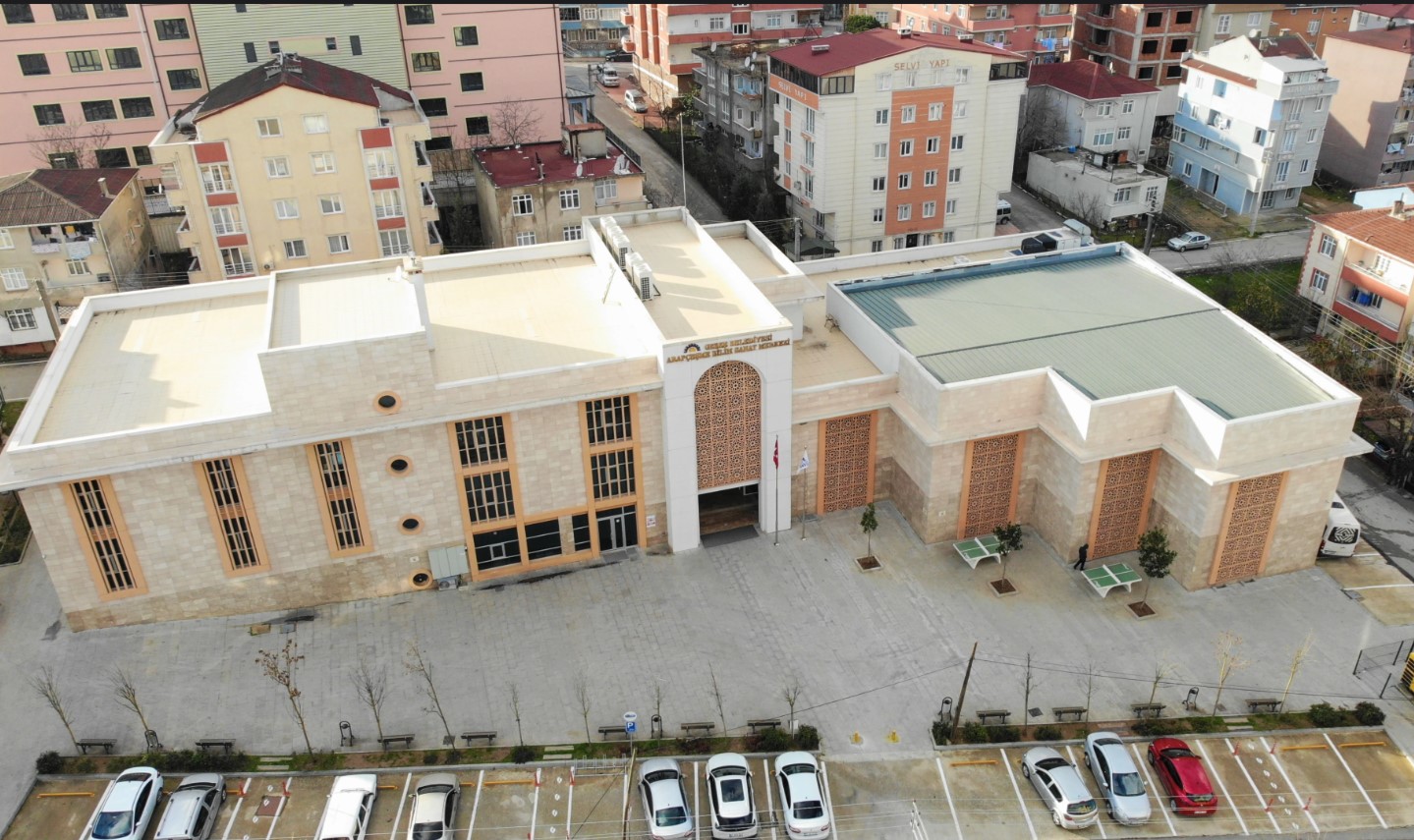
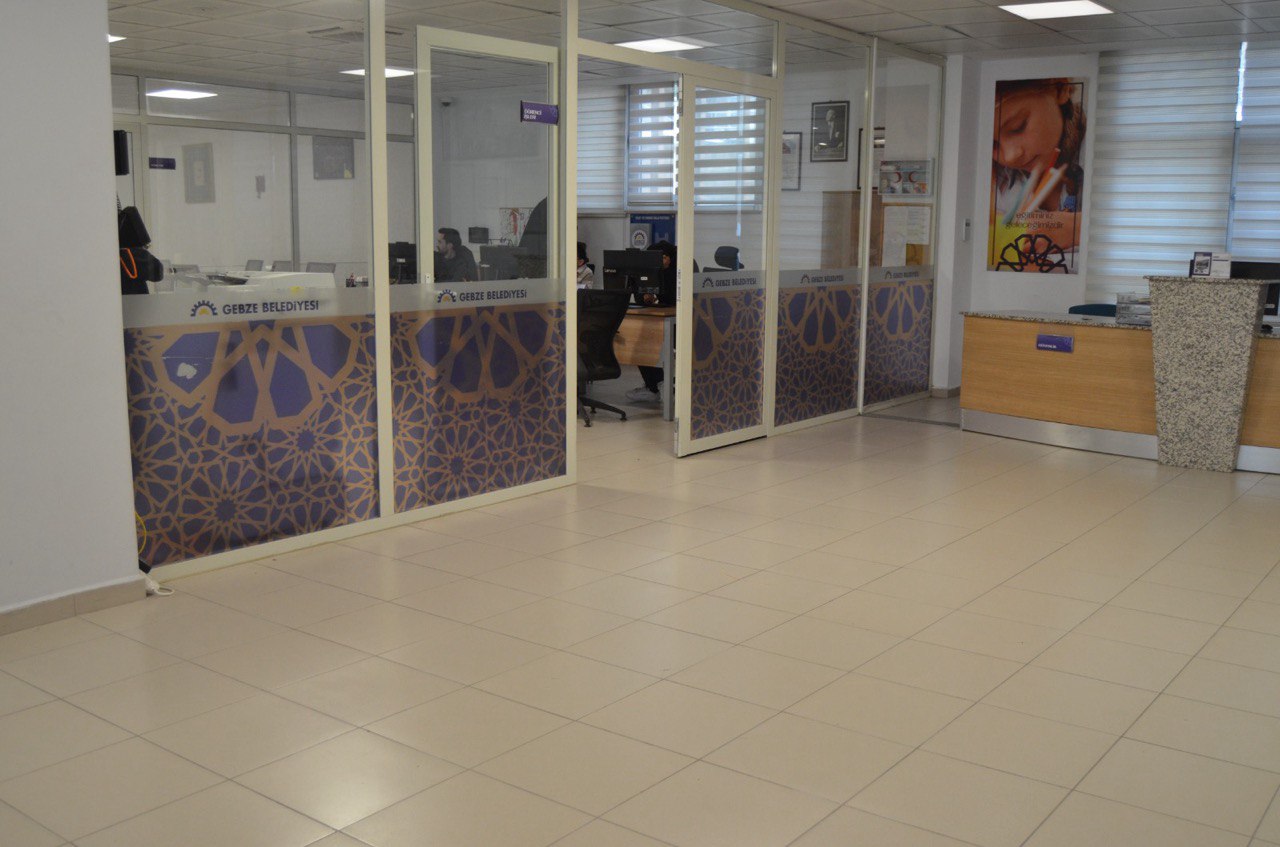
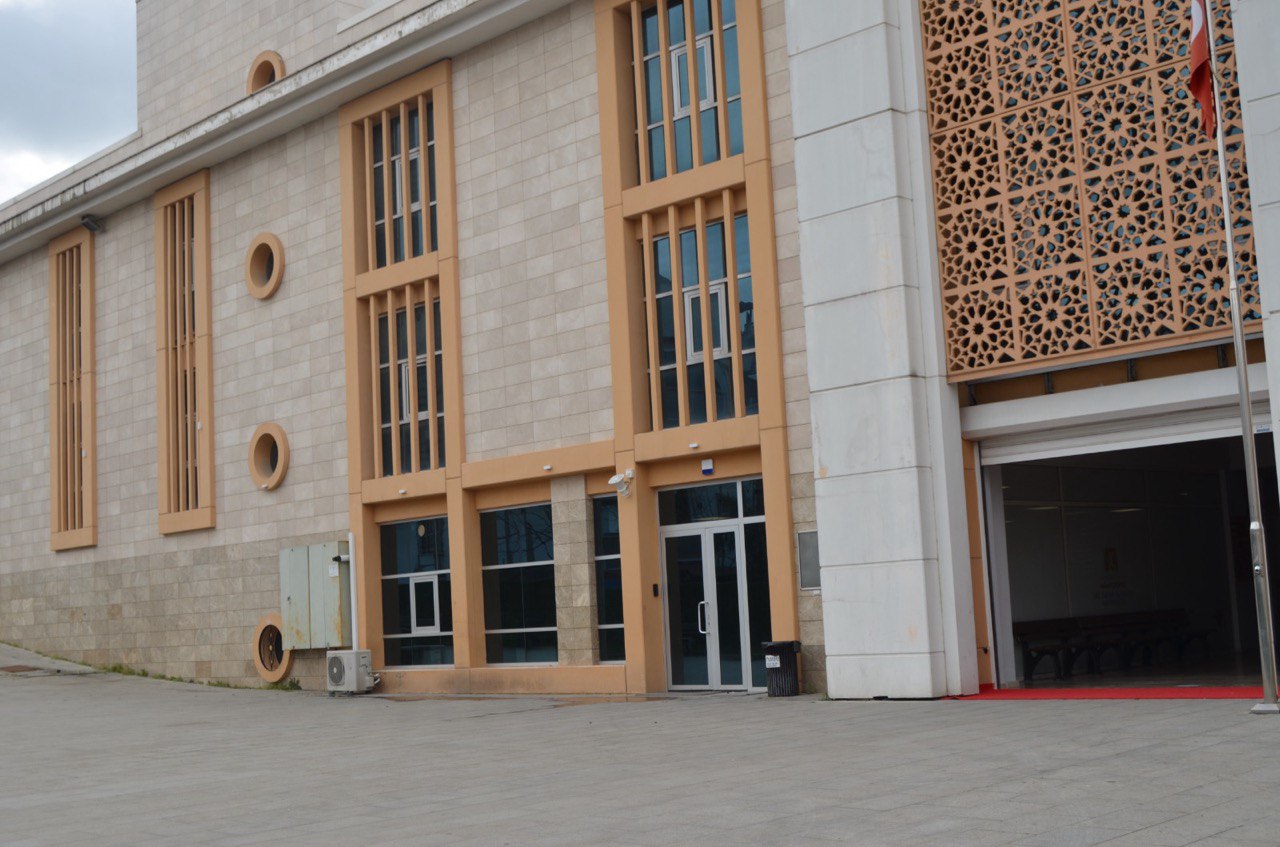
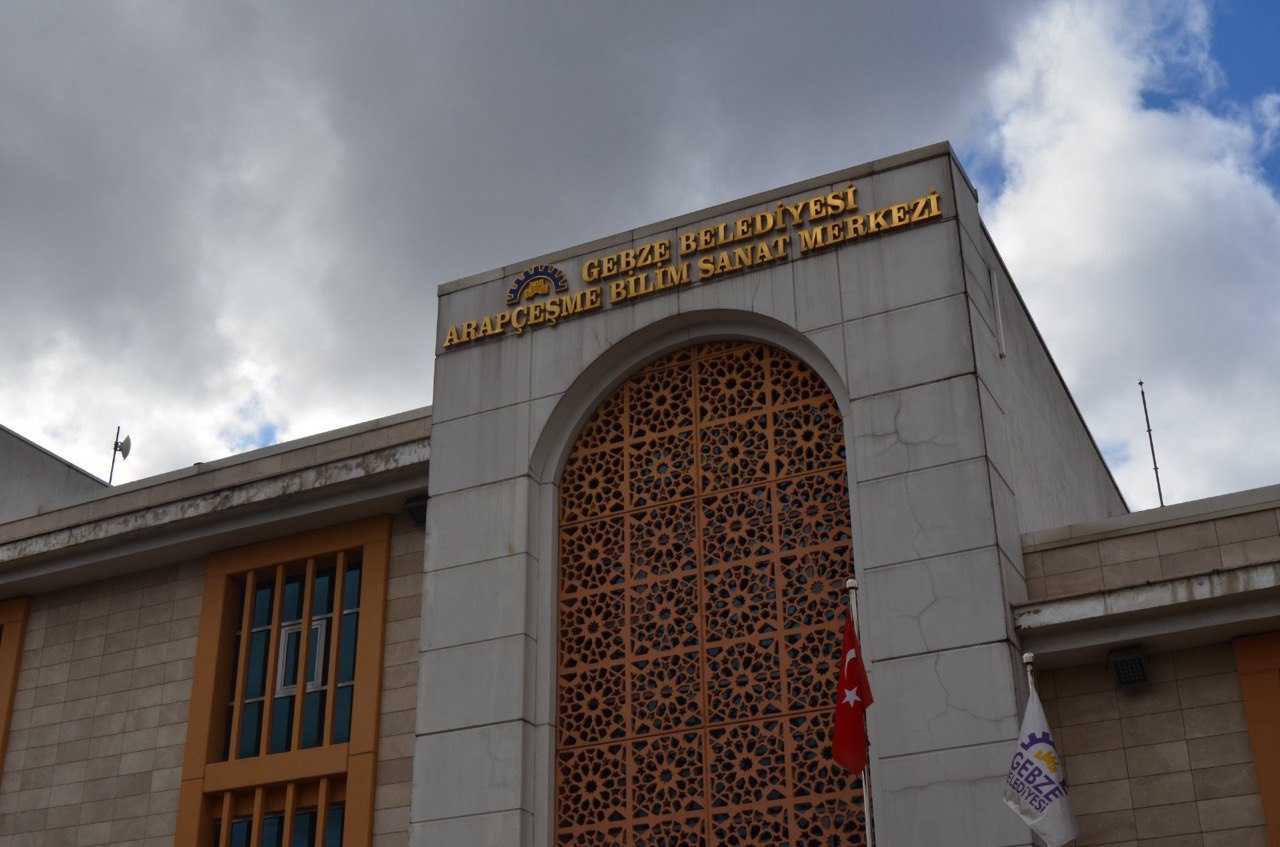
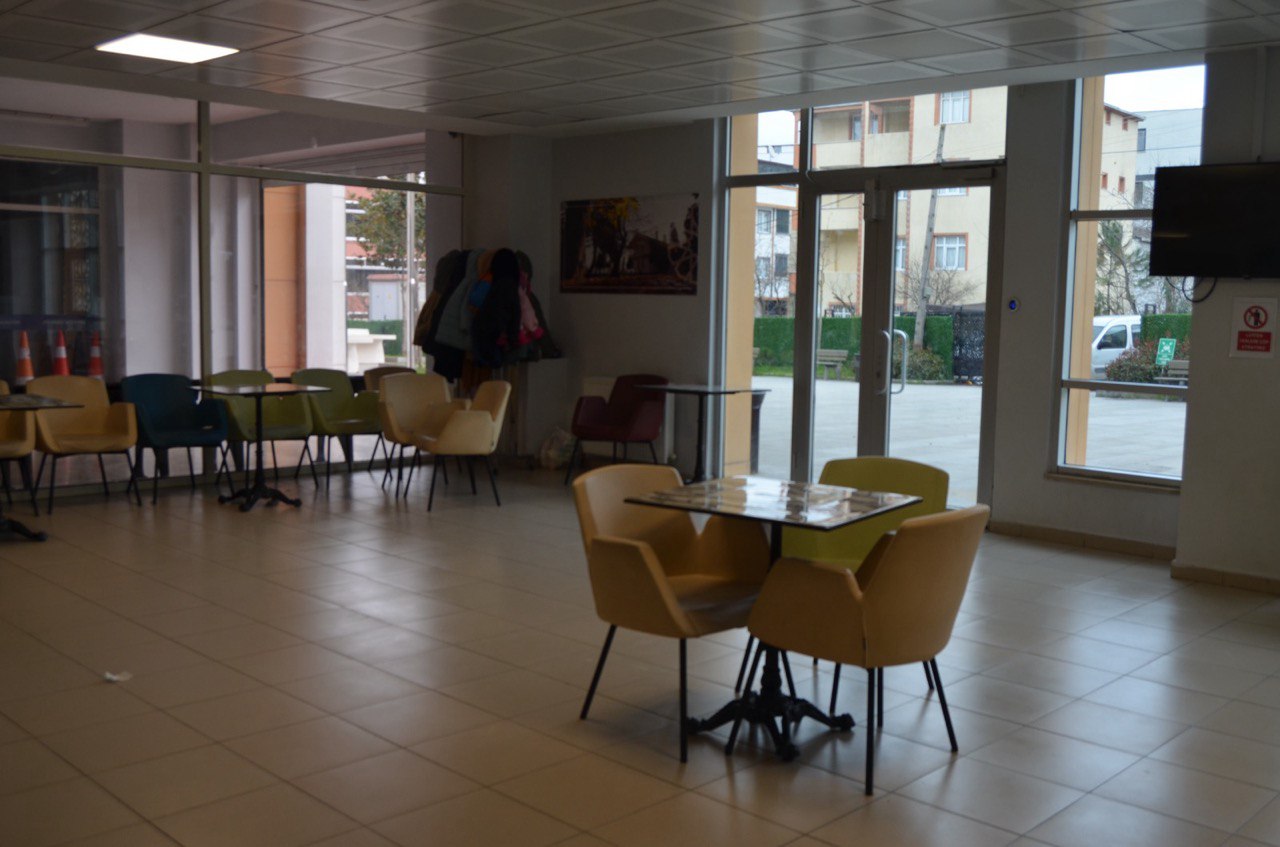
Arapçeşme Bilim ve Sanat Merkezi
Merkezde çocuk ve yetişkinlere yönelik kursları bulunmaktadır Jimnastik, masa tenisi, satranç, okçuluk zeka oyunları, bağlama, resim ve ebru sanatı bunlardan birkaçıdır. Yetişkin branşları; ofis programları, İngilizce, iğne oyası, el nakışı, mefruşat, dikiş, takı tasarım ve step aerobiktir. Destek Eğitim Dersleri: İngilizce, Matematik, Fen Bilimleri, Türkçe. Ayrıca haftanın belirli günlerinde çocuk pedagogu da görev yapmaktadır.
Konum
Adres: Arapçeşme Mahallesi, Gebze, Kocaeli, Marmara Bölgesi, 41400, Türkiye
Ziyaret Gün ve Saatleri
Aşağıda belirtilen gün ve saatler arasında ziyarete açıktır.
Erişilebilirlik Özellikleri
Engelsiz erişim imkânlarının ve rehber hizmetlerinin bulunup bulunmadığı bilgisine yer verilmiştir.
- Engelsiz Erişim
- Rehberlik Hizmeti
Ziyaret Notları
Ücretsizdir. Randevu alınarak gidilmesi gerekmektedir. Araç park yeri mevcuttur. Görevlilerin talimatlarına uyulması gerekmektedir. Atölye ve sınıflarda bulunan ekipman ve malzemeler dikkatli kullanılmalıdır. Civarında yeme-içme hizmeti veren mekanlar mevcuttur.
İletişim Bilgileri
Öğrenme Çıktıları
- FAB.1. Günlük yaşamında fene yönelik olaylara/olgulara ve durumlara yönelik bilimsel gözlem yapabilme
- MAT.1.3.1. Hedefe ulaşmak için mesafeleri ve yönleri içeren yönergeleri çözümleyebilme
- MAT.1.3.2. Nesnelerin eşliğini değerlendirebilme
- MAT.1.1.2. Ögeleri dağınık veya düzenli bir şekilde bulunan bir nesne grubunu sayarken parçalar arasında ilişkileri çözümleyebilme
- MAT. 1.3.4. Günlük yaşamda karşılaşılan geometrik yapılardaki geometrik şekilleri çözümleyebilme
- T.O.1.4. Okuma sürecine etki eden durumları gözden geçirebilme
- T.O.1.5. Okuma sürecini değerlendirebilme
- T.Y.1.1. Yazılı anlatım becerilerini yönetebilme
- T.D.1.2. Dinledikleri/izledikleri ile ilgili anlam oluşturabilme
- T.K.1.2. Konuşmalarında içerik oluşturabilme
- T.D.1.3. Dinlediklerini/izlediklerini çözümleyebilme
- T.Y.1.2. Yazılarında içerik oluşturabilme
- HB.1.6.1. Bilimle ilgili merak ettiklerini sorabilme
- BEO.1.4.1. Fiziksel aktivite ve sağlık ilişkisini fark edebilme
- MÜZ.1.1.7. Müzik eserlerine bedensel hareketlerle eşlik edebilme
- T.Y.2.1. Yazılı anlatım becerilerini yönetebilme
- MAT3.2. Analog saatler üzerinde gösterilen zamanı (tam-yarım-çeyrek saat) okuyabilme
- HB.2.4.1. Yakın çevresinde bulunan tarihî mekân ve doğal güzellikleri belirleyebilme
- BEO.2.4.3. Fiziksel aktiviteye katılım hedefleri belirleyebilme
- MÜZ.2.2.4. Belirli gün ve haftalarla ilgili eserleri söyleyebilme
- ENG.2.1.L2. Pupils can bring information about the current content on “greetings and introductions at school; people and places at school; days of the week; national days and celebrations” together with key details and main components while listening/watching it.
- GS.2.6.1. Doğa ve vatan sevgisini ilişkilendirerek sanatsal üretim yapabilme
- GS.2.1.1. Çevresindeki nesnelerin ana renklerini, ara renklerini ve doğadaki tekrarlarını algılayabilme
- GS.2.1.2. Renk ve biçim ilişkisini kurarak insan ve çevre bağlamındaki düşüncelerine yönelik sanatsal üretim yapabilme
- GS.2.2.1. Türk devletlerinin bayraklarındaki görsel mesajları okuyabilme
- GS.2.2.2. Millî kültüre ait motiflerle birim ve biçim ilişkisi kurarak sanatsal üretim yapabilme
- GS.2.3.1. Çağdaş Türk resim sanatında natürmort temalı eserleri inceleyebilme
- GS.2.3.2. Ana renkler, ara renkler ve biçim zıtlıklarıyla natürmort yapabilme
- GS.2.4.1. Farklı çizgi türlerini kullanarak doğa peyzajı yapabilme
- GS.2.5.1. Ana, ara renkleri ve farklı çizgi türlerini kullanarak kent peyzajı yapabilme
- GS.2.7.1. Oyuncak müzesi koleksiyonunu sınıflandırabilme
- GS.2.7.2. Okulunda oyuncak müzesi yapabilme
- GS.3.7.2. Okulunda bilim ve teknoloji müzesi yapabilme
- GS.3.7.1. Geçmiş ve günümüz teknolojilerini estetik ve işlevsel açıdan karşılaştırabilme
- GS.3.1.1. Doğadaki ve sanat eserlerindeki sıcak ve soğuk renk uyumlarını algılayabilme
- GS.3.1.2. Sıcak veya soğuk renk uyumunu kullanarak Türkiye’deki tarihî mekânlara ve doğal güzelliklere ilişkin izlenimlerini yansıtan resim yapabilme
- GS.3.2.1. Anadolu halk kültüründeki sembol ve karakterlerin görsel mesajlarını okuyabilme
- GS.3.2.2. Anadolu halk kültüründeki sembolleri ve karakterleri kullanarak mozaik çalışması yapabilme
- GS.3.3.1. Çağdaş Türk resim sanatındaki figüratif resimleri inceleyebilme
- GS.3.3.2. Günlük yaşam sahnelerini yansıtan figüratif resim yapabilme
- GS.3.4.1. Hikâyeden hareketle imgesel çizim yapabilme
- GS.3.5.1. Zıt renkleri kullanarak imgesel resim yapabilme
- GS.3.6.1. Cumhuriyet’in ilk yıllarında görsel sanatlara verilen önemi yansıtan sanatsal üretim yapabilme
- MÜZ.3.1.4. Belirli gün ve haftalarla ilgili eserleri söyleyebilme
- ENG.3.3.L3. Pupils can make meaning of/derive meaning from the current content on “personal life with parts of the body and physical features; personal characters; weather conditions; clothing according to seasons and weather conditions; preferences for clothing” through details by listening/watching it carefully.
- BEO.3.5.2. Farklı çevre koşullarında fiziksel aktiviteye katılabilme
- T.Y.3.2. Yazılarında içerik oluşturabilme
- MAT.3.4.1. Kategorik ve sayma ile elde edilen nicel veriye dayalı tek veri grubu ile çalışabilme ve veriye dayalı karar verebilme
- FB.3.7.2. Bir bitkinin yetişmesi için gerekenlere ilişkin genelleme yapabilme
- HB.3.4.1. Yakın çevresindeki tarihî mekân ve doğal güzelliklerin korunmasının önemini fark edebilme
- GS.4.1.1. Doğadaki ve sanat eserlerindeki ton dağılımını algılayabilme
- GS.4.1.2. Canlıların korunmasına ilişkin düşüncelerine yönelik sanatsal üretim yapabilme
- GS.4.2.1. Sanat eserlerinde yer alan kültürel ve yerel göstergelerin mesajlarını okuyabilme
- GS.4.2.2. Kültürel ve yerel motiflerle resim yapabilme
- GS.4.3.1. Çağdaş Türk heykel sanatındaki figüratif eserleri inceleyebilme
- GS.4.3.2. Türkiye’ye özgü bitki ve hayvan türlerini yansıtan üç boyutlu figüratif heykel yapabilme
- GS.4.4.1. Açık, orta ve koyu değerlerle desen yapabilme
- GS.4.5.1. Nesnelerdeki kademeli ton geçişlerini yansıtan tek renkli natürmort yapabilme
- GS.4.6.1. Posta pullarındaki sembol ve motiflerden hareketle posta sanatı yapabilme
- GS.4.7.1. Anadolu coğrafyasının etnografik çeşitliliği hakkında genelleme yapabilme
- GS.4.7.2. Okulunda etnografya müzesi yapabilme
- GS.5.1.1. Edebî metinlerden ve yazı düzeninden faydalanarak çevre duyarlılığını yansıtan resimleme yapabilme
- GS.5.2.1. Anadolu Türk kültürüne ait motiflerdeki görsel mesajları okuyabilme
- GS.5.2.2. Anadolu Türk kültürüne ait estetik motiflerle kolaj yapabilme
- GS.5.3.1. Geleneksel minyatürlerle minyatür etkisi taşıyan çağdaş sanat eserlerini karşılaştırmalı olarak inceleyebilme
- GS.5.3.2. Tarihî ve mitolojik konularda minyatür özelliği gösteren sanatsal üretim yapabilme
- GS.5.4.1. Doğal nesnelerin doku özelliklerini yansıtan desen yapabilme
- GS.5.5.1. Doğal ve yapay nesnelerin doku özelliklerini yansıtan iki renkli natürmort yapabilme
- GS.5.6.1. Millî bayramlarla ilgili değerleri geleneksel çocuk oyunlarıyla ilişkilendirerek sanatsal üretim yapabilme
- GS.5.7.1. Sergileme mekânlarına göre müzeleri karşılaştırabilme
- GS.5.7.2. Okulunda arkeoloji müzesi yapabilme
- MAT.6.1.1. Karşılaştığı problem durumlarında bir doğal sayının çarpan ve katlarına yönelik muhakeme yapabilme
- MAT.6.1.2. Bir doğal sayının 2, 3, 4, 5, 6, 9 ve 10 ile tam bölünebilme kriterlerine ilişkin çıkarım yapabilme
- MAT.6.1.3. Bir doğal sayının asal olma durumunu ve asal çarpanlarını çözümleyebilme
- MAT.6.1.4. Günlük hayat problemleri ya da matematiksel durumlar üzerinden ortak kat ve ortak böleni yorumlayabilme
- MAT.6.1.5. Gerçek yaşam durumlarında ondalık gösterimlerin basamak değerlerini kesirlerden yararlanarak yorumlayabilme
- MAT.6.1.6. Kesir ve bölme işlemi arasındaki ilişkiye yönelik tümevarımsal akıl yürütebilme
- MAT.6.1.7. Karşılaştığı günlük hayat ya da matematiksel durumlarda standart uzunluk ölçme birimlerini değerlendirebilme
- MAT.6.1.8. Gerçek yaşam durumlarında karşılaşılan kesir, ondalık ve yüzde gösterimleri ile ilgili dört işlem gerektiren problemleri çözebilme
- MAT.6.2.1. Gerçek yaşam durumlarında bilinen niceliklerden bilinmeyen niceliklere ilişkin muhakeme yapabilme
- MAT.6.2.2. Sayı ve şekil örüntülerini yorumlayabilme
- MAT.6.2.3. Cebirsel ifadeler içeren durumlardaki algoritmaları yorumlayabilme
- MAT.6.3.1. Düzlemde iki paralel doğru ve bir kesen ile oluşan açıları sınıflandırabilme
- MAT.6.3.2. Matematiksel araç ve teknolojiden yararlanarak iki paralel doğrunun iki kesenle oluşturduğu şekillerin özelliklerine dair çıkarım yapabilme
- MAT.6.3.3. Matematiksel araç ve teknolojiden yararlanarak birbirlerini ortalayan doğru parçalarını köşegen kabul eden dörtgenlere yönelik çıkarım yapabilme
- MAT.6.3.4. Üçgen, yamuk, paralelkenar, eşkenar dörtgen, dikdörtgen ve karenin açıları ile ilgili problemleri çözebilme
- MAT.6.4.1. Uzunluk ve alan ölçme birimleri arasındaki ilişkilerle ilgili analojik akıl yürütebilme
- MAT.6.4.2. Dikdörtgenin alan bağıntısına yönelik deneyimlerini paralelkenar ve üçgenin alan bağıntılarına yansıtabilme
- MAT.6.4.3. Geometrik şekillerin alanları ile modellenen gerçek yaşam durumlarına yönelik problem çözebilme
- MAT.6.4.4. Çemberin uzunluğu ile çap uzunluğu arasındaki ilişkiye yönelik çıkarım yapabilme
- MAT.6.5.1. Kategorik veya nicel (kesikli) veri ile çalışabilme ve veriye dayalı karar verebilme
- MAT.6.5.2. Başkaları tarafından oluşturulan kategorik veya nicel (kesikli) veriye dayalı istatistiksel sonuç veya yorumları tartışabilme
- MAT.6.6.1. Bir olayın olasılığını gözleme dayalı tahmin edebilme
- ENG.6.1.L1. Students can get ready for the listening/watching-comprehension process for the current content on “school life with roles, and responsibilities at school; school routines; national days and celebrations” carefully.
- ENG.6.1.L2. Students can bring information about the current content on “school life with roles, and responsibilities at school; school routines; national days and celebrations” together through significant details and main components while listening/watching it.
- ENG.6.1.L3. Students can make meaning of/derive meaning from the current content on “school life with roles, and responsibilities at school; school routines; national days and celebrations” through significant details by listening/watching it carefully.
- ENG.6.2.L1. Students can get ready for the listening/watching-comprehension process for the current content on “classroom life with daily and study routines; learning activities in the classroom; cardinal numbers 100-500; ordinal numbers 1-50” carefully.
- ENG.6.2.L2. Students can bring information about the current content on “classroom life with daily and study routines; learning activities in the classroom; cardinal numbers 100-500; ordinal numbers 1-50” together through significant details and main components while listening/ watching it.
- ENG.6.2.L3. Students can make meaning of/derive meaning from the current content on “classroom life with daily and study routines; learning activities in the classroom; cardinal numbers 100-500; ordinal numbers 1-50” through significant details by listening/watching it carefully.
- ENG.6.2.S6. Students can convey their knowledge, experiences, thoughts, and feelings related to the speaking-expression process about the current content, “classroom life with daily and study routines; learning activities in the classroom; cardinal numbers 100-500; ordinal numbers 1-50” to communicate with other people in relation to themselves or others, both individually and/or with others.
- ENG.6.2.S5. Students can reorganise (reconstruct) and use information about the “classroom life with daily and study routines; learning activities in the classroom; cardinal numbers 100-500; ordinal numbers 1-50” to communicate with other people.
- ENG.6.2.R4. Students can convey their knowledge, experiences, thoughts, and feelings related to the reading-comprehension process about the current content, “classroom life with daily and study routines; learning activities in the classroom; cardinal numbers 100-500; ordinal numbers 1-50” in relation to themselves or others, both individually and/or with others.
- ENG.6.2.W3. . Students can organise a content for the assigned writing task on the current content “classroom life with daily and study routines; learning activities in the classroom; cardinal numbers 100-500; ordinal numbers 1-50” based on the model/example provided.
- ENG.6.2.W2. Students can understand the model/example for the writing task about the current content on “classroom life with daily and study routines; learning activities in the classroom; cardinal numbers 100-500; ordinal numbers 1-50”.
- ENG.6.2.W1. Students can get ready for the writing-expression process about the current content on “classroom life with daily and study routines; learning activities in the classroom; cardinal numbers 100-500; ordinal numbers 1-50”.
- ENG.6.3.L1. Students can get ready for the listening/watching-comprehension process for the current content on “personal life with body parts, physical appearance and clothes; personality and character” carefully.
- ENG.6.3.L2. Students can bring information about the current content on “personal life with body parts, physical appearance and clothes; personality and character” together through significant details and main components while listening/watching it.
- ENG.6.3.L3. Students can make meaning of/derive meaning from the current content on “personal life with body parts, physical appearance and clothes; personality and character” through significant details by listening/watching it carefully.
- ENG.6.3.L4. Students can convey their knowledge, experience, thoughts, and feelings examined carefully about the whole listening/watching-comprehension process in relation to the current content on “personal life with body parts, physical appearance and clothes; personality and character”.
- ENG.6.3.R1. Students can get ready for the reading-comprehension process about the current content on “personal life with body parts, physical appearance and clothes; personality and character”.
- ENG.6.3.W3. Students can organise a content for the assigned writing task on the current content “personal life with body parts, physical appearance and clothes; personality and character” based on the model/example provided.
- ENG.6.3.W2. Students can understand the model/example for the writing task about the current content on “personal life with body parts, physical appearance and clothes; personality and character”.
- ENG.6.4.L1. Students can get ready for the listening/watching-comprehension process for the current content on “family life with family members’ jobs, working places, and job routines; different types of family homes and houses” carefully.
- ENG.6.4.L2. Students can bring information about the current content on “family life with family members’ jobs, working places, and job routines; different types of family homes and houses” together through significant details and main components while listening/watching it.
- ENG.6.4.L3. Students can make meaning of/derive meaning from the current content on “family life with family members’ jobs, working places, and job routines; different types of family homes and houses” through significant details by listening/watching it carefully.
- ENG.6.4.L4. Students can convey their knowledge, experience, thoughts, and feelings examined carefully about the whole listening/watching-comprehension process in relation to the current content on “family life with family members’ jobs, working places, and job routines; different types of family homes and houses”.
- ENG.6.4.W3. Students can organise a content for the assigned writing task on the current content “family life with family members’ jobs, working places, and job routines; different types of family homes and houses” based on the model/example provided.
- ENG.6.4.W5. Students can reorganise (reconstruct) and use information in the new written tasks about the “family life with family members’ jobs, working places, and job routines; different types of family homes and houses” to communicate with other people.
- ENG.6.4.S6. Students can convey their knowledge, experiences, thoughts, and feelings related to the speaking-expression process about the current content, “family life with family members’ jobs, working places, and job routines; different types of family homes and houses” to communicate with other people in relation to themselves or others, both individually and/or with others.
- ENG.6.4.S5. Students can reorganise (reconstruct) and use information about the “family life with family members’ jobs, working places, and job routines; different types of family homes and houses” to communicate with other people.
- ENG.6.4.S4. Students can construct a new verbal content on “family life with family members’ jobs, working places, and job routines; different types of family homes and houses” by speaking accurately, efficiently, and authentically.
- ENG.6.4.S3. Students can organise a new verbal content on “family life with family members’ jobs, working places, and job routines; different types of family homes and houses” by speaking accurately, efficiently, and authentically.
- ENG.6.4.S2. Students can use the model/example for producing verbal content about the current content on “family life with family members’ jobs, working places, and job routines; different types of family homes and houses”.
- ENG.6.4.G1. Students can select and use the target grammatical elements of the current content about “family life with family members’ jobs, working places, and job routines; different types of family homes and houses” accurately, authentically, spontaneously, and naturally and use it appropriately and effectively when communicating with others.
- ENG.6.4.V1. Students can select and use the target vocabulary of the current content about “family life with family members’ jobs, working places, and job routines; different types of family homes and houses” accurately, authentically, spontaneously, and naturally and use it appropriately and effectively when communicating with others.
- ENG.6.5.L1. Students can get ready for the listening/watching-comprehension process for the current content on “life in the neighbourhood and the city with festivals and events (sports, music, arts) in the neighbourhood and city; transportation in the neighbourhood and the city” carefully.
- ENG.6.5.L2. Students can bring information about the current content on “life in the neighbourhood and the city with festivals and events (sports, music, arts) in the neighbourhood and city; transportation in the neighbourhood and the city” together through significant details and main components while listening/watching it.
- ENG.6.5.L3. Students can make meaning of/derive meaning from the current content on “life in the neighbourhood and the city with festivals and events (sports, music, arts) in the neighbourhood and city; transportation in the neighbourhood and the city” through significant details by listening/watching it carefully.
- ENG.6.5.L4. Students can convey their knowledge, experience, thoughts, and feelings examined carefully about the whole listening/watching-comprehension process in relation to the current content on “life in the neighbourhood and the city with festivals and events (sports, music, arts) in the neighbourhood and city; transportation in the neighbourhood and the city”.
- ENG.6.5.P1. Students can select and use the target phonological elements of the current content about “life in the neighbourhood and the city with festivals and events (sports, music, arts) in the neighbourhood and city; transportation in the neighbourhood and the city” accurately, authentically, and naturally through spontaneous decision-making processes and use it in an appropriate and effective way when communicating with others.
- ENG.6.5.R4. Students can convey their knowledge, experiences, thoughts, and feelings related to the reading-comprehension process about the current content, “life in the neighbourhood and the city with festivals and events (sports, music, arts) in the neighbourhood and city; transportation in the neighbourhood and the city” in relation to themselves or others, both individually and/or with others.
- ENG.6.5.S6. Students can convey their knowledge, experiences, thoughts, and feelings related to the speaking-expression process about the current content, “life in the neighbourhood and the city with festivals and events (sports, music, arts) in the neighbourhood and city; transportation in the neighbourhood and the city” to communicate with other people in relation to themselves or others, both individually and/or with others.
- ENG.6.6.L1. Students can get ready for the listening/watching-comprehension process for the current content on “life in the world and culture with countries, nationalities, and languages in the world; food types and events from different parts of the world” carefully.
- ENG.6.6.L2. Students can bring information about the current content on “life in the world and culture with countries, nationalities, and languages in the world; food types and events from different parts of the world” together through significant details and main components while listening/ watching it.
- ENG.6.6.L3. Students can make meaning of/derive meaning from the current content on “life in the world and culture with countries, nationalities, and languages in the world; food types and events from different parts of the world” through significant details by listening/watching it carefully.
- ENG.6.6.L4. Students can convey their knowledge, experience, thoughts, and feelings examined carefully about the whole listening/watching-comprehension process in relation to the current content on “life in the world and culture with countries, nationalities, and languages in the world; food types and events from different parts of the world”.
- ENG.6.6.P1. Students can select and use the target phonological elements of the current content about “life in the world and culture with countries, nationalities, and languages in the world; food types and events from different parts of the world” accurately, authentically, and naturally through spontaneous decision-making processes and use it in an appropriate and effective way when communicating with others.
- ENG.6.6.R1. Students can get ready for the reading-comprehension process about the current content on “life in the world and culture with countries, nationalities, and languages in the world; food types and events from different parts of the world”
- ENG.6.6.S6. Students can convey their knowledge, experiences, thoughts, and feelings related to the speaking-expression process about the current content, “life in the world and culture with countries, nationalities, and languages in the world; food types and events from different parts of the world” to communicate with other people in relation to themselves or others, both individually and/or with others.
- ENG.6.6.S5. Students can reorganise (reconstruct) and use information about the “life in the world and culture with countries, nationalities, and languages in the world; food types and events from different parts of the world” to communicate with other people.
- ENG.6.6.S4. Students can construct a new verbal content on “life in the world and culture with countries, nationalities, and languages in the world; food types and events from different parts of the world” by speaking accurately, efficiently, and authentically.
- ENG.6.6.S3. Students can organise a new verbal content on “life in the world and culture with countries, nationalities, and languages in the world; food types and events from different parts of the world” by speaking accurately, efficiently, and authentically.
- ENG.6.6.S2. Students can use the model/example for producing verbal content about the current content on “life in the world and culture with countries, nationalities, and languages in the world; food types and events from different parts of the world”.
- ENG.6.6.S1. Students can get ready for speaking-expression process about the current content on “life in the world and culture with countries, nationalities, and languages in the world; food types and events from different parts of the world”.
- ENG.6.6.R4. Students can convey their knowledge, experiences, thoughts, and feelings related to the reading-comprehension process about the current content, “life in the world and culture with countries, nationalities, and languages in the world; food types and events from different parts of the world” in relation to themselves or others, both individually and/or with others.
- ENG.6.6.R2. Students can bring information about the current content on “life in the world and culture with countries, nationalities, and languages in the world; food types and events from different parts of the world” through skimming (looking quickly at) the audio-visual elements and reading the content very quickly.
- ENG.6.6.R3. Students can make meaning of / derive meaning from the current content about “life in the world and culture with countries, nationalities, and languages in the world; food types and events from different parts of the world” by reading it carefully.
- ENG.6.7.L1. Students can get ready for the listening/watching-comprehension process for the current content on “life in nature and global problems with activities in nature; environmental problems in the world and solutions” carefully.
- ENG.6.7.L2. Students can bring information about the current content on “life in nature and global problems with activities in nature; environmental problems in the world and solutions” together through significant details and main components while listening/watching it.
- ENG.6.7.L3. Students can make meaning of/derive meaning from the current content on “life in nature and global problems with activities in nature; environmental problems in the world and solutions” through significant details by listening/watching it carefully.
- ENG.6.7.L4. Students can convey their knowledge, experience, thoughts, and feelings examined carefully about the whole listening/watching-comprehension process in relation to the current content on “life in nature and global problems with activities in nature; environmental problems in the world and solutions”.
- ENG.6.7.P1. Students can select and use the target phonological elements of the current content about “life in nature and global problems with activities in nature; environmental problems in the world and solutions” accurately, authentically, and naturally through spontaneous decisionmaking processes and use it in an appropriate and effective way when communicating with others.
- ENG.6.7.R3. Students can make meaning of / derive meaning from the current content about “life in nature and global problems with activities in nature; environmental problems in the world and solutions” by reading it carefully.
- ENG.6.7.W4. Students can individually construct/form content for the assigned writing task on the current content “life in nature and global problems with activities in nature; environmental problems in the world and solutions”.
- ENG.6.8.L1. Students can get ready for the listening/watching-comprehension process for the current content on “life in the universe and future with planets and the Earth as a planet; life on Earth in the future” carefully.
- ENG.6.8.L2. Students can bring information about the current content on “life in the universe and future with planets and the Earth as a planet; life on Earth in the future” together through significant details and main components while listening/watching it.
- ENG.6.8.L3. Students can make meaning of/derive meaning from the current content on “life in the universe and future with planets and the Earth as a planet; life on Earth in the future” through significant details by listening/watching it carefully.
- ENG.6.8.L4. Students can convey their knowledge, experience, thoughts, and feelings examined carefully about the whole listening/watching-comprehension process in relation to the current content on “life in the universe and future with planets and the Earth as a planet; life on Earth in the future”.
- ENG.6.8.R2. Students can bring information about the current content on “life in the universe and future with planets and the Earth as a planet; life on Earth in the future” through skimming (looking quickly at) the audio-visual elements and reading the content very quickly.
- ENG.6.8.V1. Students can select and use the target vocabulary of the current content about “life in the universe and future with planets and the Earth as a planet; life on Earth in the future” accurately, authentically, spontaneously, and naturally and use it appropriately and effectively when communicating with others.
- ENG.6.8.W3. Students can organise a content for the assigned writing task on the current content “life in the universe and future with planets and the Earth as a planet; life on Earth in the future” based on the model/example provided.
- ENG.6.8.S6. Students can convey their knowledge, experiences, thoughts, and feelings related to the speaking-expression process about the current content, “life in the universe and future with planets and the Earth as a planet; life on Earth in the future” to communicate with other people in relation to themselves or others, both individually and/or with others.
- ENG.6.8.S5. Students can reorganise (reconstruct) and use information about the “life in the universe and future with planets and the Earth as a planet; life on Earth in the future” to communicate with other people.
- ENG.6.8.S4. Students can construct a new verbal content on “life in the universe and future with planets and the Earth as a planet; life on Earth in the future” by speaking accurately, efficiently, and authentically.
- ENG.6.8.G1. Students can select and use the target grammatical elements of the current content about “life in the universe and future with planets and the Earth as a planet; life on Earth in the future” accurately, authentically, spontaneously, and naturally and use it appropriately and effectively when communicating with others.
- ENG.6.8.R1. Students can get ready for the reading-comprehension process about the current content on “life in the universe and future with planets and the Earth as a planet; life on Earth in the future”.
- MAT.7.1.1. Gerçek yaşam ya da matematiksel durumlarda doğal sayı, tam sayı ve rasyonel sayıları yorumlayabilme
- MAT.7.1.2. Gerçek yaşam durumlarında rasyonel sayıların ondalık gösterimlerini yansıtabilme
- MAT.7.1.3. Rasyonel sayıların sıralama ve karşılaştırma ilişkilerini yorumlayabilme
- MAT.7.1.4. Rasyonel sayılar ve işlemler içeren gerçek yaşam problemlerini çözebilme
- MAT.7.1.5. Gerçek yaşam durumları üzerinden oran ilişkileri hakkında muhakeme yapabilme
- MAT.7.1.6. Gerçek yaşam durumları üzerinden orantılı durumları yorumlayabilme
- MAT.7.1.7. Gerçek yaşam durumları üzerinden doğru orantılı durumlara ilişkin problemleri çözebilme
- MAT.7.2.1. Gerçek yaşam durumları ya da matematiksel durumlar üzerinden cebirsel ifadelerle toplama, çıkarma ve bir rasyonel sayıyla çarpma işlemlerini yorumlayabilme
- MAT.7.2.2. Birinci dereceden bir bilinmeyenli denklem ve birinci dereceden bir bilinmeyenli eşitsizlik içeren gerçek yaşam problemlerini çözebilme
- MAT.7.2.3. Sayılar ve özelliklerini içeren ispatlara ilişkin matematiksel muhakeme yapabilme
- MAT.7.2.4. Temel aritmetik ve cebirsel ifadelerle işlem içeren durumlardaki süreci algoritma ifade yöntemlerini kullanarak yapılandırabilme
- MAT.7.3.1. Şekillerin yansıma dönüşümü altındaki görüntülerinin oluşturulmasına dair çıkarım yapabilme
- MAT.7.3.2. Yansıma dönüşümündeki deneyimlerini orta dikme ve açıortay inşasına yansıtabilme
- MAT.7.4.1. Eş küplerle oluşturulan yapılar ile görünümleri arasındaki ilişkiyi çözümleyebilme
- MAT.7.4.2. Dikdörtgenler prizmasının yüzey alanını yorumlayabilme
- MAT.7.4.3. Dikdörtgenler prizmasının hacmini eş nesneler aracılığıyla yorumlayabilme
- MAT.7.4.4. Dikdörtgenler prizmasının hacim bağıntısını değerlendirebilme
- MAT.7.4.5. Hacim ölçme birimleri arasındaki ilişkileri değerlendirebilme
- MAT.7.4.6. Günlük hayat durumlarında dikdörtgenler prizmaları ile modellenen cisimlerin yüzey alanı ve hacmine yönelik problem çözebilme
- MAT.7.4.7. Dikdörtgenin, paralelkenarın alanına ve çemberin uzunluğuna ilişkin deneyimlerini dairenin alan bağıntısına yansıtabilme
- MAT.7.4.8. Çemberde merkez açı ve gördüğü yay uzunluğu arasındaki ilişkiden yola çıkarak daire ve daire diliminin alanları arasındaki ilişkiye yönelik analojik akıl yürütebilme
- MAT.7.4.9. Eşkenar dörtgen ve yamuğun alan bağıntılarına dair çıkarım yapabilme
- MAT.7.4.10. Günlük hayat durumlarında daire, daire dilimi, eşkenar dörtgen ve yamuğun alanına ilişkin problem çözebilme
- MAT.7.5.1. Matematiksel araç ve teknolojiden yararlanarak üçgende kenarortayı, açıortayı ve yüksekliği çözümleyebilme
- MAT.7.5.2. Orta dikme inşasına yönelik deneyimlerini üçgende kenarortay inşasına yansıtabilme
- MAT.7.6.1. Kategorik veya nicel (sürekli) veri ile çalışabilme ve veriye dayalı karar verebilme
- MAT.7.6.2. Başkaları tarafından oluşturulan kategorik veya nicel (sürekli) veriye dayalı istatistiksel sonuç veya yorumları tartışabilme
- MAT.7.7.1. Bir olayın ve tümleyeninin olasılığına ilişkin tümevarımsal akıl yürütebilme
- MAT.7.7.2. Aynı deneye ait olayların eşit olasılıklı olma durumlarını değerlendirebilme
- MAT.7.7.3. Olayları ayrık olma ve ayrık olmama durumlarına göre sınıflandırabilme
- FB.8.1.1.1. Dünya’nın Güneş etrafındaki hareketi ve eksen eğikliğinin sonuçları ile ilgili bilimsel çıkarım yapabilme
- FB.8.1.2.1. İklim ve hava olaylarını karşılaştırabilme
- FB.8.2.1.1. Basit makineleri sınıflandırabilme
- FB.8.2.1.2. Günlük yaşamda iş kolaylığı sağlayacak bilimsel model oluşturabilme
- FB.8.3.1.1. Nükleotid, gen, DNA ve kromozom kavramları arasındaki ilişkiyi yapılandırabilme
- FB.8.3.1.2. DNA’nın yapısını model üzerinde gözlemleyebilme
- FB.8.3.2.1. Mitoz ve mayoz kavramları arasındaki ilişkiyi karşılaştırabilme
- FB.8.3.3.1. Kalıtımla ilgili kavramları yapılandırabilme
- FB.8.3.3.2. Tek karakter çaprazlamaları ile ilgili problemler sonuçları değerlendirebilme
- FB.8.4.1.1 Sesin oluşumuna yönelik bilimsel çıkarım yapabilme
- FB.8.4.1.2. Sesin yayılabildiği ortamlara yönelik deney yapabilme
- FB.8.4.1.3 Sesin frekansına göre ince veya kalın olarak işitilmesine neden olan ses özellikleri ile ilgili deney yapabilme
- FB.8.4.2.1. Ses ile ilgili değişkenlerin işitmeye etkisi hakkında hipotez oluşturabilme
- FB.8.4.2.2. Farklı maddeler ile etkileşimi sonucunda sesin iletilmesi, yansıması ve soğurulmasına ilişkin bilimsel çıkarım yapabilme
- FB.8.5.1.1. Elementleri periyodik tablo üzerinde metal, ametal, yarımetal ve soy gaz olarak sınıflandırabilme
- FB.8.5.2.1. Fiziksel ve kimyasal değişimler ile ilgili bilimsel gözleme dayalı tahmin edebilme
- FB.8.5.3.1. Kimyasal tepkimelerle ilgili bilimsel çıkarım yapabilme
- FB.8.5.3.2. Kimyasal tepkimelerin günlük yaşamdaki etkilerine yönelik bilgi toplayabilme
- FB.8.5.4.1. Asit ve bazların genel özelliklerini karşılaştırabilme
- FB.8.5.4.2. Maddelerin asit veya baz olduğunu çeşitli ayıraçlar kullanarak bilimsel gözleme dayalı tahmin edebilme
- FB.8.5.4.3. Maddelerin asitlik ve bazlık durumlarına ilişkin “pH” değerlerini kullanarak tümevarımsal akıl yürütebilme
- FB.8.5.4.4. Asit ve bazların çeşitli maddeler üzerindeki etkilerine yönelik deney yapabilme
- FB.8.6.1.1. Ampullerin bağlanma durumunun ampul parlaklığına etkisine yönelik deney yapabilme
- FB.8.6.1.2. Elektrik akımını tanımlayabilme
- FB.8.6.1.3. Bir devre elemanının uçları arasındaki potansiyel farkı (gerilimi) tanımlayabilme
- FB.8.6.1.4. Bir devre elemanının uçları arasındaki gerilim ile üzerinden geçen akım ilişkisine yönelik tümevarımsal akıl yürütebilme
- FB.8.6.1.5. Özgün bir aydınlatma aracı modeli oluşturabilme
- FB.8.6.2.1. Elektrik enerjisinin dönüştüğü enerjileri sınıflandırabilme
- FB.8.6.2.2. Elektrik enerjisinin ısı, ışık, ses veya hareket enerjisine dönüşümüne yönelik bir model oluşturabilme
- FB.8.6.2.3. Elektrik enerjisi üretim santrallerini sınıflandırabilme
- FB.8.6.2.4. Elektrik enerjisi üretim santrallerinin avantaj ve dezavantajlarını tartışabilme
- FB.8.6.2.5. Elektrik enerjisinin bilinçli ve tasarruflu kullanılmasının önemini tartışabilme
- FB.8.7.1.1. Bitkilerde besin üretiminde fotosentezin önemini yapılandırabilme
- FB.8.7.1.2. Fotosentez hızını etkileyen faktörler ile ilgili hipotez oluşturabilme
- FB.8.7.1.3. Canlılarda solunumun önemini yapılandırabilme
- FB.8.7.2.1. Madde döngülerini şema üzerinde bilimsel çıkarım yapabilme
- FB.8.7.2.2. Madde döngülerinin yaşam açısından önemini yapılandırabilme
- FB.8.7.2.3. Küresel iklim değişikliklerinin nedenlerini ve olası sonuçlarını tartışabilme
- FB.8.7.2.4. Ülkemizdeki küresel iklim değişikliğinin sebep olduğu bir probleme yönelik çözüm önerisi sunabilme